‘Ceviche’ Documentary Premieres at the Lima Film Festival
Lima · Film
Key Facts
- Event name 30th Festival Internacional de Cine de Lima PUCP, “Ceviche” documentary premiere.
- First screening Tuesday, August 11, 9:00 p.m., Sala Azul, Centro Cultural PUCP.
- Second screening Saturday, August 15, 7:20 p.m., Sala 5, Cineplanet Alcázar.
- Festival dates August 6–15, 2026, across multiple Lima venues.
- Director Fernando Landavere (Peruvian).
- Section Cine y Gastronomía (Cinema & Gastronomy).
- Ticket price General admission around S/ 15–20 (US$4–5); exact price varies by venue and day.
The dish that defines Peru gets its own big-screen story. For anyone living in Lima, it’s a chance to see why food is never just food here.
It’s identity, economy, and pride, all in one plate.
Are you in Lima this August? Have you ever wondered why ceviche inspires near-religious devotion?
Then the Ceviche documentary Lima Film Festival premiere is your chance to dig in. The film screens twice during the 30th Festival Internacional de Cine de Lima PUCP.
It’s part of a special section that pairs cinema with gastronomy. That’s a fitting combo in a city where both are serious business.
You don’t need to be a foodie or a film buff to enjoy it. You just need to be curious about the culture you’re living in.
What the Documentary Covers
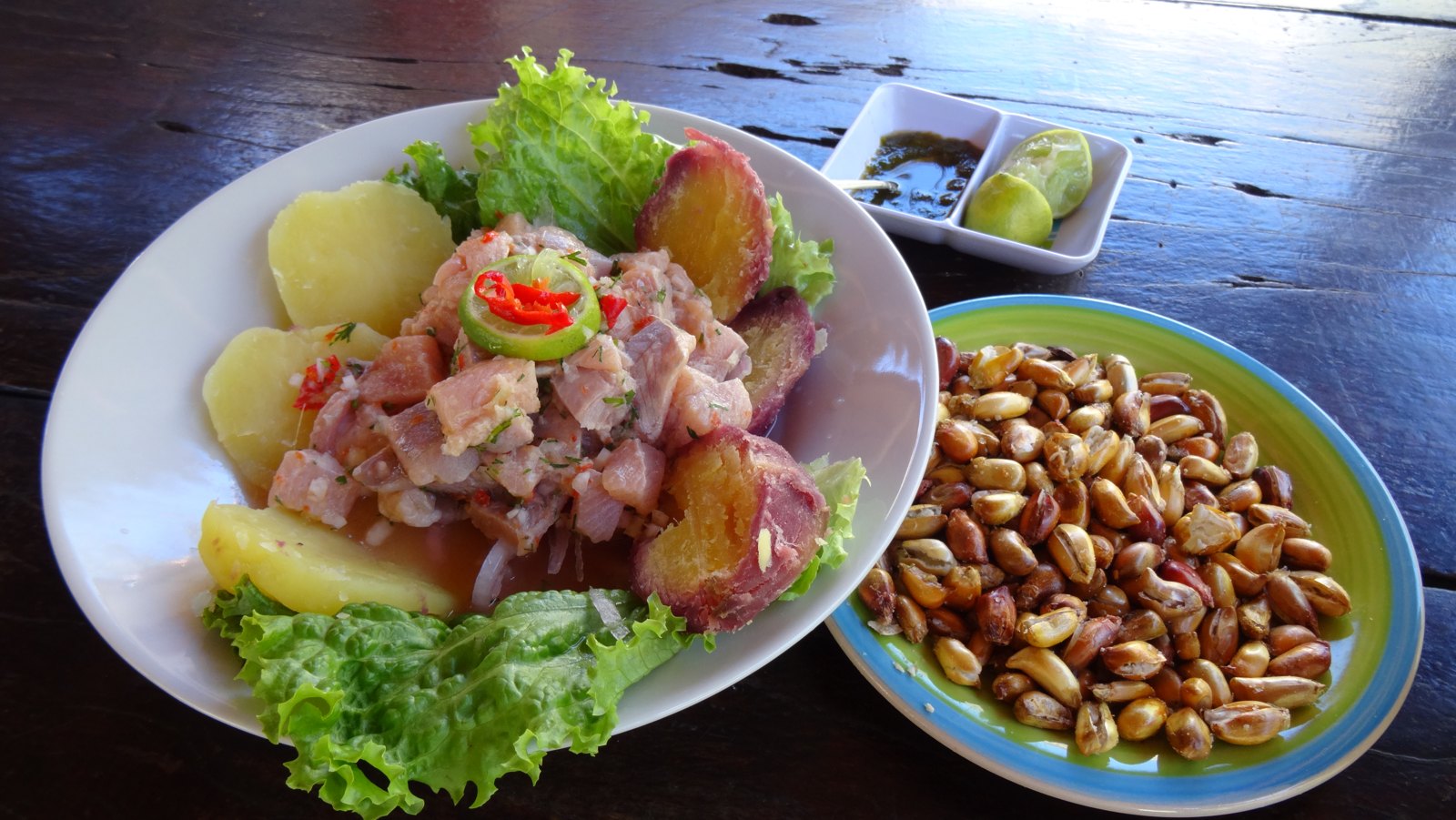
Fernando Landavere directs “Ceviche.” This Peruvian documentary explores the history, craft, and cultural weight of the country’s most famous dish. It’s not a cooking show.
The film looks at how ceviche went from a humble coastal meal to a global symbol of Peruvian identity. It also examines what that journey says about the people who make it, sell it, and eat it every day.
Expect interviews with fishermen, chefs, historians, and home cooks. Expect beautiful shots of the Pacific coast, bustling markets, and lime-soaked counters.
Expect a story that connects the dish to bigger themes. Those themes include migration, tradition, and the economics of food.
Tourism and gastronomy are tightly linked in Peru.
How to Attend and What It Costs
The first screening is on Tuesday, August 11 at 9:00 p.m. It takes place in the Sala Azul. That venue is in the San Miguel district.
The second screening is on Saturday, August 15 at 7:20 p.m. It’s in Sala 5 at Cineplanet Alcázar, near the historic center. Both are easy to reach by taxi or app-based rides.
The venues are well-known to locals.
Tickets for festival screenings generally run between S/ 15 and S/ 20 (US$4–5). Some special events may cost a bit more.
You can buy tickets at the venue box office. You can also buy them through the festival’s official channels.
It’s a premiere, and the section is niche but popular. So, arrive early or book ahead if possible.
The festival runs from August 6 to 15. You can catch other films in the Cine y Gastronomía lineup if you want to make a day of it.
Why This Matters for Expats and Nomads in Lima
Living in Latin America means learning that food is never just fuel. It’s memory, family, and status.
It’s also a major economic driver. Peru has spent years building a global reputation as a culinary destination.
Ceviche is at the center of that story. For expats and digital nomads, understanding that story helps you connect with locals on a deeper level.
It also makes your next trip to the market or the cevichería a richer experience.
This documentary matters because it’s a local production. It’s shown at a local festival, not as a Netflix export.
Supporting events like this is a way to engage with the city beyond the coworking space and the tourist trail. You’ll see how Peruvians talk to each other about their own culture.
That’s different from how it’s presented to outsiders. Honestly, it’s a good conversation starter.
You can chat with your barista, your landlord, or the guy who serves your lunch.
Practical Tips for the Festival
Have you never been to the Lima Film Festival? Here’s the quick version.
It’s a major event in the Latin American film calendar. It draws directors, critics, and audiences from across the region.
The atmosphere is relaxed but serious. You’ll see students, families, and older cinephiles all mixing together.
English is not widely spoken at screenings. But “Ceviche” is a documentary with visual storytelling.
It works even if your Spanish is still a work in progress.
Bring a light jacket. Lima in August is cool and gray, especially in the evenings.
The Sala Azul is a classic theater with decent seating. Cineplanet is a modern multiplex.
Both have concessions. If you want to keep the theme going, grab a ceviche before or after the screening.
There are plenty of spots near both venues. You’ll have plenty to talk about once the credits roll.
Frequently Asked Questions
Is the documentary in Spanish with subtitles?
Most likely yes, as it’s a Peruvian production at a local festival. Subtitles are usually in Spanish.
English subtitles are not guaranteed. Be prepared for that if your Spanish is limited.
Can I buy tickets online?
Yes, the festival typically sells tickets through its official website. You can also buy them at venue box offices.
Prices are around S/ 15–20 (US$4–5) per screening. Check the festival’s schedule for exact availability.
Is the Cine y Gastronomía section worth watching beyond this film?
If you’re interested in food culture, yes. The section usually includes other documentaries and features.
They explore the relationship between cooking, identity, and place. It’s a small lineup.
You can easily watch everything in a day or two.
Connected Coverage
Sources: Cinencuentro, El Comercio, Festival de Cine de Lima PUCP
This article was produced by The Rio Times’ automated newsroom system. How we use AI · Report an error
Read More from The Rio Times