Brazil’s Sugar Production Dips Amidst Seasonal Struggles
In early July, Brazil’s central-south sugar production fell 9.7%, with cane grinding down 11% to 43.17 million tons. Unseasonal rains disrupted key harvesting areas, Unica reports.
Brazil, often a global leader in sugar, faced this output decline as global markets were especially volatile.
Prior to this news, sugar futures had surged nearly 4%, trading at 18.66 cents per pound. Such market shifts underscore the deep connection between farming conditions and global commodity fluctuations.
Luciano Rodrigues of Unica blamed “light rains” in Paraná, Mato Grosso do Sul, and São Paulo’s major areas.
These conditions notably slowed sugarcane processing. However, sugarcane quality improved slightly, with Total Recoverable Sugars (ATR) up by 1.85% to 143.27 kg per ton.
Despite these setbacks, sugar production since April 1 rose by 10.37% to 17.14 million tons.
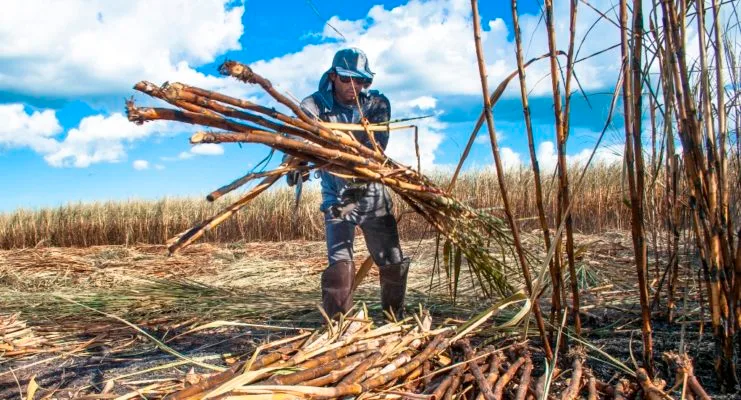
This aligns with an 8.7% increase in overall cane grinding this season. Yet, sugar allocation from cane was slightly under market forecasts at 48.92%.
The season also brought mixed results in ethanol production. While total ethanol output rose by 9.73% to 13.14 billion liters, anhydrous ethanol production dropped by 13.39%.
These shifts are crucial not only for Brazil but for global markets, influencing both commodity prices and biofuel strategies.
Brazil’s agricultural challenges highlight the fragility of global supply chains to weather disruptions, emphasizing the far-reaching impact of climate variations on economic stability worldwide.
More: Brazil news in English, every day from The Rio Times.
This article was produced by The Rio Times’ automated newsroom system. How we use AI · Report an error
Read More from The Rio Times