Brazil’s Senior Count to Double by 2050: How Ready Are We?
By 2050, experts predict that Brazil’s population of people aged 60 and above will double from its current 30 million.
In 2003, Brazil passed the Elderly Person Statute. It offers various protections for seniors, like priority service in public offices.
Additionally, the law grants free public transit to those over 65. It also ensures minimum income for seniors without pensions.
Senator Paulo Paim initiated this important law. He said a man from Rio inspired the initiative. Now, both public and private sectors recognize senior rights.
However, housing remains a challenge. In São Paulo, activists established a unique housing project called “Vila do Idoso.”
One of the activists, Olga Quiroga, highlighted the urgent need for senior housing. Yet, Cida, a 78-year-old resident, notes that many seniors don’t claim their rights.
Furthermore, Marília Berzins emphasizes that basic needs are often unmet in remote areas.
In the first half of this year, Brazil saw over 65,000 cases of family-based violence against seniors. So, the country must address this pressing issue as well.
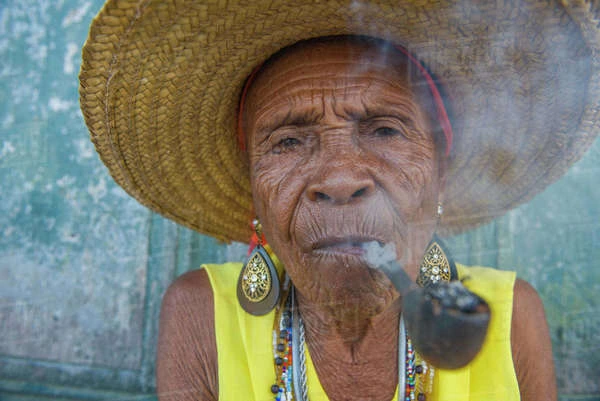
Looking ahead, AI predicts a significant rise in Brazil’s senior population. This calls for urgent planning and action.
Preparing for the future is crucial, as family violence against the elderly is still a grave issue.
In conclusion, while the 2003 law was a step forward, much work remains. Housing, income, and healthcare need attention.
Also, educating both young and old about senior rights is essential.
With an aging population, Brazil can’t afford to delay improving its senior care policies and infrastructure.
Background Aging Brazil
Brazil’s rising senior population is not unique; it’s a global trend. Yet, Brazil’s rapidly aging populace poses unique challenges due to its diverse economic conditions.
Investment in senior care, beyond just laws, is crucial.
In fact, the World Health Organization WHO suggests that early planning for an aging population is vital for any country.
Moreover, the private sector has a role to play. Companies could develop services and products aimed at the elderly.
Innovations in healthcare tech, for example, could improve seniors’ quality of life.
To sum up, Brazil’s rising number of seniors should be seen as a challenge and an opportunity for societal growth and development.
More: Brazil news in English, every day from The Rio Times.
This article was produced by The Rio Times’ automated newsroom system. How we use AI · Report an error
Read More from The Rio Times