Brazil’s Guarulhos Airport Operator Stalls Debt Payments, Enters Court Protection
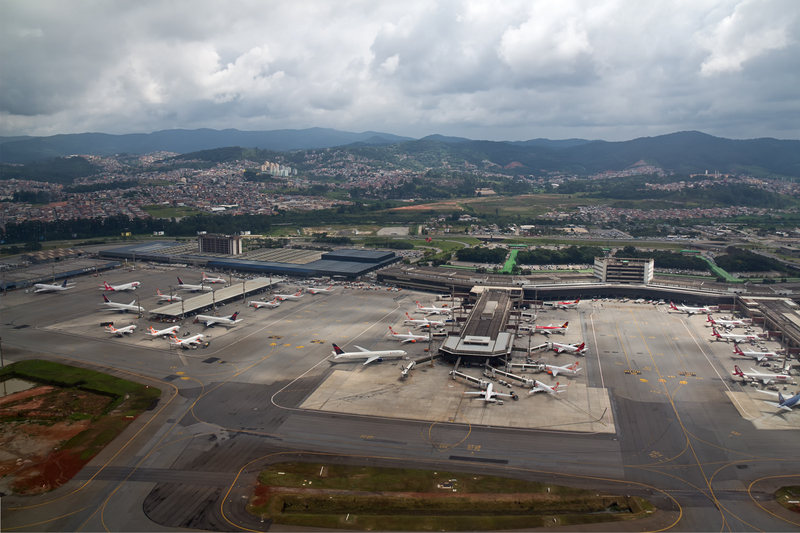
Brazilian infrastructure group Invepar, which operates São Paulo’s Guarulhos International Airport, now stands at the center of a high-stakes financial crisis.
According to official filings and ratings agency reports, the company faces a default after failing to meet debt obligations totaling R$676.7 million.
On May 16, 2025, a Rio de Janeiro court granted Invepar a 30-day protection from creditors, marking a critical point in the company’s struggle to avoid collapse. Invepar’s troubles began years ago with heavy borrowing to finance infrastructure projects.
In 2017, the company issued over $500 million in private debentures, with Mubadala Capital—Abu Dhabi’s sovereign wealth fund—subscribing to $260 million and Brazil’s largest pension funds, Previ, Funcef, and Petros, holding the rest.
The bonds, originally due in a year, have been renegotiated seven times. As of late 2024, Invepar’s gross debt reached R$3.3 billion, up 4.7% from the previous year, while net debt dropped to R$478.4 million due to asset sales and a rise in cash holdings.
Invepar Default Triggers Debt Crisis
Despite these efforts, Invepar defaulted on payments after missing contractual obligations tied to asset sales and revenue transfers. The company failed to allocate R$30 million from the sale of its stake in VLT Carioca.
It also stopped passing on R$5 million in monthly dividends from its Linha Amarela expressway concession. These breaches triggered creditors, led by Mubadala, to accelerate the debt’s maturity, effectively demanding immediate repayment.
Negotiations broke down when Invepar proposed a six-month debt payment freeze, which Mubadala rejected. The company’s cash position, about R$100 million at the end of 2024, proved insufficient against looming obligations.
Ratings agencies responded by downgrading Invepar to “D” for default, citing the company’s inability to meet its financial commitments. The crisis puts Brazil’s largest airport at risk, though Guarulhos itself remains outside the immediate restructuring.
Pension funds, which back millions of Brazilian workers, face potential losses as shareholders rather than secured creditors. The outcome of this crisis will affect not only investors and pensioners but also the future of infrastructure finance in Brazil.
This article was drafted with automated assistance and reviewed before publication. How we use AI · Report an error · Editorial responsibility: Matthias Camenzind, Editor-in-Chief
Read More from The Rio Times