Brazil’s economy grew marginally by 0.1% in the third quarter of 2023, as the Brazilian stats agency IBGE reported.
This growth exceeded the expectations of financial experts who had predicted a 0.2% decrease. It signifies the third consecutive quarter of positive development for Brazil’s GDP.
Financial analysts predict a significant increase in Brazil’s GDP for 2023.
The Central Bank’s Focus Bulletin forecasts a 2.84% rise, which is higher than the 0.79% anticipated at the end of 2022.
The Ministry of Finance and the Central Bank project growth rates are 3% and 2.9%, respectively, for 2023.
The International Monetary Fund (IMF) estimates a slightly more optimistic growth of 3.1%.
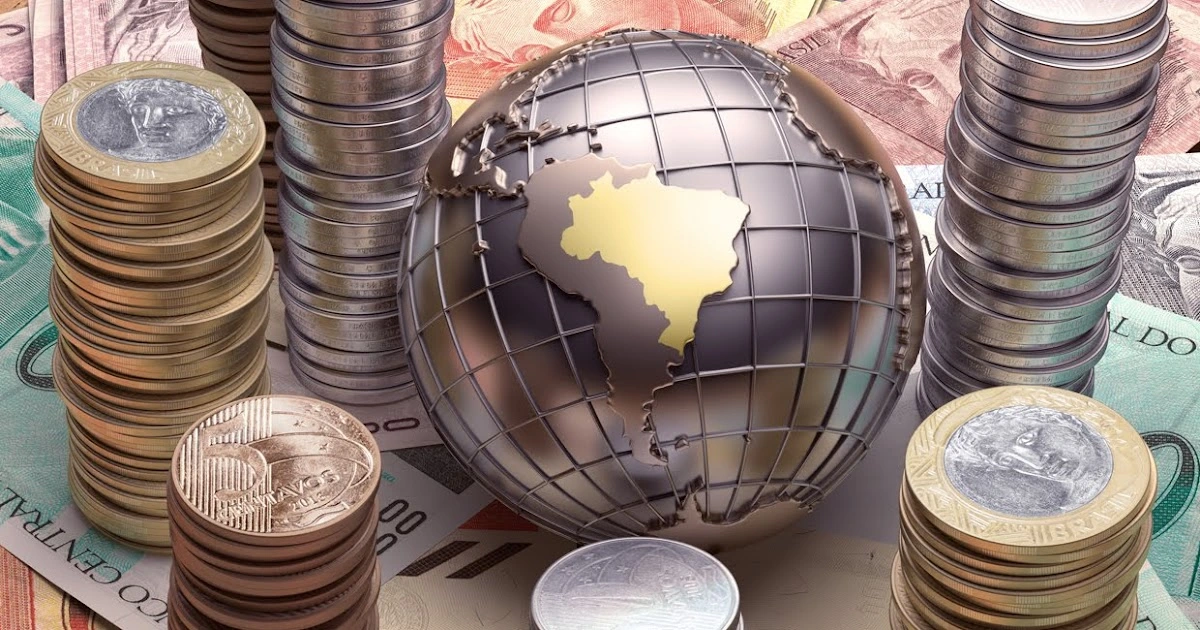
In terms of current values, Brazil’s GDP reached R$ 2.387 trillion (approximately $487.14 billion at an exchange rate of 4.90) in the third quarter.
This follows a 1% growth in the second quarter over the first quarter. The first quarter saw a growth of 1.4%, followed by 1% in the second quarter and 0.1% in the third.
The Central Bank’s Economic Activity Index (IBC-Br) showed a 0.64% decrease in the third quarter.
Meanwhile, the Getulio Vargas Foundation’s (FGV) GDP Monitor indicated a stagnation in Brazil’s economic activity for the same period.
Investment rates fell to 16.6% in the third quarter of 2023, down from 18.3% in the previous year.
The savings rate also decreased from 16.3% to 15.7%. Sector-wise, services and industry each grew by 0.6%, with agriculture seeing a notable increase of 3.3%.
Extractive industries and manufacturing each grew by 0.1%, but the construction sector declined by 3.8%.
Annually, Brazil’s GDP has grown by 3.1%
The services sector saw growth in financial, insurance, real estate, information and communication, and other services activities.
Public administration, defense, health, education, social security, and commerce also grew, while transportation, storage, and postal services declined.
Household consumption increased by 1.1%, and government consumption expenditure rose by 0.5%.
However, Gross Fixed Capital Formation dropped by 2.5%. Exports of goods and services increased by 3%, but imports decreased by 2.1%.
Annually, Brazil’s GDP has grown by 3.1% over four consecutive quarters, led by a 14.4% increase in agriculture. The services sector grew by 2.8%, and the industry by 2%.
Gross Domestic Product is a critical measure of economic performance, representing the total value of goods and services produced.
The IBGE calculates GDP from both production and expenditure perspectives, including industry, services, agriculture, household and government consumption, investments, and net exports minus imports.
The IBGE publishes GDP results quarterly, with consolidated data available after two years. This approach provides a comprehensive understanding of Brazil’s economic trends.
More: Brazil news in English, every day from The Rio Times.
This article was produced by The Rio Times’ automated newsroom system. How we use AI · Report an error
Read More from The Rio Times