Latin America and the Caribbean must significantly elevate their investments to meet climate goals.
The United Nations (UN) has underscored the need for these regions to allocate up to 4.9% of their Gross Domestic Product (GDP) annually by 2030.
This recommendation was highlighted in a report by the Economic Commission for Latin America and the Caribbean (ECLAC), presented at Dubai’s COP28 summit.
The report indicates that spending should be between 3.7% and 4.9% of the GDP each year.
Jose Manuel Salazar-Xirinachs, ECLAC’s Executive Secretary, emphasized the feasibility of these investments.
He stressed the urgency of action, noting that the required resources are substantial yet attainable.
The bulk of the investment is aimed at climate mitigation, focusing on transport, energy, infrastructure, and deforestation projects.
About a third of the funds should focus on adaptation methods like early warning systems, poverty reduction, coastal protection, and water sanitation.
The report also warns of the negative impact of climate change on labor productivity.
In some countries, productivity could decrease by as much as 10%, potentially hindering economic growth.
ECLAC’s study highlights the recent extreme weather events already affecting the region. These events have devastated agriculture in countries like Uruguay, Brazil, and Argentina.
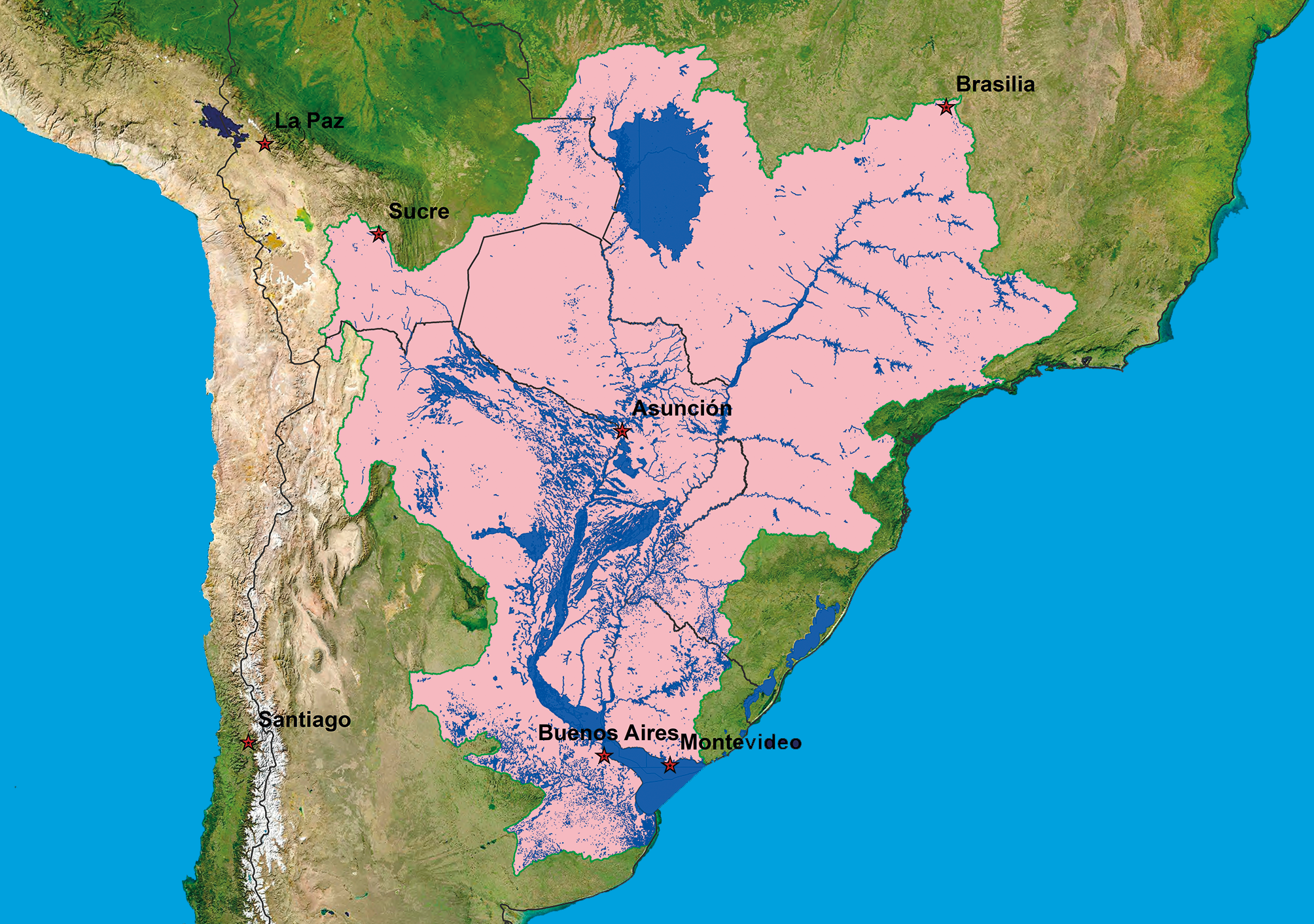
South America’s Paraná-La Plata basin, vital to Argentina’s farming sector, experienced its worst dry season since 1944.
Chile is also undergoing its most severe and prolonged drought in a thousand years.
Salazar-Xirinachs concluded by emphasizing that the cost of inaction is greater than the cost of action.
Therefore, timely and adequate investment in climate initiatives is crucial for the region’s sustainable future and economic resilience.
More: Brazil news in English, every day from The Rio Times.
This article was drafted with automated assistance and reviewed before publication. How we use AI · Report an error
Read More from The Rio Times