Brazil’s Congress Struggles to Rein In an Expanding Supreme Court
In Brasília, the traditional balance between the elected legislature and the Supreme Federal Court (STF) is tilting decisively toward the judiciary.
While members of the Chamber of Deputies denounce what they see as “judicial activism,” Speaker Hugo Motta has acknowledged that no cross‑party consensus exists to advance bills limiting the Court’s authority.
Motivated primarily by deputies aligned with former president Jair Bolsonaro, proposals to impose term limits on justices or allow congressional overrides stalled before the winter recess.
Motta reiterated that any measure affecting a separate branch must be “the product of broad agreement,” a threshold unlikely to be met in the fragmented 513‑seat Chamber, where twenty parties hold seats and governing coalitions shift issue by issue.
During the same period, the STF issued several rulings with direct economic impact. A landmark decision in June made online platforms liable for user‑generated content that violates Brazilian law and ordered companies to appoint local legal representatives to receive court notices.
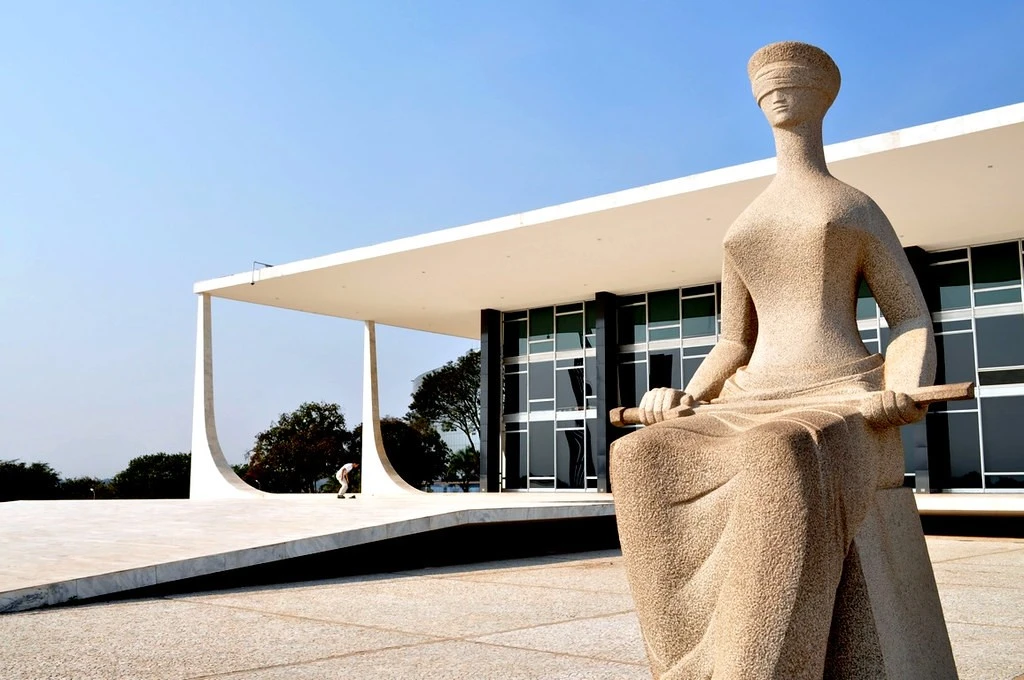
Brazil’s Judiciary Takes Lead as Congress Stalls
Separately, the Court upheld investigative measures against Bolsonaro—including restrictions on social‑media use and travel—while prosecutors pursue allegations that he incited the 8 January 2023 unrest.
Supporters argue the measures defend constitutional order; critics call them excessive. Business groups warn that policy set through the courts rather than statutes increases compliance costs and reduces predictability.
“Uncertainty about future rulings factors into investment decisions,” says Adriana Vasconcelos of the National Confederation of Industry.
Some foreign partners have also signalled concern in trade dialogues, though no formal sanctions have been linked directly to recent STF actions.
Constitutional scholars point out that Brazil’s 1988 charter gives the Court broad latitude to interpret rights and to compel other branches when they remain silent.
But they also note that Congress retains tools—constitutional amendments, ordinary legislation, and budgetary control—should it muster the votes. For now, the legislature appears largely content to wait, ceding agenda‑setting power to the eleven justices.
As economic and political questions pile up, Congress shows no sign of regaining its role as a true counterweight. In today’s Brazil, elected representatives struggle to defend their prerogatives while the judiciary steers the country’s direction.
More: Brazil news in English, every day from The Rio Times.
This article was produced by The Rio Times’ automated newsroom system. How we use AI · Report an error · Editorial responsibility: Matthias Camenzind, Editor-in-Chief