Brazil’s 2026 Fiscal Deficit Forecast Worsens to US$11.3 Billion as the Central Bank Lines Up a US$1 Billion Dollar Auction
Brazil · Economy
Key Facts
- —The number Analysts now see Brazil’s 2026 primary fiscal deficit at R$59.1 billion (about US$11.3 billion), up from R$58.1 billion a month earlier.
- —The source The figure comes from Prisma Fiscal, the Finance Ministry’s monthly survey of market economists, released August 14.
- —The 2027 view The same survey nudged the 2027 primary shortfall up to R$55 billion (around US$10.5 billion), also a small worsening.
- —The debt path Market forecasts put gross government debt near 83% of GDP this year and about 87% by 2027.
- —The dollar move The Banco Central will hold two credit-line auctions Monday of up to US$1 billion combined, to roll over a maturing swap, not to prop up the real.
The real headache is not Monday’s dollar auction, a routine rollover. But a debt pile the market now sees climbing toward 87% of GDP by 2027.
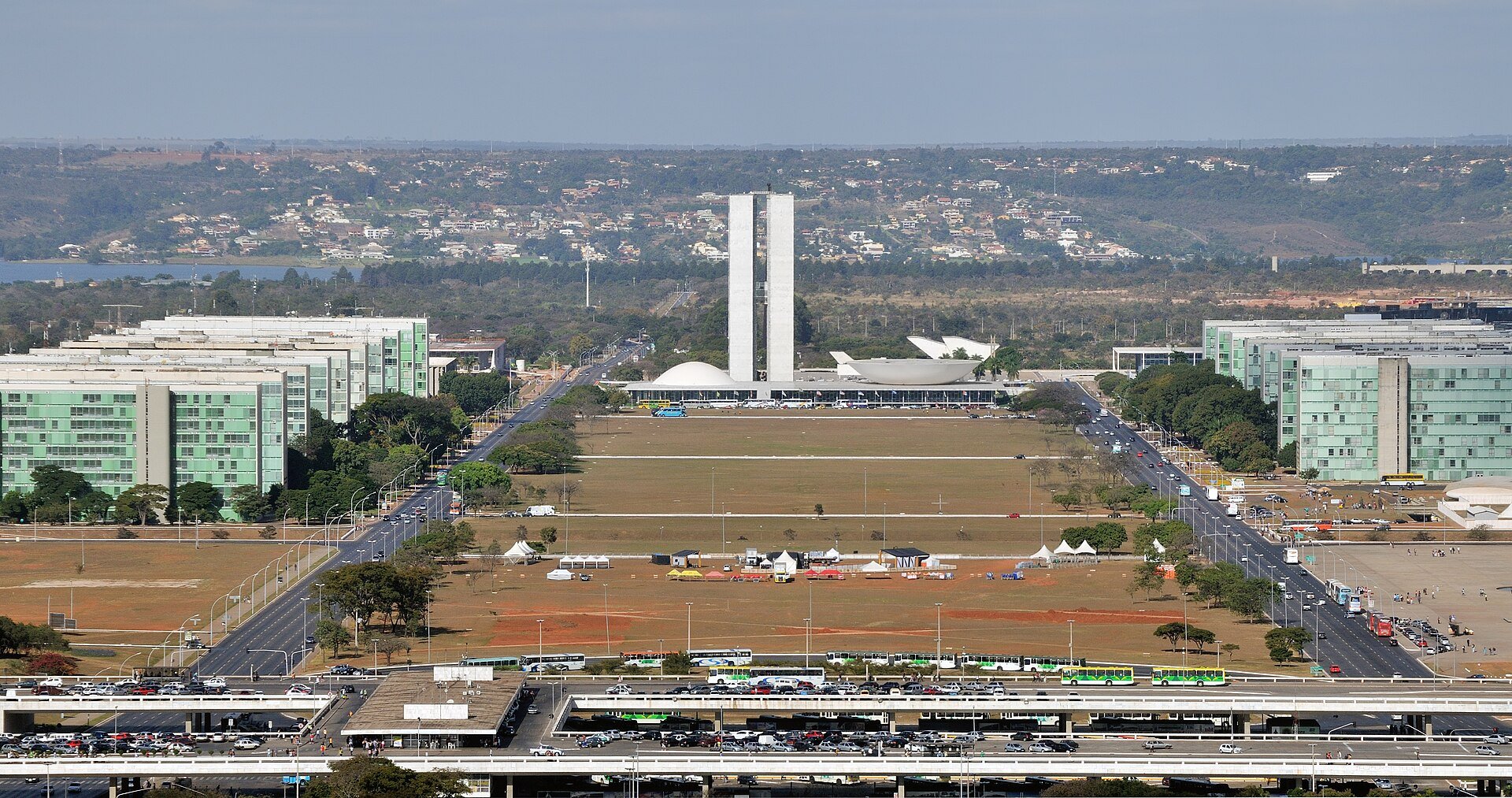
Brazil’s fiscal deficit picture darkened again this week, with market economists lifting their 2026 forecast to R$59.1 billion, or about US$11.3 billion. Separately, the Banco Central said it will sell up to US$1 billion in a routine credit-line auction on Monday.
A plumbing move rather than a rescue.
Why the fiscal deficit forecast just got worse
The new figure comes from Prisma Fiscal, a monthly poll of economists run by Brazil’s Finance Ministry. In it, the median forecast for the 2026 primary deficit rose to R$59.1 billion, about US$11.3 billion.
That is up from R$58.1 billion (roughly US$11.1 billion) in July. So the gap widened by about R$1 billion in a single month, a modest but telling slip.
What the primary deficit actually measures
The primary deficit sounds technical, but the idea is plain. Basically, it is the gap between what the government spends and what it collects, before counting interest on its debt.
In short, it shows whether the day-to-day budget is in the black. As a result, a widening primary gap means the state is leaning harder on borrowing even before the interest bill arrives.
The 2027 outlook slipped too
The same survey looked further ahead, and the mood was similar. Meanwhile, the median 2027 primary shortfall crept up to R$55 billion, around US$10.5 billion.
That compares with R$53.9 billion a month earlier. Even so, the change is small, and forecasts this far out tend to move a lot before the year arrives.
The debt pile the market is really watching
Behind the yearly gaps sits a bigger worry, which is Brazil’s total debt. In fact, economists see gross government debt at roughly 83% of GDP this year.
Looking ahead, that pile is expected to keep growing. For example, the same forecasts put it near 87% of GDP by 2027, a level that keeps investors cautious.
Still, those debt projections have been fairly steady in recent months. So the alarm is less about a sudden jump and more about a slow, stubborn climb.
Now for the central bank’s dollar auction
On the same day, the Banco Central turned to a separate task. As a result, it announced two dollar auctions for Monday, together worth up to US$1 billion.
These are called line auctions, or leiloes de linha in Portuguese. In short, the bank sells dollars now and agrees to buy them back later at a set date.
Why this is not intervention to save the real
It is easy to hear dollar auction and assume a currency defense, but that is not the case here. Instead, this operation simply rolls over a credit line that comes due on September 2.
In other words, the dollars are lent out and returned, not spent to push the exchange rate around. Because of that, it manages liquidity rather than trying to set a level for the real.
For the record, one auction will be bought back on December 2 and the other on February 2. So the whole thing is a scheduled reshuffle, not an emergency.
How the two stories fit together
At first glance, a weaker deficit forecast and a dollar auction seem unrelated. Yet both land on the same desk, because a shakier budget can make Brazil’s currency and borrowing costs jumpier.
Meanwhile, the real traded near R$5.22 to the dollar late this week. Overall, a steadier currency gives the central bank more room, while a wider deficit chips away at that comfort.
What it means for everyday Brazilians
For most people, the deficit debate can feel far away, but it does bite. For instance, a larger shortfall can keep interest rates high, making loans and card debt pricier.
In addition, high debt limits what the government can spend on services later. So even a small worsening in the numbers matters for the years ahead.
What to watch next
The next Prisma Fiscal and Focus surveys will show whether this month’s slip becomes a trend. Once those land, markets will judge if the deficit is drifting or stabilizing.
Meanwhile, the October election adds another layer of doubt. In short, investors want proof that spending will be reined in, and every fresh number is now read through that lens.
More: Brazil news in English, every day from The Rio Times.
Frequently Asked Questions
How big is Brazil’s 2026 fiscal deficit forecast now?
Market economists in the Finance Ministry’s Prisma Fiscal survey see a 2026 primary deficit of R$59.1 billion. About US$11.3 billion, up from R$58.1 billion the month before.
Is the Prisma Fiscal survey the same as the Focus survey?
No. Prisma Fiscal is the Finance Ministry’s survey of market forecasts for government accounts. While the Focus bulletin is the central bank’s weekly poll covering inflation, growth and rates.
Why is the central bank auctioning dollars on Monday?
It is rolling over a maturing credit line worth up to US$1 billion. The bank sells dollars now and buys them back later, managing liquidity rather than defending the real.
Does the dollar auction mean the real is in trouble?
No. A line auction is a scheduled rollover, not spot intervention. The real was trading near R$5.22 to the dollar, and the operation does not aim to set that level.
Connected Coverage
Sources: Prisma Fiscal (Finance Ministry); Reuters; Infomoney; CNN Brasil; Estadao.
This article was produced by The Rio Times’ automated newsroom system. How we use AI · Report an error
Read More from The Rio Times