Brazil Moves to Claw Back Judicial Pay Top-Ups That Beat the Legal Ceiling
Brazil · Justice
Key Facts
- —The order On August 12, STF justices Alexandre de Moraes and Flávio Dino told seven state courts to suspend the top-ups and recover money already paid.
- —The ceiling Public pay is capped at a Supreme Court justice’s salary, about R$46,366 a month (US$9,112) in 2026.
- —The workaround ‘Penduricalhos’ are extra allowances that push total pay above that cap.
- —The scale An audit found public servants were paid R$24.3 billion (US$4.8 billion) above the ceiling in 2025.
- —Which courts The seven include the Federal District, Goiás, Maranhão, Paraná and Rio de Janeiro.
There is a legal limit on public salaries in Brazil. A web of clever extras has let many judges sail right over it, and two justices have finally said stop.
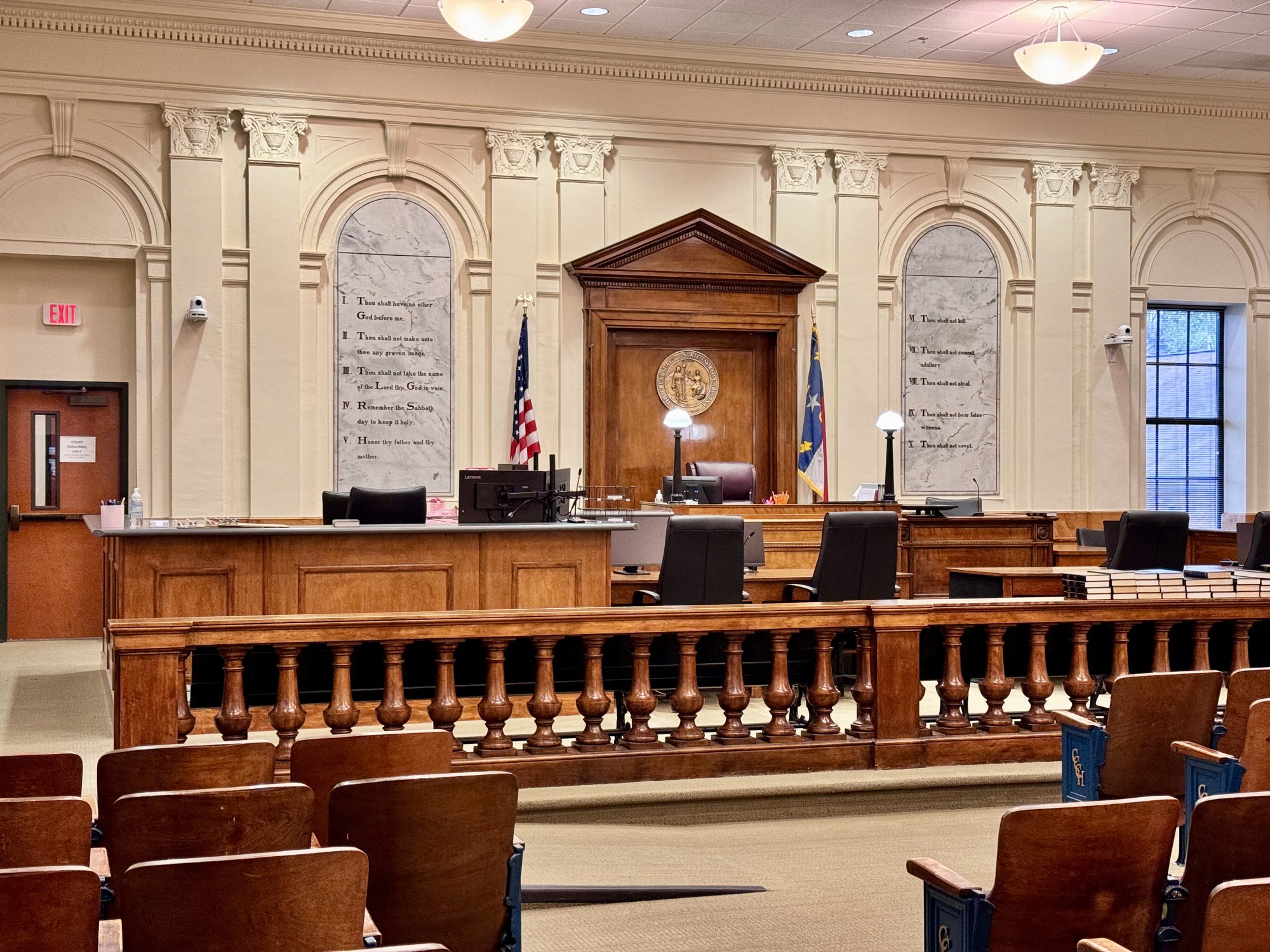
Yet many judges quietly do, thanks to a thicket of extra payments known as judicial pay top-ups. Brazil has a rule that sounds simple: no public servant should earn more than a Supreme Court justice.
On August 12, two justices decided to start dismantling it.
The ceiling everyone is supposed to respect
The idea behind the cap is fairness. No matter how senior, a public official should not out-earn the top judges in the land.
That ceiling, known as the teto, is pegged to the monthly pay of a Supreme Court justice. In 2026 it stands at about R$46,366, or roughly US$9,112.
Over a year, that is a handsome salary. And by law, it is supposed to be the ceiling for everyone on the public payroll.
The principle is popular precisely because it is intuitive. Most people accept that even powerful officials should answer to some limit.
How judicial pay top-ups quietly beat the cap
In practice, the ceiling leaks. A collection of extra payments, the penduricalhos, slips past it.
These extras carry innocent-sounding names: daily allowances, housing help, bonuses, payouts for unused holidays, and various one-off benefits. Because many are classed as ‘compensation’ rather than salary, they are treated as if the cap does not apply.
Added together, they can lift a paycheck well above the limit.
A R$24 billion problem, not a rounding error
This is not loose change. An audit reported by Valor and O Globo found the scale is enormous.
In 2025 alone, tens of thousands of public servants were paid R$24.3 billion above the ceiling. At current rates that is around US$4.8 billion.
Payments like these have earned a blunt nickname in Brazil: supersalários, or supersalaries. The word captures the public’s exasperation.
What Moraes and Dino actually ordered
On August 12, Supreme Court justices Alexandre de Moraes and Flávio Dino moved against the practice inside the courts themselves. They ordered seven state courts to do two things at once.
Suspend the top-up payments immediately, and recover the sums already handed out. The seven include the courts of the Federal District, Goiás, Maranhão, Paraná and Rio de Janeiro.
The demand to claw back money is the sharper edge of the order. The involvement of Moraes and Dino gives the move real weight.
Both are heavyweight justices whose orders are hard for lower courts to ignore.
What the extras look like in practice
The genius of the system is how ordinary each piece sounds. A travel allowance here, a housing benefit there, a bonus for years served.
None of it looks scandalous on its own. The controversy is in the total, when a dozen small extras stack into a very large number.
Some payments are also retroactive, covering benefits claimed for past years. A single back-payment can dwarf a month’s base salary.
That self-supervision is the crux of the problem. When the people setting the rules also benefit from them, reform tends to stall.
Why judges policing judges is so hard
There is an awkward truth at the heart of this. The judiciary largely oversees its own pay.
The National Council of Justice, the CNJ, is meant to keep watch. But its grip has been uneven.
By one account, it validated long-service bonuses in just 4 of 63 courts, releasing R$1.1 billion. A ceiling that the referees can bend is not much of a ceiling.
A limit that keeps getting tested
This is not the first attempt to rein in the extras. The Supreme Court had already set a cap of 35% on certain compensation payments.
Enforcement, though, is the perennial weak spot. Rules exist on paper; the money keeps flowing in practice.
That gap between rule and reality is exactly what the new order tries to close, at least in these seven courts.
An awkward moment to be over the cap
The timing makes the issue sting more. Brazil is in the middle of a long argument about spending, taxes and belt-tightening.
Governments routinely ask ordinary people to accept less, or to pay more. That message lands badly when officials appear exempt from limits.
Supersalaries have become shorthand for that double standard. Cracking down on them is as much about credibility as about cash.
Why this reaches beyond the courthouse
For ordinary Brazilians, the story is really about trust and fairness. Public money is finite, and every real spent on a supersalary is a real not spent elsewhere.
It also strikes a nerve in a country debating austerity and tax reform. Asking citizens to tighten belts is harder when officials float above the cap.
That is why judicial pay top-ups draw such heat. They sit at the meeting point of money, privilege and public patience.
What happens next
The immediate question is whether the seven courts comply, and how quickly the clawback begins. Recovering paid salaries is legally and politically messy.
There is also a bigger fight in the background, in Congress and the CNJ, over reforming the rules for good. For now, the message from two of the country’s most powerful justices is unusually direct.
The ceiling is the ceiling, and it is time it meant something. Legal challenges are likely.
Courts asked to hand back salaries rarely comply without a fight, and appeals could drag on for months.
Background: our brazil renewable energy guide.
More: Brazil news, every day from The Rio Times.
Frequently Asked Questions
What is the ‘teto’ or salary ceiling?
It is the legal cap on public pay in Brazil. Set at a Supreme Court justice’s salary, about R$46,366 a month in 2026.
What exactly are ‘penduricalhos’?
They are extra payments on top of base salary, such as allowances, bonuses and payouts for unused leave. Classed as compensation, they can push total pay above the cap.
How big is the problem?
An audit found public servants were paid R$24.3 billion (about US$4.8 billion) above the ceiling in 2025.
What did the justices order?
Moraes and Dino told seven state courts to suspend the top-ups immediately and recover money already paid.
Why is it hard to stop?
The judiciary largely oversees its own pay, and enforcement has been patchy. Rules exist, but the extra payments have kept flowing.
Sources: Supremo Tribunal Federal; CNJ; Valor Econômico; O Globo.
This article was produced by The Rio Times’ automated newsroom system. How we use AI · Report an error
Read More from The Rio Times