Brazil Supreme Court: Prosecutor Asks to Void the Moraes Report
BRAZIL · POLITICS
Key Facts
- —What happened Prosecutor-General Paulo Gonet asked the court to annul a police report on messages between Justice Moraes and a banker.
- —His argument He says a judge cannot accuse and cannot run pre-trial investigations, and that the order behind the report was void.
- —The real story The fight is now procedural, about who may authorise scrutiny of a sitting justice, rather than about the messages themselves.
- —The catch Nobody has accused the Federal Police of wrongdoing; it carried out an order the prosecutor says was never valid.
- —Who has to answer Court president Edson Fachin gave four people five working days to explain themselves, including both justices.
- —What comes next No date has been set for a full bench session on the dispute between the two justices.
Runoff · Sunday, 25 October
Brazil Runoff 2026: Lula vs Flávio
Date, polls, debates, odds and how the runoff works, updated every day.
Read our Brazil election 2026 runoff guide →
Brazil runoff polls · Polymarket and Kalshi odds · When results come · Brazil election poll data (CSV)
Prediction markets · who wins the runoff
Implied chance of winning Brazil’s presidency on 25 October, from traders’ prices.
Polymarket
Flávio Bolsonaro 79% · Lula 20.5% (US$191 million traded)
Kalshi (regulated in the US by the CFTC)
Flávio Bolsonaro 80% · Lula 21%
As of 21 October, 8:00 pm ET (01:00 Lisbon), updated every 20 minutes. Prices are bets, not polls, and can move fast.
Why we show this: prediction markets turn real-money bets into a live probability that moves within minutes of the news, which is why investors, campaigns and newsrooms in the United States now follow them closely. We show them next to polls and official results, never instead of them.
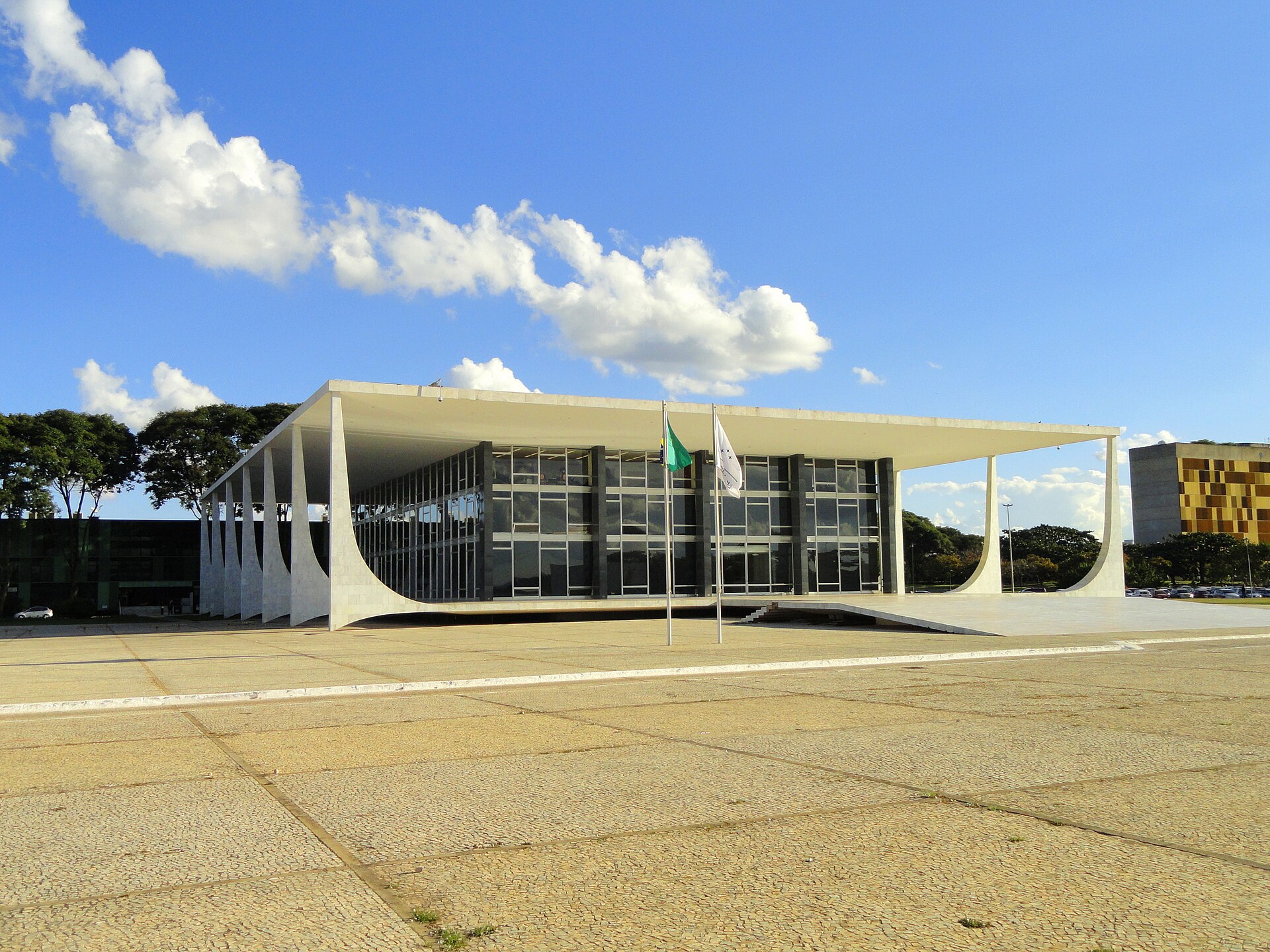
The dispute inside Brazil’s highest court has stopped being about who is accused. It is now about whether one justice was allowed to order a police investigation of another.
The argument inside Brazil’s highest court has changed shape this week. The Brazil Supreme Court is no longer mainly debating what two justices did, but who was allowed to order an investigation.
Prosecutor-General Paulo Gonet filed the move on Monday, 1 September 2026. He asked the court to annul a Federal Police report.
The report examined messages between Justice Alexandre de Moraes and the businessman Daniel Vorcaro. Vorcaro is the banker at the centre of the Banco Master case.
Gonet’s target is not the police. It is the order that set them to work.
What the Prosecutor Actually Argued
His filing is blunt about the role of a judge. It is not for a judge to accuse, he wrote, and still less for a judge to carry out pre-trial investigations.
He applied that directly to what happened. An order to the police to investigate specific people, without a request from prosecutors and without police initiative, is void.
The order came from Justice André Mendonça. He was the rapporteur handling the underlying case.
Gonet says the route should have been different. Under the law governing the judiciary, evidence touching a sitting justice goes to the court president and then to the full bench.
So his request is for annulment of both the order and everything produced under it. In his framing, the Federal Police executed a command that was never valid.
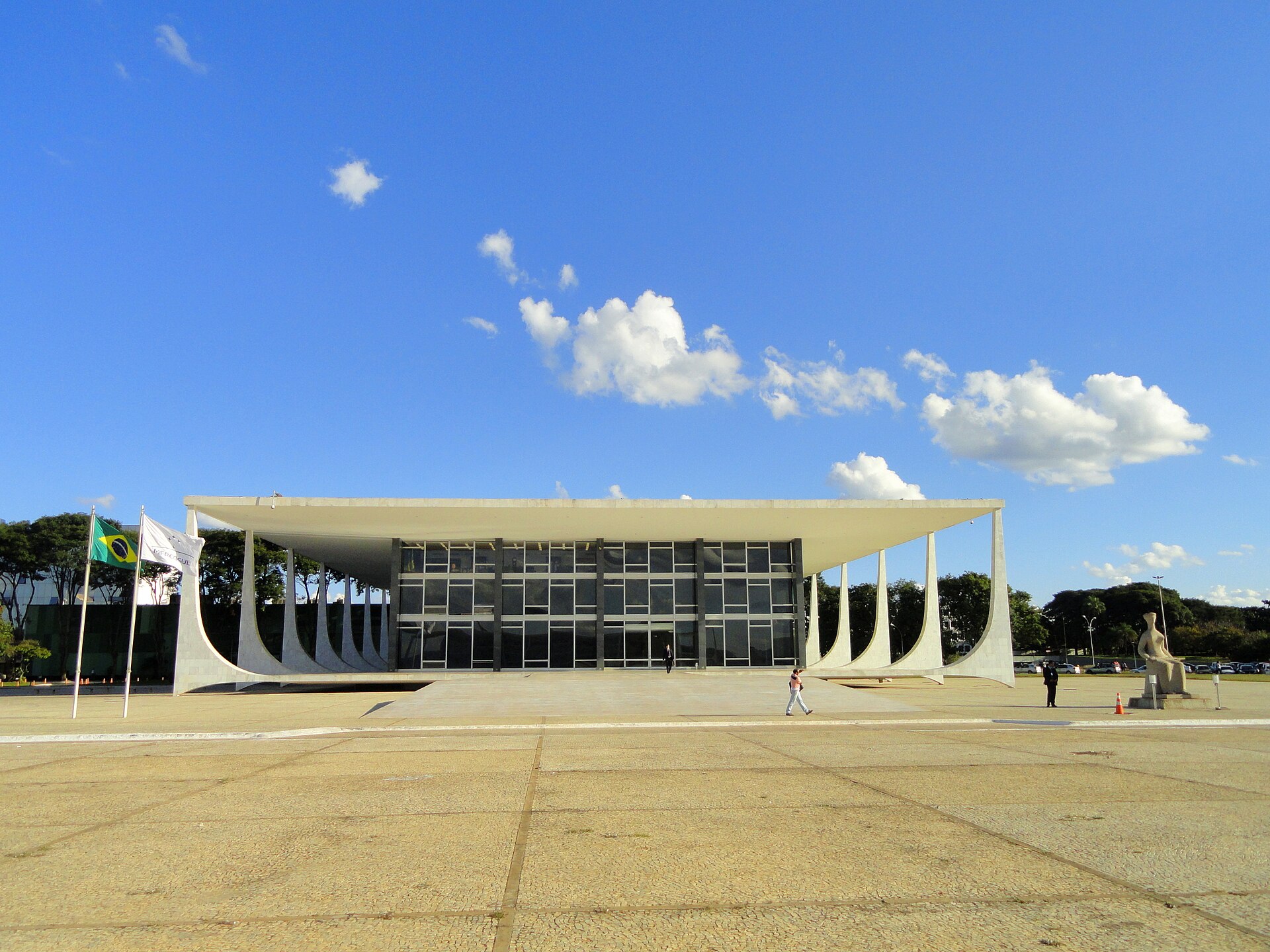
Why the Brazil Supreme Court Is Not Blaming the Police
This distinction has been widely garbled, and it matters. Nobody in this filing accuses the Federal Police of acting illegally on its own initiative.
The force has also spoken for itself. In a document reported on 1 September, it said no investigative steps were directed at magistrates.
There is a second police document in circulation, and it points the other way. That one was used by Moraes against Mendonça.
It describes itself as having no evidentiary value. Its confidence levels are rated low or moderate, and it carries no signature or letterhead.
Keeping the two documents apart is the difference between reporting this story and confusing it. They were produced for different purposes and say different things.
Who Now Has to Answer
Court president Edson Fachin acted on 3 September. He opened a new case file and gave four people five working days to explain themselves.
Those four are Moraes, Mendonça, Gonet and the Federal Police director-general, Andrei Rodrigues. That is an unusual list.
Fachin explained himself in the order. It falls to the presidency, he wrote, to ensure a full bench decision is taken in due time and manner.
The deadline runs across Brazil’s Independence Day holiday on 7 September. No outlet has published the exact expiry date.
The Moves Around It
Moraes made his own request on 3 September. He asked Fachin to have Mendonça investigated for offences including abuse of authority.
Fachin partly ruled on that the following day. He removed the request from the long-running fake news inquiry and attached it to the Banco Master proceeding instead.
That is not a small housekeeping step. The fake news inquiry has been the court’s most contested case for years.
Moving the request out of it lowers the temperature. It also separates a personal dispute from a political one.
The Novo party then filed on 4 September. It asked the court to shelve the investigation into Mendonça.
Its argument was narrow. An anonymous or unsigned document cannot on its own justify opening a criminal inquiry.
One Retired Voice, and What He Said
Marco Aurélio Mello, a retired justice, gave an interview on 2 September. His words were sadder than they were combative.
He said he would not want to be in Moraes’s shoes. He had not imagined things could reach this point.
On the substance he backed the rapporteur’s powers. A rapporteur may well request information, he said, and should do so.
He added a line that reads as a warning to everyone involved. Whoever committed the misconduct should pay for it.
What Is Actually at Stake for the Brazil Supreme Court
Strip away the personalities and one question remains. Can a single justice direct the federal police at a colleague, or must the full court decide first?
Brazil has no recent precedent for this. That is why the procedural argument has swallowed the factual one.
For investors and residents the practical read is simple. A court arguing about its own rules is a court that is slower at everything else, in an election year.
There is no session date. Until the full bench takes it up, the Brazil Supreme Court is holding a dispute it cannot delegate to anyone.
More: Brazil news in English, every day from The Rio Times.
Frequently Asked Questions
What did the prosecutor-general ask for?
Paulo Gonet asked the Supreme Court on 1 September 2026 to annul a Federal Police report on messages between Justice Alexandre de Moraes and businessman Daniel Vorcaro, and to end the procedure behind it.
Why does he say it was invalid?
Because Justice André Mendonça ordered the police directly. Gonet argues that evidence touching a sitting justice must go to the court president and then to the full bench.
Is the Federal Police accused of anything?
No. In Gonet’s argument the force carried out an order that should never have been given. The police have also said publicly that no investigative steps were aimed at magistrates.
What did the court president do?
On 3 September Edson Fachin gave Moraes, Mendonça, Gonet and the police director-general five working days to explain themselves. On 4 September he moved a separate request out of the fake news inquiry.
When will this be decided?
No date has been set. The full bench has to take up the matter, and the five-day deadline runs across Brazil’s 7 September holiday.
Sources: Agência Brasil, Migalhas, ConJur, JOTA, Metrópoles, Poder360, InfoMoney, Revista Oeste, Gazeta do Povo, BBC News Brasil, Rio Times.
This article was produced by The Rio Times’ automated newsroom system. How we use AI · Report an error · Editorial responsibility: Matthias Camenzind, Editor-in-Chief