In 2023, Brazil anticipates setting biodiesel production records, following a new mandate that raises the biodiesel blend in diesel from 10% to 12%.
According to the Brazilian Vegetable Oil Industries Association (Abiove) forecasts, this change could result in a total output of 7.3 billion liters.
In 2022, Brazil produced 6.3 billion liters of this fuel. The updated blend schedule has created a more predictable environment for businesses to invest.
Consequently, Brazil is on track to rank as the third-largest global biodiesel producer.
For each additional blend percentage, production grows by 650 million liters. Plans reveal a 13% blend rate by March 2024.
This increase should push production to 8.4 billion liters in 2024.
According to energy experts, Brazilian biodiesel can cut greenhouse gas emissions by at least 80%.
This comparison is against fossil-based diesel. Moreover, a higher blend rate will cut the country’s need for imported diesel by 12%.
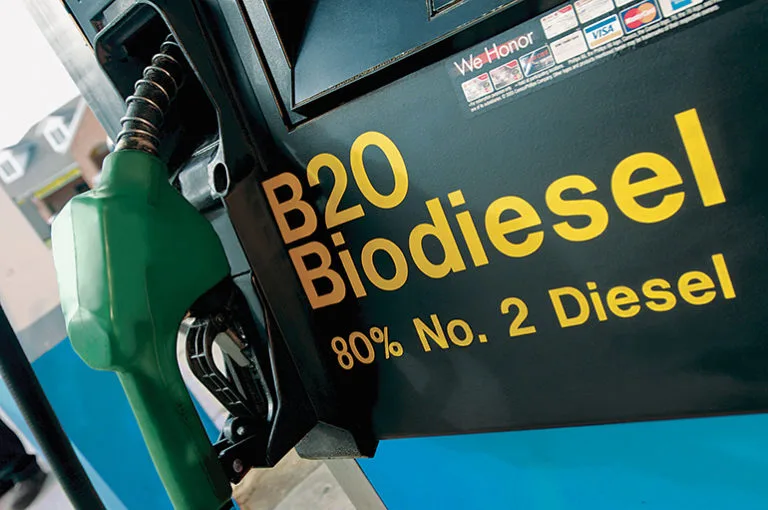
Since the start of mandatory blending in 2008, the country has generated 60.1 billion liters of biodiesel. This production has avoided 130 million tons of CO2 emissions.
This year, Brazil also introduced stricter quality controls for biodiesel. Now, the country has the most rigorous biodiesel quality checks globally.
Small-scale farmers are increasingly contributing to biodiesel production. They currently provide 15% of the soy used. This number is expected to rise to 20%.
Background
Biodiesel has a long-standing history in Brazil. The country introduced mandatory blending in 2008.
Since then, it has played a key role in the renewable energy market. As climate concerns grow, Brazil aims to reduce greenhouse gases and cut dependency on imported fuels.
Additionally, involving small-scale farmers in biodiesel production shows a commitment to socio-economic growth.
Finally, this surge in biodiesel aligns with Brazil’s larger goals: energy security, economic development, and environmental protection.
More: Brazil news in English, every day from The Rio Times.
This article was produced by The Rio Times’ automated AI newsroom. Editorial responsibility: Matthias Camenzind, Publisher and Editor-in-Chief. The Rio Times also runs Ask Rio Times, which answers from 100,000+ of our own articles, the daily Latin America Power Map, and prediction-market odds on elections and markets.. How we use AI · Report an error