Brazil on Edge: Political Powder Keg as Court Moves to Silence Bolsonaro and Followers
Brazil appears ever closer to a political explosion, with intensifying conflict between the judiciary and supporters of former president Jair Bolsonaro.
Tensions reached new highs as Supreme Court Justice Alexandre de Moraes ordered Bolsonaro off all major social media platforms and barred him from contact with foreign officials, aiming to contain what the court calls threats to the nation’s democracy.
Official inquiries tie Bolsonaro and at least 33 political allies to alleged plots to overturn the 2022 election after his defeat by current president Luiz Inácio Lula da Silva.
On January 8, 2023, these disputes spilled into violence as hundreds stormed government buildings in Brasília. More than 60 lawmakers now face investigation for their alleged roles.
The court’s latest decisions extend not only to Bolsonaro himself but also threaten legal action against ordinary Brazilians who share or promote his messages online.
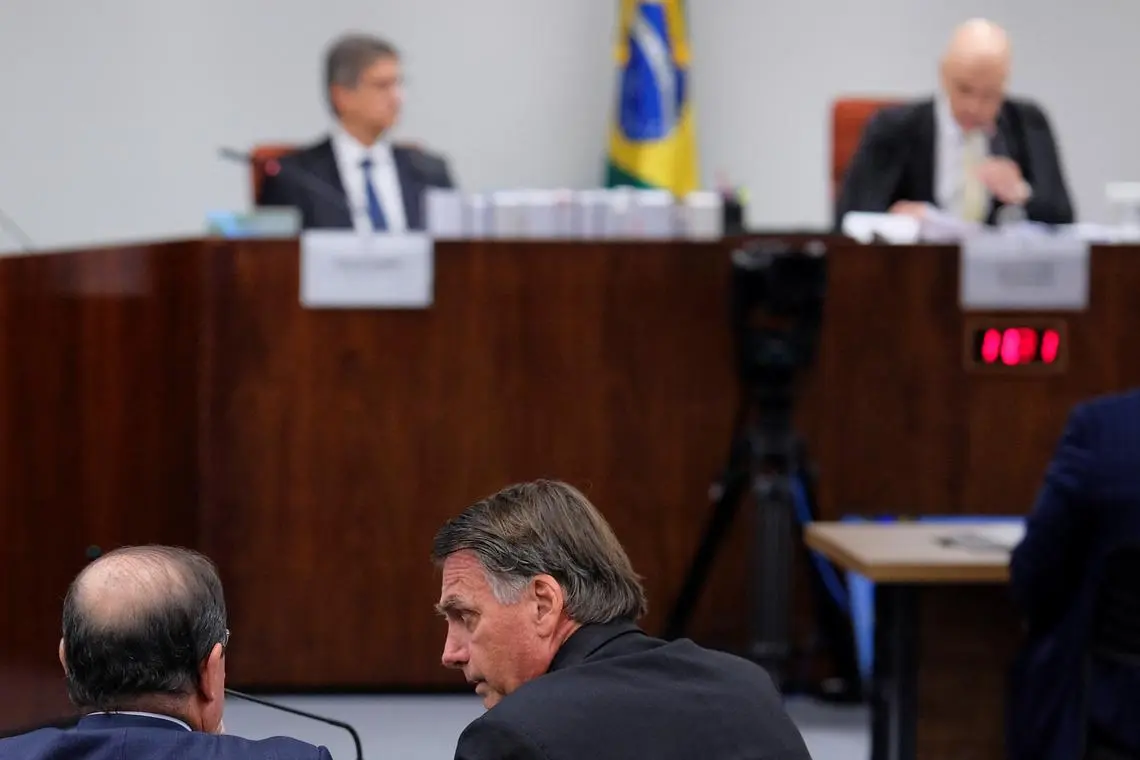
According to court filings, Brazilians accused of spreading barred content risk criminal prosecution under charges related to undermining the constitutional order. Justice de Moraes claims such restrictions are vital to protect judicial integrity and public order.
Brazil’s Political Turmoil Deepens Amid Amnesty Debate
Bolsonaro’s supporters question the legitimacy of these sweeping measures. Opposition lawmakers argue that the Supreme Court, particularly Moraes, is overreaching, violating free speech, and targeting political enemies.
They push for amnesty for those accused, impeachment hearings against Moraes, and mass demonstrations to pressure Congress. One protest in São Paulo attracted around 185,000 supporters, highlighting the country’s sharp divide.
At the same time, many business leaders and ordinary Brazilians warn that giving amnesty to the instigators of the January 8 attacks would undermine Brazil’s democracy.
Public rallies in major cities call for accountability and oppose pardons, fearing that impunity would embolden anti-democratic actions and shake confidence in the rule of law.
With scenes of confrontation in Congress, courts, and streets, Brazil now seems stuck in a dangerous stand-off.
The judiciary’s aggressive steps and the opposition’s combative street tactics have fueled uncertainty, leaving investors and exporters uneasy about the country’s stability.
Major sectors, including agriculture and industry, watch closely as ongoing unrest threatens economic confidence. Each new restriction, every protest, and ongoing court battle adds to the country’s volatility.
The fight between defending institutions and protecting basic freedoms has put Brazil in a prolonged and risky stalemate.
Until leaders find common ground or institutions re-balance, Brazil will remain a powder keg—primed for further shocks, with its political and economic future hanging in the balance.
More: Brazil news in English, every day from The Rio Times.
This article was produced by The Rio Times’ automated newsroom system. How we use AI · Report an error
Read More from The Rio Times