Lula Warns Against “Enemies of Democracy” While Brazil Silences Its Own Opposition
Brazilian President Luiz Inácio Lula da Silva declared that “enemies of democracy use trade as a tool of coercion and blackmail,” echoing a style of rhetoric typical of leftwing politics in recent years.
Lula leveled this charge at Donald Trump and his allies in response to the United States’ imposition of a sweeping 50% tariff on Brazilian exports, an act officially justified by concerns over Brazil’s treatment of its former president, Jair Bolsonaro.
Lula’s statement fits into a familiar narrative: warning against the dangers of nationalist leaders abroad while defending democracy at home. He paints Trump and international rightwing movements as grave threats to democratic order.
However, during the same period, Brazil’s own institutions imposed strict controls on Bolsonaro, the country’s leading opposition figure.
Supreme Court Justice Alexandre de Moraes ordered not just silence from Bolsonaro but extended censorship to anyone sharing his words online. Under these rules, even posting Bolsonaro’s public statements can now lead to prosecution.
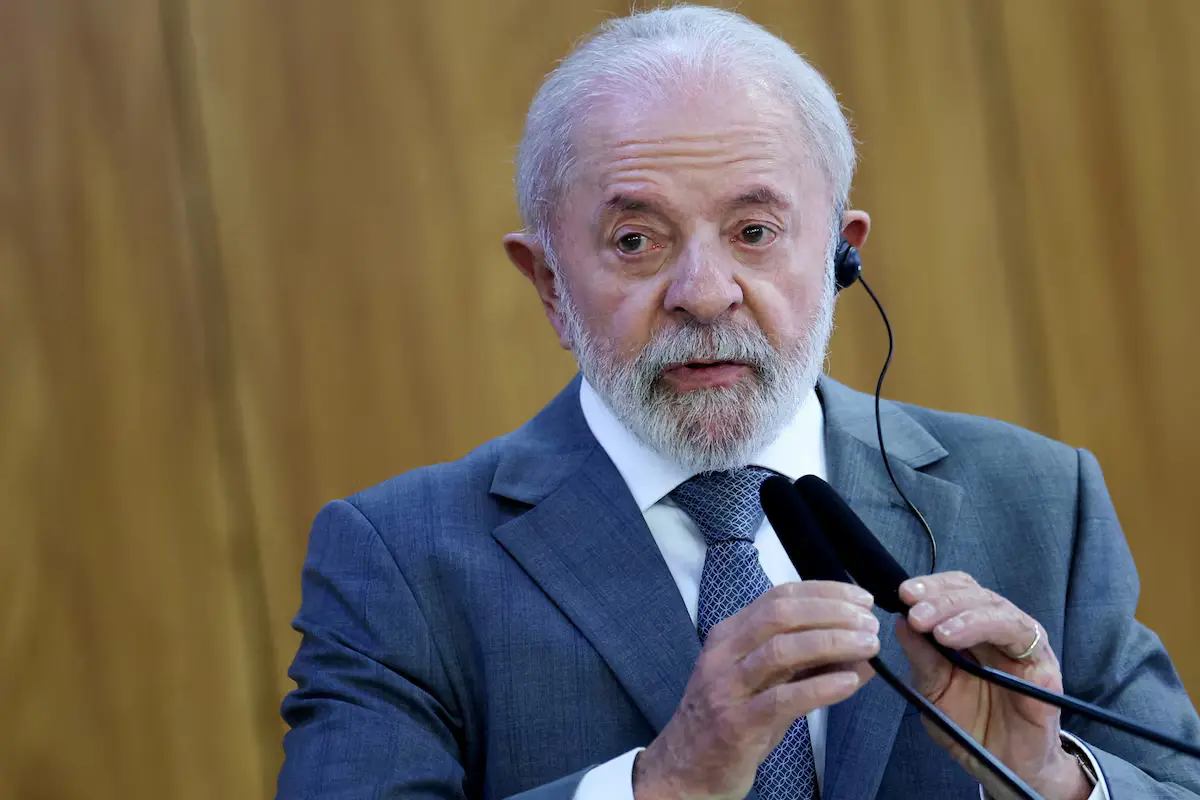
The irony stands out. While Lula accuses external leaders of betraying democracy through economic power plays and cultural conflict, Brazil’s highest court implements measures that silence a major opposition voice.
Observers find it remarkable that Lula’s government frames itself as democracy’s defender, even as legal actions suppress dissent, limiting what millions of Brazilians can see or say about their former president.
This contradiction has drawn international scrutiny and fueled the ongoing trade standoff. Trump’s tariff—announced alongside his criticism of Brazil’s legal crackdown—risks escalating tensions, with business and consumers on both sides watching the consequences unfold.
For companies trading across borders, this political battle threatens higher costs and less market stability. The situation lays bare a core tension. Both sides claim to defend democracy, yet each uses its own power—be it economic or judicial—to control opponents.
The story behind the words is clear: in labeling enemies and limiting voices, the very notion of “democracy” becomes a tool in a larger struggle for power and influence. For citizens and businesses alike, the costs are more than political—they are real, measurable, and growing.
More: Brazil news in English, every day from The Rio Times.
This article was produced by The Rio Times’ automated newsroom system. How we use AI · Report an error
Read More from The Rio Times