Brazil-Led Antarctic Expedition Unveils Critical Climate Insights After Historic 70-Day Voyage
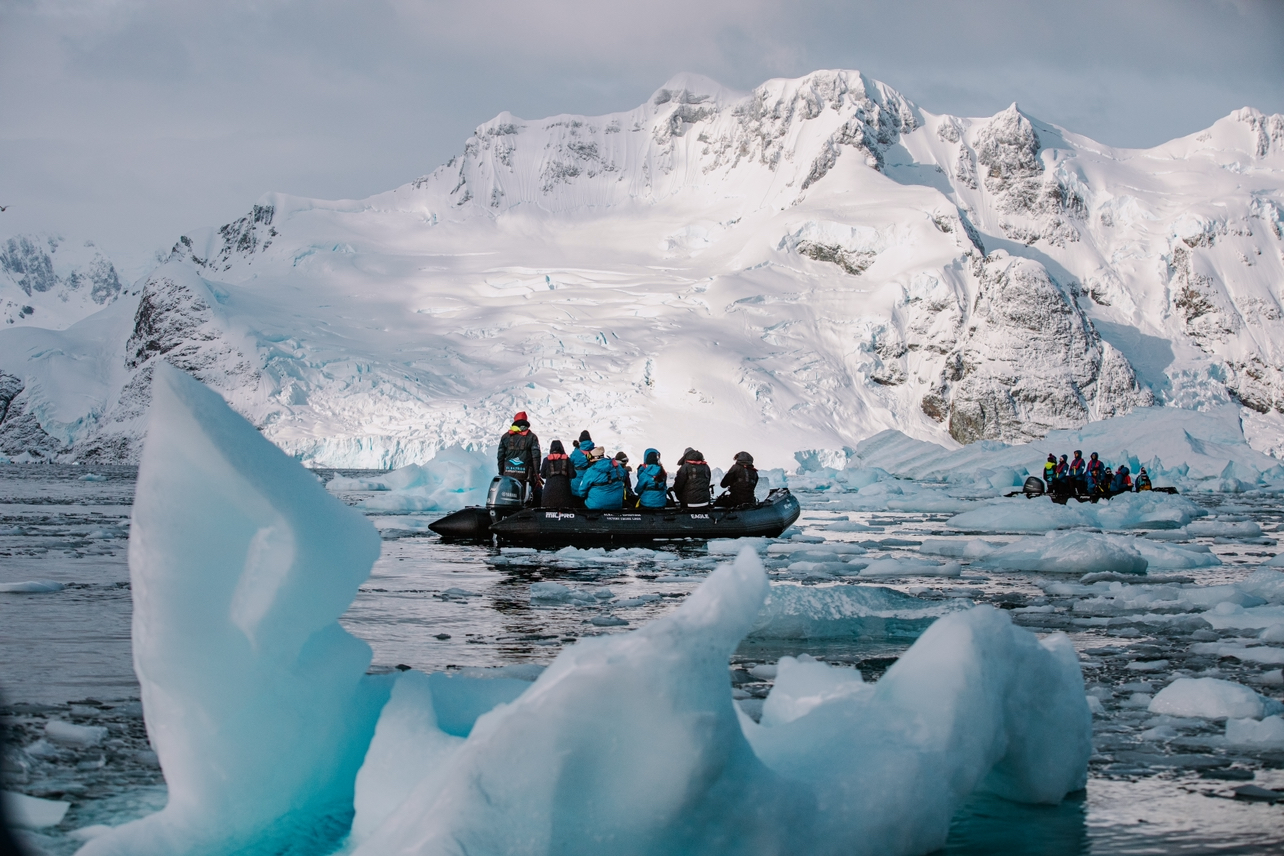
A groundbreaking Antarctic expedition, led by Brazilian glaciologist Jefferson Simões, has returned to Brazil after a remarkable 70-day journey.
The mission, aboard the Russian icebreaker Akademik Tryoshnikov, involved 57 scientists from seven countries, including 27 from Brazil. This collaborative effort aimed to gather crucial data on ice dynamics, ocean warming, and airborne pollutants.
The findings shed light on climate impacts threatening global coastlines. During the expedition, researchers collected extensive data, including over 90 meters of ice cores and six meters of sediment samples from depths exceeding 2,000 meters.
They also launched 43 atmospheric balloons to track temperature and wind patterns. Notably, the team detected microplastics in freshly fallen Antarctic snow—a first—and black carbon deposits from distant wildfires, both of which accelerate ice melt by reducing surface reflectivity.
These findings underscore the possible direct link between industrial activity, pollution, and polar destabilization. The expedition holds significant implications for Brazil’s extensive coastline, where cities like Porto Alegre are already experiencing a 12 cm sea-level rise over the past decade.
Key Insights for Climate Resilience and Global Strategy
This data is crucial for policymakers and investors, as it highlights the urgent need for climate resilience strategies. Antarctic warming disrupts ocean currents, affecting rainfall patterns across South America and impacting agricultural and energy sectors.
The mission’s success reinforces the importance of international cooperation in addressing climate challenges, emphasizing actionable solutions over ideological divides. As the world grapples with climate change, understanding the impacts of Antarctic ice loss is vital.
The data collected during this expedition will take years to analyze, but preliminary results confirm accelerated ice shelf collapse in West Antarctica. This region is responsible for a significant portion of global sea-level contributions, making it a critical area of study.
By focusing on these insights, stakeholders can better prepare for future climate-related challenges, ultimately shaping more resilient global strategies.
This article was drafted with automated assistance and reviewed before publication. How we use AI · Report an error
Read More from The Rio Times