Brazilian Missionaries Flee Mozambique’s Election Unrest Amid Violent Protests
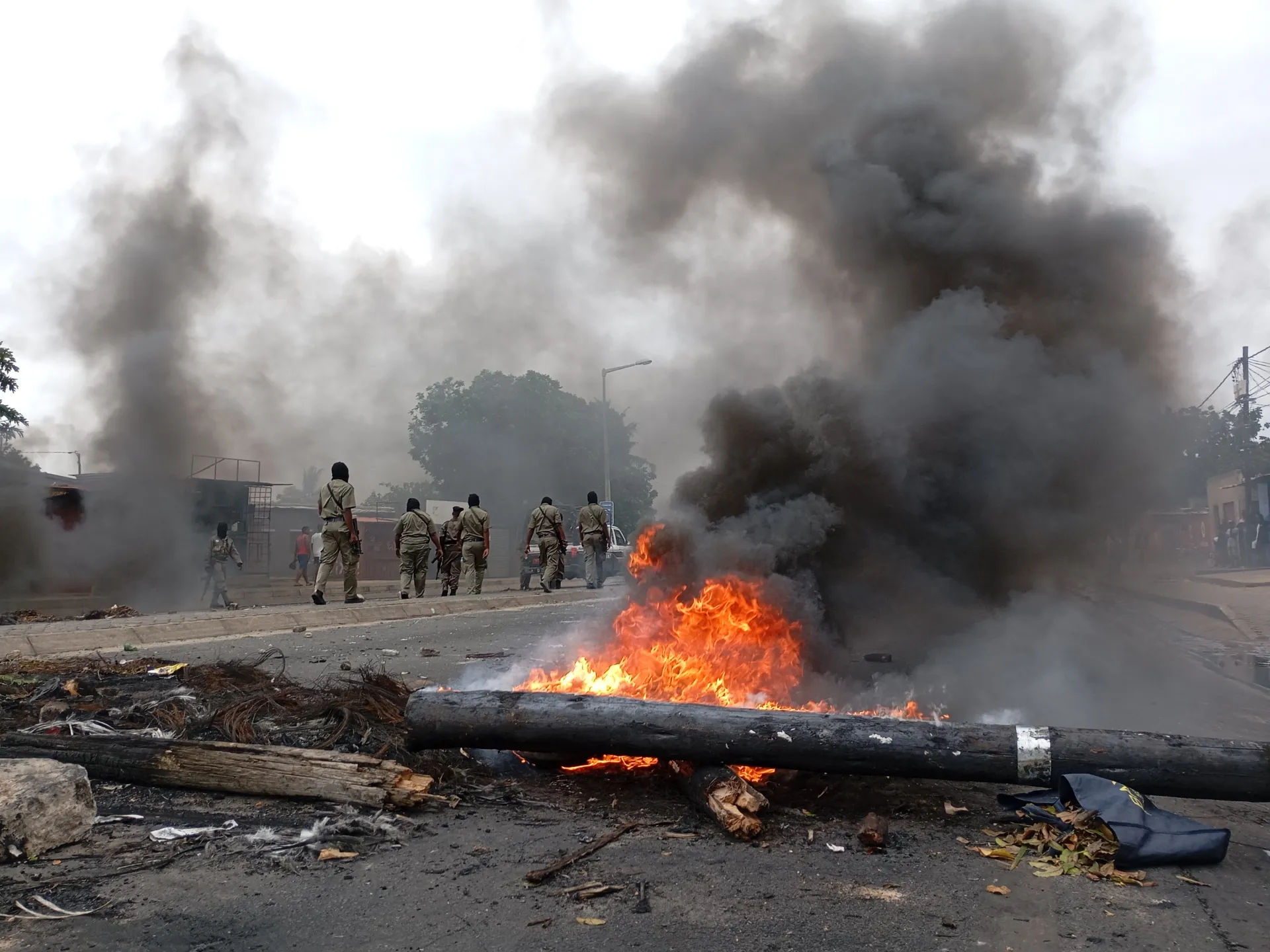
Mozambique’s recent elections have sparked widespread unrest, forcing many missionaries to flee the country. The violence erupted following the October 9 general elections, with protests intensifying around Christmas.
At least 300 people have died in clashes with police since October, including 56 fatalities during Christmas week alone. The ruling party FRELIMO, which has governed Mozambique since its independence in 1975, declared its candidate Daniel Chapo the winner with 65% of the vote.
However, opposition leader Venâncio Mondlane rejected the results, claiming fraud and calling for street protests. Brazil is a major source of missionaries in Mozambique, with approximately 450 evangelical missionaries.
They are part of the 3,240 Brazilian nationals in the country. Catholic missionaries are also present, contributing to education and healthcare initiatives. The unrest has severely disrupted daily life and missionary work.
In Nampula, protesters blocked roads and demanded money from passersby. Looting led to skyrocketing prices, with the cost of basic goods like flour nearly doubling within days.
[arve url=”https://www.riotimesonline.com/wp-content/uploads/2025/01/Gen-3-Alpha-Turbo-3847644284-Cropped-AFP__20241-M-5-cam_Z-03.mp4″ loop=”true” autoplay=”true” /]
Compounding the crisis, recent cyclones Chido and Dikeledi caused significant damage, leaving at least 120 people dead and destroying critical infrastructure. The northern province of Cabo Delgado faces additional challenges from an insurgency linked to the Islamic State.
Mozambique’s Electoral Conflict
This conflict has killed thousands and displaced over half a million people. Religion plays a complex role in Mozambique‘s political landscape. Christians make up 62% of the population, while Muslims account for 19%.
Both presidential candidates have religious affiliations, with Mondlane serving as an assistant pastor at a Pentecostal church and Chapo publicly displaying his faith during the campaign.
Most religious leaders have avoided taking sides in the electoral dispute. However, some missionaries empathize with protesters’ frustrations over high unemployment and limited opportunities for young people.
The ongoing unrest in Mozambique presents significant challenges for the country’s stability, economic development, and international aid efforts.
The situation highlights the delicate balance between political tensions, religious dynamics, and socioeconomic issues in a nation still grappling with the legacy of its past conflicts.
This article was produced by The Rio Times’ automated newsroom system. How we use AI · Report an error · Editorial responsibility: Matthias Camenzind, Editor-in-Chief
Read More from The Rio Times