BRAZIL · INDIGENOUS RIGHTS
Key Facts
- The country Brazil, where the Guarani Kaiowa are one of the largest Indigenous peoples.
- Power Index Brazil ranks 1st of 14 in The Rio Times Latin America Power Index, with 75.0 points (October 2026 edition).
- What happened Two ministers visited two villages in Mato Grosso do Sul, a farming state, on Saturday 31 October 2026.
- The response The National Force, a federal support police unit, will stay in the field for serious incidents.
- The numbers Brazil’s Indigenous Peoples ministry has sent 10 post-election complaints to investigators.
- What is not clear The government has not said how many National Force officers are deployed.
Brazil’s federal government put the Guarani Kaiowa villages of Mato Grosso do Sul under closer protection on Saturday 31 October 2026. The step follows threats against Indigenous communities after the 25 October runoff, and three ministers travelled there to promise a fast police response.
For US readers, the story matters because it tests how Brazil, a major US trading partner, protects minorities after a tense election. Our report on political killings in Brazil after the runoff shows how heated the weeks since the vote have been.
In Plain English
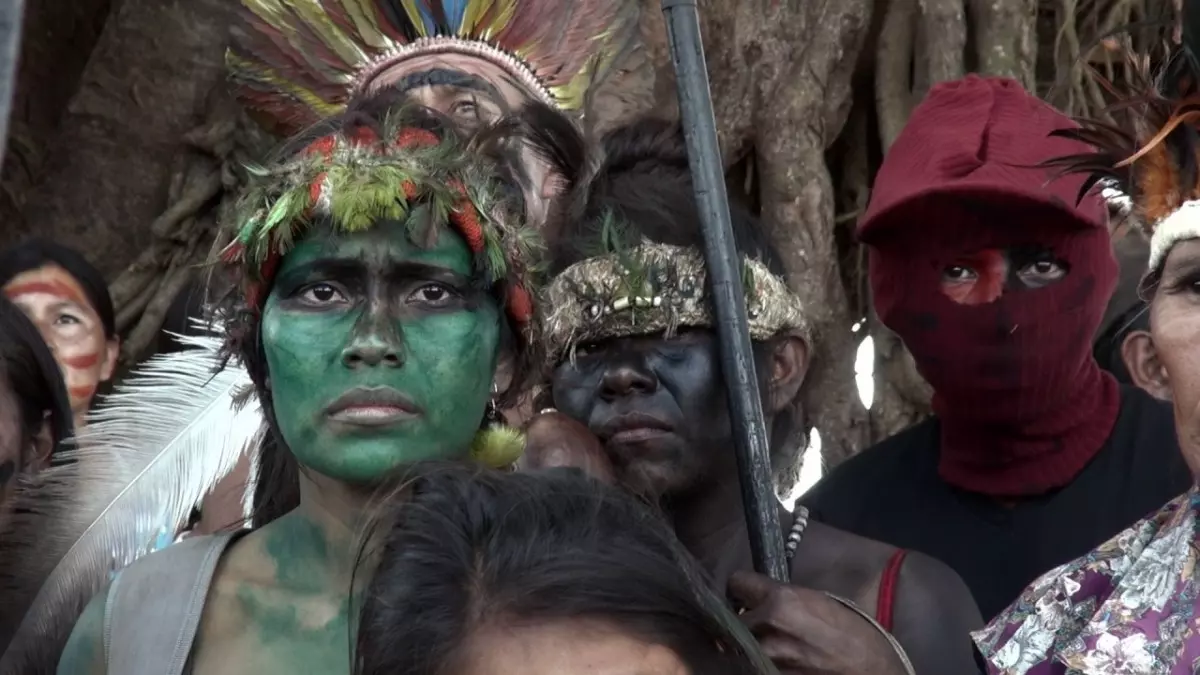
The Guarani Kaiowa are two related Indigenous peoples, the Guarani and the Kaiowa, who live mostly in Mato Grosso do Sul in western Brazil. They have long-running land disputes with farm owners, and many live in small villages called aldeias.
The National Force, formally the Força Nacional de Segurança Pública, is a federal unit made up of police officers and firefighters lent by the states. The Justice Ministry sends it where local forces need help, and it already works in Guarani Kaiowa territories in the state.
What Happened in the Guarani Kaiowa Villages
On Saturday 31 October, Eloy Terena, Brazil’s Minister of Indigenous Peoples, and Janine Mello, the Minister of Human Rights and Citizenship, visited two villages. These were Taquapery in Coronel Sapucaia and Sassoró in Tacuru, where they heard the complaints first-hand from community leaders.
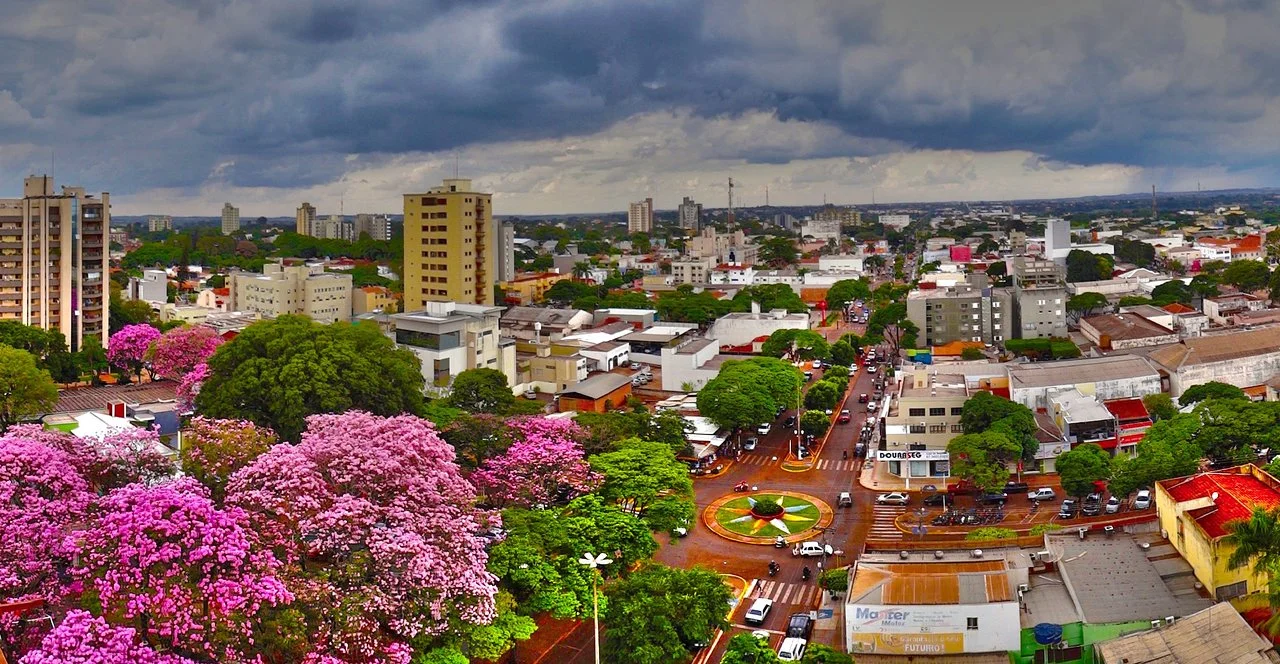
In the city of Dourados, Justice and Public Security Minister Wellington César Lima e Silva met federal and state security chiefs, including the National Force. The three ministers then held a joint press conference in the early afternoon.
The government says its teams have been receiving and sorting complaints since Monday 26 October. Funai, the federal agency for Indigenous affairs, moved staff into the villages where complaints originated.
What the Threats Were
The government describes the complaints as threats, racism and violence against Indigenous people after the 25 October runoff, especially in Mato Grosso do Sul. Minister Lima e Silva said the specific cases are already under investigation at an advanced stage and that those responsible will answer for it.
Victims and witnesses should use official channels, such as the military police on 190 in an emergency, the civil police and the Disque 100 hotline. Officials also ask people to keep proof, including screenshots, audio and video.
What the Government Will Do
Minister Lima e Silva said the National Force would adopt a procedure in which teams stay in the field. They will travel at once to any incident that looks criminal or severe, and he promised that those responsible would be held to account.
The Federal Police, Brazil’s national investigative police, told its Campo Grande office and five inland stations to work on the cases around the clock. A working group will pass complaints to investigators minute by minute.
Minister Mello said the task force would stay for as long as needed, working with the Justice Ministry, the Federal Police, public defenders and prosecutors. She also offered the federal protection programme for human rights defenders, which follows 90 people in Mato Grosso do Sul.
The Numbers So Far
By Friday 30 October, the Human Rights ministry had logged 189 complaints from across Brazil about political violence and discrimination linked to the 2026 elections. They include physical attacks, xenophobia and, most often, pressure on workers over how they vote.
The Indigenous Peoples ministry received 10 complaints from Indigenous communities, and all have been passed to investigators. Of 90 people in the state’s protection programme, 86 are Indigenous: two Terena and the rest Guarani Kaiowa.
What It Means for US Readers
Brazil is one of the largest economies in the Americas, and Mato Grosso do Sul is a major farming state. Land and rights disputes there can draw attention from investors, buyers and human rights groups abroad.
A calm handling of the threats would show that Brazil’s institutions are working after a heated election. Further violence would add to questions about political tension in a country that many US companies and travellers rely on.
What Is Not Known
The government has not said how many National Force officers are in the villages or how long they will stay. It also has not said how many of the 10 complaints came from Mato Grosso do Sul.
The ministries’ statements on 31 October mention no arrests or charges. Lima e Silva said officials must identify what is real and what holds up, and then establish who is responsible.
More: Brazil news in English, every day from The Rio Times.
Frequently Asked Questions
Who are the Guarani Kaiowa?
The Guarani Kaiowa are two related Indigenous peoples who live mainly in Mato Grosso do Sul, a farming state in western Brazil. They have long-running land disputes with farm owners.
What is the National Force?
It is a federal unit of police officers and firefighters lent by the states. The Justice Ministry sends it where local forces need help.
What did the government announce on 31 October 2026?
Two ministers visited two Guarani Kaiowa villages, and the Justice minister met police chiefs in Dourados and promised a fast response to serious incidents. A task force will stay as long as needed.
How can people report threats?
In an emergency they can call the military police on 190, and the Disque 100 human rights hotline takes reports. Officials ask people to keep screenshots, audio and video as proof.
How many complaints has the government received?
The Human Rights ministry had 189 election-related complaints nationwide by 30 October 2026. The Indigenous Peoples ministry has passed 10 to investigators.
Sources: Ministry of Justice and Public Security, press release ‘Governo Federal reforça proteção de comunidades indígenas em Mato Grosso do Sul’ (31 October 2026), 31 October 2026; Ministry of Human Rights and Citizenship, press release on the ministers’ visit to Mato Grosso do Sul (31 October 2026), 31 October 2026.
This article was produced by The Rio Times’ automated newsroom system. How we use AI · Report an error · Editorial responsibility: Matthias Camenzind, Editor-in-Chief
Brazil runoff, Sunday, October 25: Brazil runoff: date, poll closing times and when results start. Latest: Brazil runoff polls, Flávio 51%, Lula 49%.