Brazil Election Security Adds Abin and the Armed Forces

Brazil · ELECTIONS
Key Facts
- —What happened Brazil’s election court created two new security bodies for the October 2026 vote, uniting police, intelligence and the military.
- —How big a jump The new structure adds Abin, the Federal Police and the Armed Forces to a single election security command.
- —The catch Troops must stay 100 metres from polling stations and cannot enter without authorisation around voting hours.
- —Who it touches The NIAE covers infrastructure like power and telecoms, while NIGDE protects voters, staff and judges.
- —What comes next Free campaign airtime starts 28 August 2026, with the first round vote set for October.
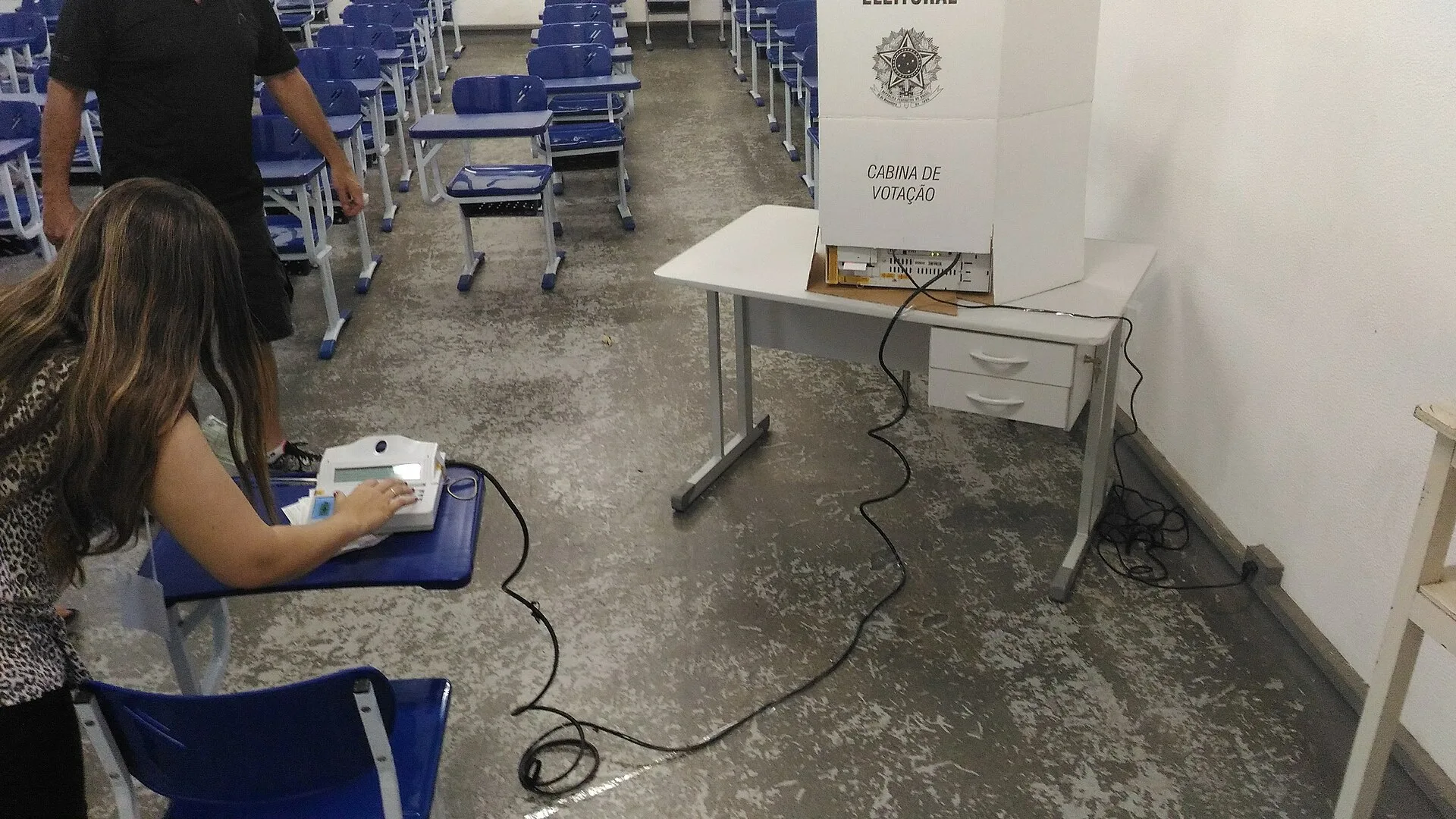
Strict rules still keep soldiers at least 100 metres from the ballot box.
Brazil election security takes a new shape for the October 2026 vote. The Superior Electoral Court has created two coordination bodies bringing together the Federal Police, the Abin intelligence agency and the Armed Forces.
The new structure aims to keep the election running smoothly and safely, according to the court’s orders.
What Are the New Election Security Bodies?
On 20 August 2026 the Superior Electoral Court created two new bodies for the October elections. They were set up by orders 528 and 529.
They are called the Nucleo Institucional de Apoio Eleitoral (NIAE) and the Nucleo Institucional de Garantia dos Direitos Eleitorais (NIGDE). The NIAE will include the Armed Forces, the Federal Police, the Federal Highway Police and the Abin intelligence agency.
The national public security secretariat joins them, along with the regulators for electricity, telecoms and the power grid. In addition, the NIGDE focuses on lawful candidate behaviour and the safety of voters, court staff and judges.
Why the Armed Forces Are Involved
The Armed Forces are part of the NIAE. Its job is to head off problems in the services and structures the election depends on.
However, their role is strictly limited by TSE resolution 23.751 of 2026. Under that resolution, the Armed Forces may support the court but must stay at least 100 metres from polling stations.
Furthermore, they may not enter voting places without authorisation in the 48 hours before and 24 hours after the vote.
The Climate Room Joins the Effort
A third body, the Sala Nacional de Situacao Climatica para as Eleicoes 2026, was created the same day by order 527. It monitors weather and flood risks and natural disasters that could disrupt the vote.
The climate room is itself part of the NIAE. Therefore, the election security structure now includes a dedicated unit for climate-related disruptions.
Who Leads the Electoral Court
Justice Nunes Marques is the president of the TSE, the court that oversees Brazilian elections. He presides over the body that issued the orders creating the new security structures.
Meanwhile, the TSE continues to set the rules for the entire electoral process. As a result, the new bodies operate under the court’s authority.
Free Airtime for Candidates
Free campaign airtime on radio and television for the first round runs from 28 August to 1 October 2026. Of the total airtime, 90% is shared out in proportion to how many federal deputies each party elected in 2022.
The remaining 10% is split equally among parties that cleared the performance threshold. This airtime is a key part of the election campaign, and the new security bodies will help ensure it runs without disruption.
How the NIAE Coordinates Agencies
The NIAE brings together the Federal Police, the Federal Highway Police, the Abin intelligence agency, and the national public security secretariat. It also includes regulators for electricity, telecoms and the power grid: ONS, Anatel and Aneel.
By coordinating these agencies, the NIAE aims to prevent and solve problems in the services and structures the election depends on. For example, it can address power outages or telecom failures that might affect voting.
What the NIGDE Does for Voter Safety
The NIGDE is meant to make sure candidates behave lawfully and that voters, court staff and judges are safe. This body focuses on the human side of election security.
In contrast, the NIAE focuses on infrastructure and services. Together, they cover both the physical and operational aspects of Brazil election security.
Where Abin Fits Into Brazil Election Security
Abin is Brazil’s civilian intelligence agency, and it is part of the NIAE. Its inclusion means the election security effort has access to intelligence analysis.
Although Abin is civilian, it works alongside the Armed Forces in the NIAE. This mix of civilian and military expertise is designed to strengthen the overall response.
What Brazil Election Security Looks Like in October
With the new bodies in place, Brazil election security is set for the October 2026 vote. The TSE has created a comprehensive framework that addresses both infrastructure and human safety.
Even so, the Armed Forces remain under strict limits, ensuring they support rather than run the election. In short, the new structure aims to keep the vote free, fair and secure.
More: Brazil news in English, every day from The Rio Times.
What does Brazil election security include?
Brazil election security now runs through the NIAE and NIGDE. They coordinate the Federal Police, the Armed Forces, Abin and several regulators.
Can the Armed Forces enter polling stations during the election?
No, under TSE resolution 23.751, the Armed Forces must stay at least 100 metres from polling stations. They may not enter voting places without authorisation in the 48 hours before and 24 hours after the vote.
What is the climate room for the 2026 elections?
The climate room watches weather, flood risk and natural disasters that could disrupt the vote. It is part of the NIAE, so it works within the broader election security structure.
How is free campaign airtime allocated?
Free campaign airtime on radio and television runs from 28 August to 1 October 2026. Of the total, 90% follows how many federal deputies each party elected in 2022.
Connected Coverage
Sources: TSE; Brazilian official gazette; national press coverage.
Frequently Asked Questions
This article was produced by The Rio Times’ automated newsroom system. How we use AI · Report an error · Editorial responsibility: Matthias Camenzind, Editor-in-Chief