Brazil Bank CEO Says Fiscal Fix Is Possible
Bradesco’s chief executive says Brazil’s political climate favours a fiscal fix, as the bill meant to improve the 2027 budget balance heads to President Lula for signature.

Economy: Brazil
Marcelo Noronha, chief executive of Bradesco, Brazil’s second-largest private bank, called a fiscal fix “necessary and possible” on Monday 23 November 2026. In a television interview he said the political climate favours passing the measures.
The Chamber of Deputies, Brazil’s lower house, passed the government’s fiscal bill late that day, 353 votes to 128 on the main text, and finished its work in the early hours of Tuesday without changes. Bradesco’s shares trade in New York as BBD, a US-listed share certificate, so its view of Brazil’s budget reaches US investors directly.
Key Facts
- Who. Marcelo Noronha, chief executive of Bradesco, Brazil’s second-largest private bank.
- What. The lower house passed the fiscal bill unchanged, 353 votes to 128 on the main text.
- Money. The government estimates a 2027 budget gain of US$7.6 billion to US$9.5 billion before interest.
- Power Index. Brazil ranks 1st of 14 in The Rio Times Latin America Power Index, with 74.2 points (November 2026 edition).
- As of. 24 November 2026, 08:30 GMT.
Bradesco’s chief executive says Brazil’s political climate favours a fiscal fix, as the bill meant to improve the 2027 budget balance heads to President Lula for signature.
Noronha said in the interview (translated): “I think the political environment is also favourable to these approvals.” He added that the incoming Lula government should act to balance the public accounts.
The bill went through the Senate first, which approved the main text on Thursday 12 November 2026 by 45 votes to 31, according to the Senate’s vote record. Eduardo Braga, a senator from Amazonas state and the centrist MDB party, was the rapporteur, the lawmaker who steers a bill.
The Senate finished its work on Wednesday 18 November, rejecting several amendments, one of them by 47 votes to 30, and approving a final round by 69 to 2, its records show. In the Chamber, rapporteur Mauro Benevides Filho of the centre-right União Brasil party, from Ceará state, made no change of substance on Monday.
The Chamber approved the bill without changes and finished early on Tuesday 24 November, so it does not return to the Senate. It now goes to President Luiz Inácio Lula da Silva for signature, the Chamber says.
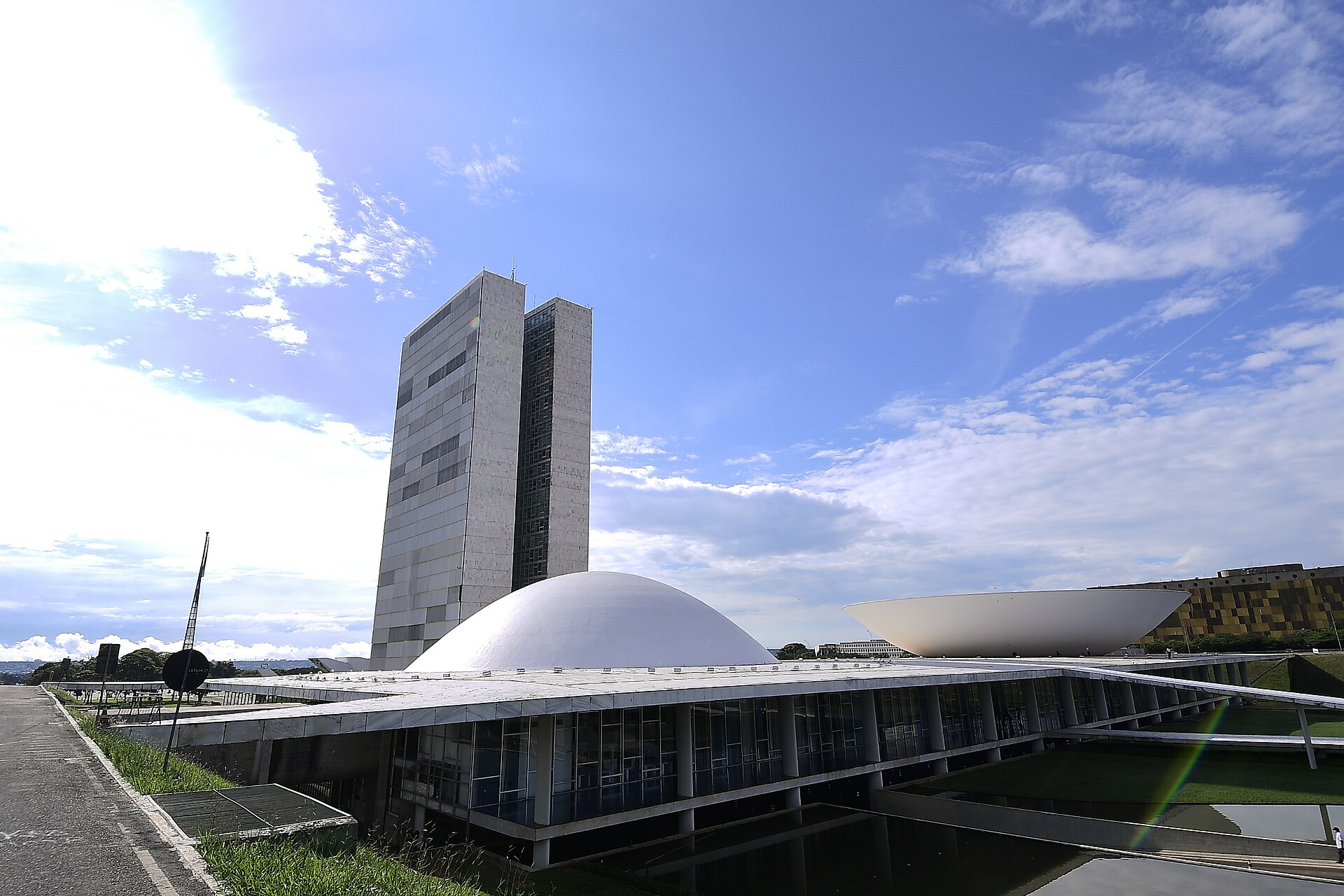
The bill, numbered PLP 299/2026, is a “complementary law” bill that rewrites parts of the budget rules, as set out in the bill text passed by the Chamber. It lets the government freeze spending aimed at the centre of the fiscal target rather than the lower edge.
In years when it does so, real growth of primary spending, which excludes interest payments, is capped at 2% a year from 2027, the bill text says. That replaces the 2.5% ceiling of the fiscal framework, Brazil’s rule that limits how fast spending can grow.
The government may also reduce, by decree, the offsetting of tax debts with credits from other taxes, the bill text adds. The Executive, meaning the government, estimated at the time of the Senate vote that the measures lift the 2027 balance before interest payments by R$45.1 billion to R$56.1 billion (US$7.6 billion to US$9.5 billion).
All conversions use the market close of 23 November 2026, R$5.93 per US$1. The Chamber’s own summary adds that the extra freeze applies from 2027 and reaches only spending of the Executive branch.
Noronha cited forecasts of 0.4% to 0.5% growth in gross domestic product (GDP) for next year in the interview on 23 November. He called it “low growth” (translated) but said that “with the right measures” Brazil could grow again in the second half of next year.
On interest rates he said they “will fall, naturally, after the fiscal adjustment”. He said the adjustment could ease pressure on rates in the short, medium and long term, depending on the measures adopted.
Noronha said markets are waiting to learn who will run the Finance Ministry, which manages the federal budget, and the economic team of the incoming government. He summed up the outlook (translated): “It is not an encouraging scenario, but it is what we have.”
Noronha said the adjustment is needed to let Brazil gain competitiveness, growth and development while keeping its social gains. Lula has up to 15 working days to sign the bill, and no signing date has been announced.
It is not yet known when Lula will sign the bill. For holders of BBD in New York, that date and the Finance minister’s name are the two open points.
Frequently Asked Questions
What did the Bradesco chief executive say about interest rates?
He said rates will fall naturally after the fiscal adjustment, which he called necessary and possible. He added that the effect depends on the measures adopted.
What does the fiscal bill do?
It lets the government freeze more spending and tightens the cap on spending growth in those years. It also lets the government limit, by decree, the offsetting of tax debts.
Is the bill law yet?
Not yet. The Chamber has passed it without changes, and President Lula must now sign it or veto it.
Sources
Câmara dos Deputados (lower house) · Senado Federal (upper house) · Bradesco Investor Relations (the bank)
Connected Coverage
Brazil news · Brazil Banker Says Fiscal Plan Falls Short · Bradesco Chairman Says Brazil Costs Rose · Latin America Power Map
This article was produced by The Rio Times’ automated AI newsroom. Editorial responsibility: Matthias Camenzind, Publisher and Editor-in-Chief. The Rio Times also runs Ask Rio Times, which answers from 100,000+ of our own articles, the daily Latin America Power Map, and prediction-market odds on elections and markets.. How we use AI · Report an error
Brazil runoff, Sunday, October 25: Brazil runoff date. Latest: Brazil runoff polls, Flávio 51%, Lula 49%.