US Rare Earth Firm Flags Brazil Law Risk
A US-listed rare earths company has put Brazil’s new minerals law on its list of business risks, while saying the regulations that would give the law teeth are still to come.

Business: Brazil
USA Rare Earth, a Nasdaq-listed maker of rare earth magnets (ticker USAR), told investors in its quarterly report filed with the US Securities and Exchange Commission (SEC) on 12 November 2026 that Brazil’s new critical minerals law could hurt its operations. The company, which closed its US$2.57 billion purchase of Brazilian miner Serra Verde on 3 September, says the law’s rules are not yet written.
For US investors the issue is simple: the heavy rare earths that Serra Verde digs in Brazil’s Goiás state are meant to supply a US-backed mine-to-magnet chain, and Brasília now holds powers over foreign ownership and exports. The filing does not say that any restriction is coming.
Key Facts
- Who. USA Rare Earth (Nasdaq: USAR), owner of Brazil’s Serra Verde rare earths mine since 3 September 2026.
- What. Its quarterly report warns Law 15,506, signed 16 September 2026, could limit its Brazilian business.
- Deal. Serra Verde cost about US$2.57 billion: US$300 million cash plus 126.8 million shares.
- Power Index. Brazil ranks 1st of 14 in The Rio Times Latin America Power Index, with 74.2 points (November 2026 edition).
- As of. Monday 23 November 2026, 11:30 GMT.
A US-listed rare earths company has put Brazil’s new minerals law on its list of business risks, while saying the regulations that would give the law teeth are still to come.
In its quarterly report for the three months to 30 September, filed with the SEC on 12 November, USA Rare Earth wrote that Brazil had “recently increased its focus on critical and strategic minerals, and future measures, including any relating to foreign ownership, local processing or export of strategic minerals, could adversely affect our operations”. The filing then names Law No. 15,506/2026 and says it and its unfinished regulations “could impose new requirements” on the Brazilian subsidiary, among them restrictions, disclosure duties, investment screening and contributions to a government-backed industry fund.
President Luiz Inácio Lula da Silva signed that law on 16 September 2026, according to the text published by the Presidency at planalto.gov.br. It creates a National Policy on Critical and Strategic Minerals and a council, known as CIMCE, to run it.
Article 3 of the law makes government approval necessary for changes of corporate control in companies that hold rights to such minerals, for relevant stakes held by foreign companies, and for international supply contracts that could affect economic or geopolitical security. Article 8 lets future regulations set export conditions, such as value-addition requirements, and require reports on export volumes, destinations and final buyers.
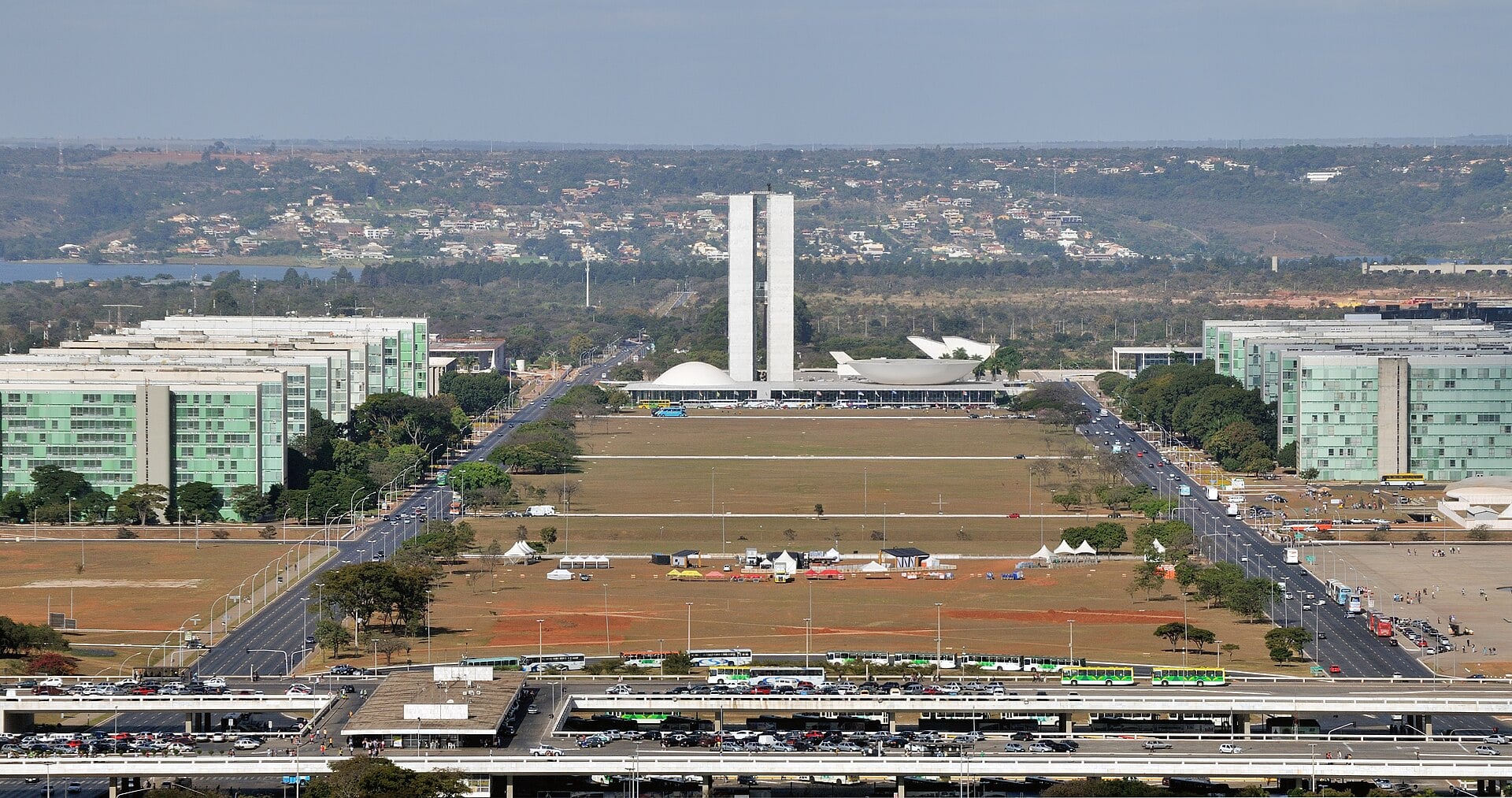
The council approved its list of 27 critical and strategic minerals on 5 November 2026, at its first plenary meeting, the Ministry of Mines and Energy said that day. Rare earths are on the list, which the ministry says is what triggers screening of strategic corporate deals.
“Estamos reforçando a soberania sobre nossas riquezas” (“We are reinforcing sovereignty over our riches”), Mines and Energy Minister Alexandre Silveira said at that meeting, according to the ministry’s statement of 5 November. The ministry did not say how the screening will treat contracts that were signed before the law.
The stakes for USA Rare Earth sit in one contract. On 20 April 2026, a Serra Verde subsidiary agreed to sell the output of the first phase of the Pela Ema mine to US SIIE, LLC, a buyer backed by US government commitments, under a long-term purchase contract (an offtake agreement) that the company expects to run about 15 years, its 10-Q says.
Prices are floored at US$2,050 per kilogram of terbium oxide, US$575 for dysprosium and US$110 each for neodymium and praseodymium. The filing says the US side’s financial commitments include US$750 million of funding to US SIIE, a condition it reports as met on 21 August 2026, and that sales of a heavy rare earth carbonate to US SIIE began in November.
USA Rare Earth also tells investors that on 25 April 2026 a Brazilian political party asked the Supreme Court to review constitutional concerns about national interest in strategic minerals in connection with the Serra Verde merger. The company adds that both that petition and a separate complaint to Brazil’s Attorney General remain under analysis.
It does not report any decision to block or condition its exports. Brazil has not said how it will use its new powers over exports and foreign stakes, and the company has not said how large an effect it expects.
The council’s rules of procedure and the screening criteria are the next steps to watch, because they will show whether the law changes the terms of contracts that already exist.
Frequently Asked Questions
Is USA Rare Earth’s Brazilian business under restriction now?
No. The company’s 10-Q describes possible future requirements and says the implementing rules are not final.
Why does a Brazilian law matter to US investors?
The company’s mine-to-magnet plan depends on rare earths from Serra Verde, so any new Brazilian conditions on exports or foreign ownership could affect US supply and the share price.
What is a critical minerals list?
It is a government list of raw materials treated as vital for industry or security; being on Brazil’s list opens access to state support and brings deal screening.
Sources: USA Rare Earth, Inc., Form 10-Q for the quarter ended 30 September 2026, filed 12 November 2026 (sec.gov/Archives/edgar/data/1970622/000197062226000072/usar-20260930.htm); Presidency of Brazil, Lei nº 15.506/2026 (planalto.gov.br/ccivil_03/_ato2023-2026/2026/lei/L15506.htm); Ministry of Mines and Energy, news release of 5 November 2026 (gov.br/mme/pt-br/assuntos/noticias/novembro-26/cimce-aprova-lista-de-minerais-criticos-e-estrategicos-da-pnmce).
This article was produced by The Rio Times’ automated AI newsroom. Editorial responsibility: Matthias Camenzind, Publisher and Editor-in-Chief. The Rio Times also runs Ask Rio Times, which answers from 100,000+ of our own articles, the daily Latin America Power Map, and prediction-market odds on elections and markets.. How we use AI · Report an error
Brazil runoff, Sunday, October 25: Brazil runoff date. Latest: Brazil runoff polls, Flávio 51%, Lula 49%.
Read More from The Rio Times