Brazil Approves US$2.5 Billion State Credit Deal, US$1 Billion for São Paulo
Brazil · Economy
Key Facts
- —The package Brazil’s Treasury cleared five new state credit operations worth roughly R$13 billion (about US$2.5 billion).
- —São Paulo the biggest slice is R$5.4 billion (about US$1 billion) from Banco do Brasil, backed by a federal guarantee.
- —The guarantee stock since 2023 the Union has authorized R$270 billion in guaranteed credit to states and cities.
- —What it funds new São Paulo metro and rail lines, plus the widening of the Rodovia dos Tamoios highway.
- —The resolution the deal was signed on 12 August, hours after São Paulo asked the Supreme Court to force the minister’s hand.
The São Paulo loan was signed just hours after the state ran to the Supreme Court, defusing a rare federal clash.
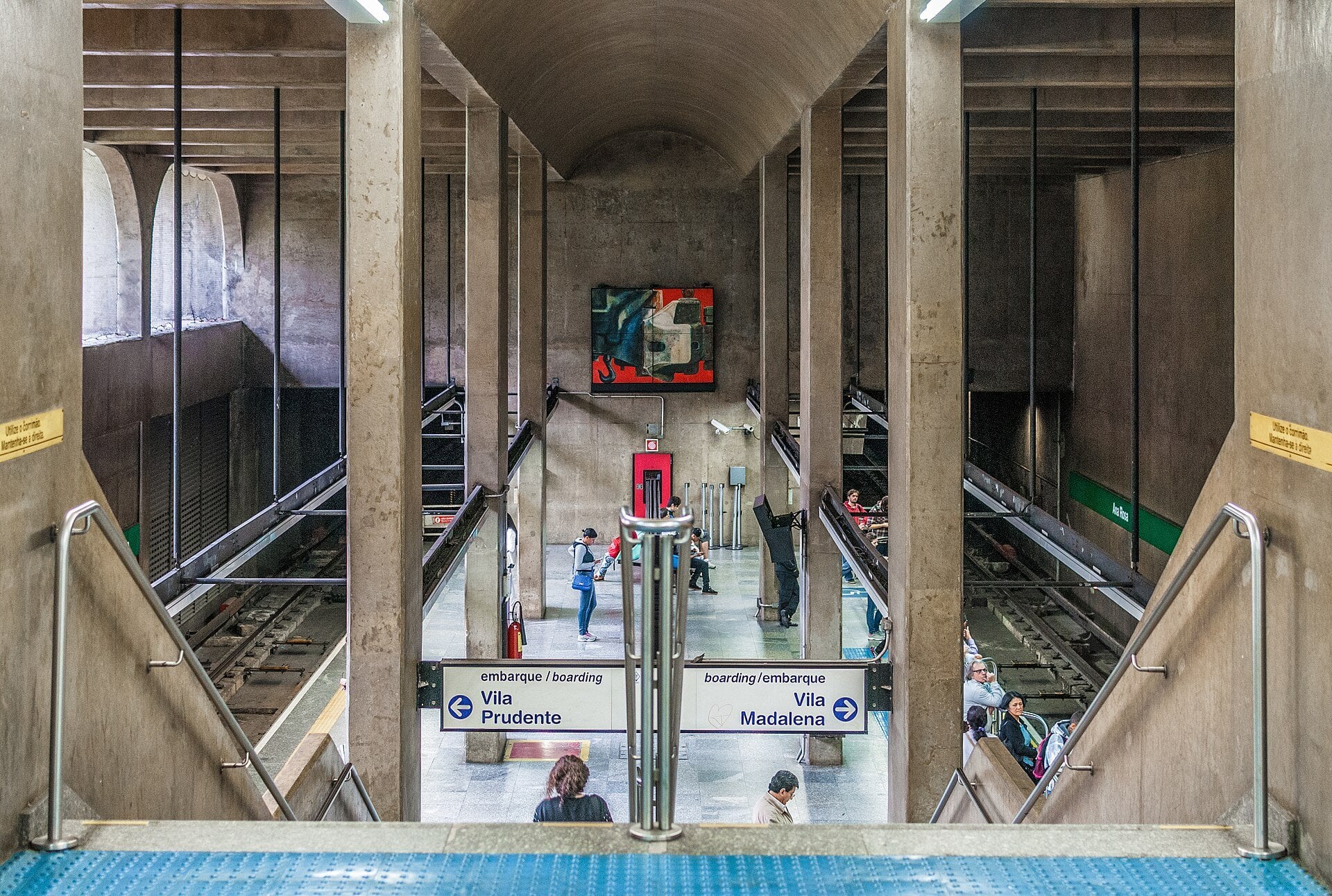
Brazil has approved about R$13 billion in new state credit. Resolving a standoff that had dragged São Paulo’s governor to the Supreme Court.
The Treasury signed off on five loan operations, with São Paulo taking the largest at R$5.4 billion, or roughly US$1 billion. As a result, a rare public clash between Brasília and its richest state has quietly ended.
A standoff that reached the top court
For weeks, São Paulo had waited for Brasília to sign off on a loan it said was already approved on the merits. Because the minister had not signed, the state escalated.
So on 11 August, Governor Tarcísio de Freitas asked the Supreme Court to compel the Finance Ministry to act within 48 hours. The move turned a paperwork delay into a headline dispute.
The state had first requested the federal guarantee back in November 2025. Since then, the Treasury and its legal team had already issued favorable opinions in May 2026.
In other words, the loan had cleared every technical hurdle. Still, the final signature had stalled, and that gap is what sent lawyers to the court.
How the state credit deal was resolved
The answer came fast. On the night of 12 August, Deputy Finance Minister Dario Durigan signed the dispatch granting the state credit and the federal guarantee.
The authorization was published in the official gazette on 14 August. Therefore the core of the dispute, the missing signature, simply disappeared.
The timing was striking. The signature landed only hours after São Paulo had filed its urgent request at the court.
Because the deal was already sound, the ministry framed the move as routine. Even so, few missed the speed once the court was involved.
Live Company IntelligenceBanco do Brasil S.A. — the full investor dossier
Valuation & profitability
Price & risk
$17.6752-wk high
$27.36
Revenue trend · 6y
Ownership
Dividend
What the São Paulo loan is worth
The exact figure authorized was R$5.453 billion, or about US$1 billion at mid-August rates near R$5.2 per dollar. The funding comes from Banco do Brasil.
The Union, through the Treasury, acts as guarantor. In short, if the state ever defaulted, the federal government would cover the debt.
That backing matters because it lowers the interest rate the state pays. As a result, borrowing becomes far cheaper than it would be on São Paulo’s own credit.
The loan itself was first requested in late 2025. Since then, it had become the biggest single guarantee in the new batch of five.
The five states in the state credit batch
São Paulo was not alone. The same batch cleared credit for Piauí, Maranhão, Pernambuco and Rondônia.
Piauí’s operation, at R$4.9 billion, was the second largest. Together, São Paulo and Piauí alone account for R$10.3 billion of the roughly R$13 billion total.
The other three loans were smaller and drew on different banks. For instance, Pernambuco’s deal runs through Caixa, while Rondônia’s uses Bradesco.
What the money will build
For São Paulo, the loan targets transport above all. It funds work on Metro Line 6 (Orange) and Line 5 (Lilac), plus several suburban rail lines.
It also pays for widening the Rodovia dos Tamoios highway. In addition, state law allows the cash to reach health and security projects.
These are long-lived assets that outlast any single budget year. That is why states prefer cheap, guaranteed credit over paying cash up front.
Metro Line 6, in particular, has been under construction for years. Because it is costly, fresh financing helps keep the project moving toward completion.
Why the guarantee stock keeps growing
Every guaranteed loan adds to a rising federal exposure. Since the start of the current government in 2023, the Union has authorized R$270 billion in such credit.
The wider stock of outstanding guarantees is even larger. By the end of 2025, it stood near R$336 billion across states, cities and their companies.
For context, states alone accounted for roughly R$230 billion of that stock. Because guarantees are contingent, they sit off the headline budget yet still carry real risk.
Why the delay became so political
São Paulo is run by Tarcísio, a likely rival to President Lula’s camp in 2026. As a result, a routine loan file carried political weight.
The state argued it was being treated unfairly. Even so, the ministry says it has approved almost R$30 billion in guarantees for São Paulo since 2023.
That figure, the ministry notes, is more than triple the state’s historical average. In short, both sides read the same numbers very differently.
What the resolution means for Brasília
The quick signature lets the government argue it plays fair, despite the rivalry. Yet the trip to the Supreme Court still exposed real friction.
For now, the guarantee is granted and the money can flow. Because the substance is settled, the court case loses its urgency.
The episode also sets a template for future fights. When a file stalls, states now know a court filing can force a fast answer.
For investors, the message is calmer. Despite the drama, Brazil kept funding subnational projects through its usual channels.
What happens next
São Paulo can now contract the loan with Banco do Brasil and start drawing funds. Meanwhile, the four other states move ahead with their own operations.
The Treasury will keep signing similar deals as demand grows. Still, each new guarantee tightens the federal government’s long-term balance sheet.
Analysts will watch how fast the metro and highway works actually begin. After all, approval is only the first step toward finished infrastructure.
More: Brazil news, every day from The Rio Times.
Frequently Asked Questions
How much state credit did Brazil approve?
The Treasury cleared five operations worth roughly R$13 billion, about US$2.5 billion, for five different states.
How big is the São Paulo loan?
It is R$5.453 billion, or about US$1 billion, funded by Banco do Brasil and guaranteed by the federal Treasury.
Did this end the Supreme Court dispute?
Yes, in substance. The minister signed the authorization hours after São Paulo filed, so the missing signature is no longer an issue.
What will the São Paulo money fund?
Mainly transport, including Metro Lines 6 and 5, suburban rail upgrades and the widening of the Rodovia dos Tamoios highway.
Connected Coverage
Sources: Diário Oficial da União; Poder360; Valor Econômico.
This article was produced by The Rio Times’ automated newsroom system. How we use AI · Report an error
Read More from The Rio Times