IBOV 187,502.60 ▲ 1.01% IPSA 11,284.97 ▼ 0.75% IPC MEX 64,479.96 ▼ 0.52% MERVAL 3,107,396 ▼ 0.09% COLCAP 2,580.41 ▼ 0.14% BVL PERÚ 60,702.89 ▼ 1.24% USD/BRL5.09▼ 0.34% USD/MXN16.97▲ 0.43% USD/CLP939.70▲ 1.30% USD/COP3,096▼ 0.68% USD/PEN3.37▲ 0.46% USD/ARS1,512▼ 0.12% USD/UYU40.24▲ 3.05% USD/PYG5,868▲ 2.26% USD/BOB12.36▲ 1.91% USD/DOP58.60▲ 0.17% USD/CRC447.58▲ 1.69% USD/GTQ7.63▲ 3.04% USD/HNL26.85▲ 0.57% USD/NIO36.62▲ 0.34% USD/VES825.67▼ 0.13% USD/PAB1.00— 0.00% USD/BZD2.00— 0.00% USD/JMD 157.28 — 0.00% USD/TTD6.73▲ 2.40% EUR/BRL5.92▲ 0.15% BRENT 88.88 ▼ 0.03% WTI 83.11 ▼ 0.11% IRON ORE 161.91 — — COPPER 6.61 ▲ 0.03% GOLD 4,461 ▲ 1.78% SILVER 65.59 ▲ 1.26% SOY 1,184 ▲ 3.20% CORN 480.50 ▲ 10.02% WHEAT 655.00 ▲ 3.93% COFFEE 317.25 ▼ 5.51% SUGAR 16.43 ▼ 1.79% ORANGE JUICE 138.55 ▼ 0.47% COTTON 85.03 ▲ 2.33% COCOA 5,719 ▲ 3.18% BEEF 223.60 ▼ 3.93% CATTLE 339.10 ▼ 3.16% LITHIUM 75.20 ▲ 1.47% PETR4 41.64 ▼ 0.05% VALE3 72.97 ▲ 0.83% ITUB4 38.60 ▼ 1.03% BBDC4 16.85 ▲ 0.36% ABEV3 14.89 ▼ 0.80% BBAS3 19.37 ▲ 0.47% B3SA3 14.26 ▼ 0.21% WEGE3 47.59 ▲ 0.49% PRIO3 59.14 ▼ 0.19% SUZB3 41.33 ▲ 2.35% RENT3 34.68 ▼ 0.09% AZZA3 15.89 ▼ 2.63% CSAN3 3.22 ▼ 1.83% RAIZ4 0.25 — 0.00% PCAR3 2.75 ▼ 0.36% GMAT3 3.65 ▼ 1.08% PSSA3 48.13 ▼ 0.54% CVCB3 1.33 ▼ 2.92% POSI3 3.36 ▲ 2.44% SLCE3 13.34 ▲ 0.30% NATU3 8.14 ▼ 0.73% IBOV 187,502.60 ▲ 1.01% IPSA 11,284.97 ▼ 0.75% IPC MEX 64,479.96 ▼ 0.52% MERVAL 3,107,396 ▼ 0.09% COLCAP 2,580.41 ▼ 0.14% BVL PERÚ 60,702.89 ▼ 1.24% USD/BRL 5.16 ▲ 0.01% USD/MXN 17.06 ▼ 0.24% USD/CLP 913.98 ▲ 0.04% USD/COP 3,140 ▲ 0.03% USD/PEN 3.36 ▼ 0.66% USD/ARS 1,493 ▲ 0.10% USD/UYU 40.27 ▲ 1.24% USD/PYG 5,939 ▲ 1.68% USD/BOB 11.64 ▼ 0.76% USD/DOP 58.34 ▲ 1.25% USD/CRC 445.92 ▲ 0.89% USD/GTQ 7.62 ▲ 2.21% USD/HNL 26.79 ▲ 1.57% USD/NIO 36.62 ▲ 0.69% USD/VES 762.44 ▼ 0.13% USD/PAB 1.00 — 0.00% USD/BZD 2.00 — 0.00% USD/JMD 157.28 — 0.00% USD/TTD 6.70 ▲ 0.61% EUR/BRL 5.95 ▲ 1.01% BRENT 88.88 ▼ 0.03% WTI 83.11 ▼ 0.11% IRON ORE 161.91 — — COPPER 6.61 ▲ 0.03% GOLD 4,461 ▲ 1.78% SILVER 65.59 ▲ 1.26% SOY 1,184 ▲ 3.20% CORN 480.50 ▲ 10.02% WHEAT 655.00 ▲ 3.93% COFFEE 317.25 ▼ 5.51% SUGAR 16.43 ▼ 1.79% ORANGE JUICE 138.55 ▼ 0.47% COTTON 85.03 ▲ 2.33% COCOA 5,719 ▲ 3.18% BEEF 223.60 ▼ 3.93% CATTLE 339.10 ▼ 3.16% LITHIUM 75.20 ▲ 1.47% PETR4 41.64 ▼ 0.05% VALE3 72.97 ▲ 0.83% ITUB4 38.60 ▼ 1.03% BBDC4 16.85 ▲ 0.36% ABEV3 14.89 ▼ 0.80% BBAS3 19.37 ▲ 0.47% B3SA3 14.26 ▼ 0.21% WEGE3 47.59 ▲ 0.49% PRIO3 59.14 ▼ 0.19% SUZB3 41.33 ▲ 2.35% RENT3 34.68 ▼ 0.09% AZZA3 15.89 ▼ 2.63% CSAN3 3.22 ▼ 1.83% RAIZ4 0.25 — 0.00% PCAR3 2.75 ▼ 0.36% GMAT3 3.65 ▼ 1.08% PSSA3 48.13 ▼ 0.54% CVCB3 1.33 ▼ 2.92% POSI3 3.36 ▲ 2.44% SLCE3 13.34 ▲ 0.30% NATU3 8.14 ▼ 0.73%
since 2009
Thursday, September 10, 2026

Africa Nigeria

Billions Spent, Blackouts Persist: Nigeria’s Electricity Crisis

By · October 21, 2024 · 2 min read

Africa Intelligence

One email, every weekday morning. African markets, politics and business — filed from our newsroom in Rio.

Yesterday’s subject line: “Nigeria's Dangote signs for Africa's biggest IPO ever”

Free. We send a confirmation link first — nothing arrives until you click it. Unsubscribe with one click in any edition. If you stop opening us for 30 days we stop sending by ourselves, as we assume the interest is no longer there. See our privacy policy. We never share your email.

Nigeria’s electricity sector has faced significant challenges over the past ten years. The country has experienced a staggering 105 national grid collapses during this period.

These frequent power outages have occurred despite substantial investments in the sector. The administrations of President Bola Tinubu and his predecessor Muhammadu Buhari have overseen these grid failures.

During this time, Nigeria secured loans totaling $1.4 billion specifically for power sector improvements. These funds were meant to address the ongoing issues plaguing the country’s electricity supply.

According to research by Punch newspapers, Nigeria obtained about ten loans from the World Bank. The total value of these loans reached $4.36 billion over the past decade.

These funds were intended to tackle key challenges in the power sector. Not all of the World Bank loans have been fully disbursed yet.
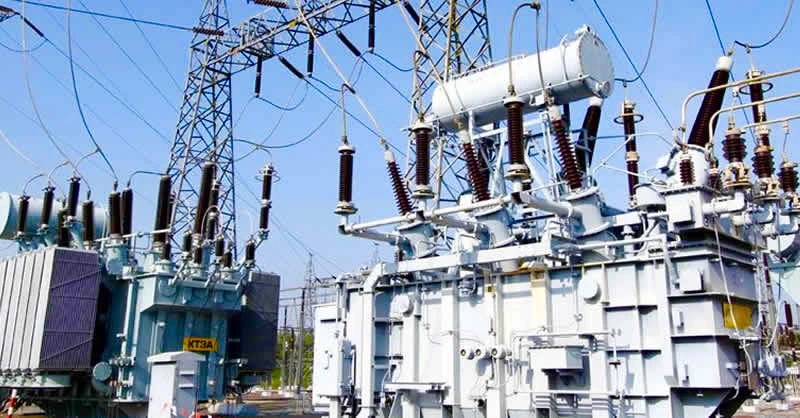
Billions Spent, Blackouts Persist: Nigeria's Electricity Crisis
Billions Spent, Blackouts Persist: Nigeria’s Electricity Crisis.
One-stop reference
Company Intelligence
Every listed company in Latin America — financials, ownership and structure for 1,450+ companies across 26 exchanges, in one place.
Browse the directory →
RT
Ask Rio Times
17 years of Latin America reporting, on demand.
Open the full Ask Rio Times →

However, the Nigerian government and other multilateral agencies have provided significant financial support to the power sector.

Challenges in Nigeria’s Power Sector

Billions of naira have been invested to revitalize the industry. Despite these substantial investments, the power sector continues to struggle.

The frequent grid collapses have resulted in widespread blackouts across the country. These outages have had a severe impact on both businesses and households.

Data from various sources, including the Nigerian Electricity Regulatory Commission (NERC), reveals a troubling pattern. During the eight-year rule of former President Muhammadu Buhari, the grid collapsed approximately 93 times.

This period spans from June 2015 to May 2023. The national power grid is a complex network of electrical transmission lines.

It connects power stations to end-user customers throughout Nigeria. The grid is designed to operate within specific stability boundaries.

These boundaries include voltage and frequency parameters. The voltage should remain at 330 kV, plus or minus 5.0 percent.

The frequency should stay at 50 Hz, plus or minus 0.5 percent. Any deviation from these ranges can lead to decreased power quality.

In severe cases, these deviations can cause widespread power outages. These outages can range from partial collapses of grid sections to full system failures.

The balance between electricity supply and demand is crucial for grid stability. When demand exceeds supply, the grid frequency drops.

Conversely, when supply surpasses demand, the frequency increases. If the frequency falls too low, safety settings on generation units may trigger shutdowns.

These shutdowns can worsen the frequency imbalance on the grid. This situation often leads to more generation units shutting down. The result is either a partial or complete system collapse.

The frequent grid collapses highlight the ongoing challenges in Nigeria’s power sector. Despite significant financial investments, the country continues to struggle with reliable electricity supply.

In short, this issue remains a major obstacle to Nigeria’s economic development and quality of life for its citizens.

This article was produced by The Rio Times’ automated newsroom system. How we use AI · Report an error

Part of our ongoing coverage

Africa: The New Scramble — the great-power contest over the continent.

More from Western Africa

Read More from The Rio Times

The Rio Times · Power Map
See who really holds power in Latin America
Click to open the Power Map

Rotate for Best Experience

This report is optimized for landscape viewing. Rotate your phone for the full experience.