Bank of Ghana Governor Urges Banks to Build Diaspora Investment Products
Ghana · BANKING
Key Facts
—Central bank governor: Dr Johnson Pandit Asiama is the Governor of the Bank of Ghana leading the diaspora investment push.
—Remittance flows: BoG-linked reporting cites nearly US$7.8 billion in 2025, up from US$6.65 billion in 2024.
—Policy tools: Diaspora bonds, collective investment schemes, structured vehicles, and foreign-currency-denominated investment products are under discussion.
—Policy architecture: Ghana’s Diaspora Engagement Policy was accepted by cabinet in August 2023 and launched in December 2023.
—Investment targets: The goal is to channel diaspora money into SMEs, infrastructure, real estate, fintech and government securities.
—Recent events: A BoG-linked diaspora roundtable was held on 19 April 2026 in the Washington/Alexandria area of the United States.
The Bank of Ghana is asking commercial lenders to design diaspora investment products that turn remittance flows into long-term capital for government securities, small businesses, housing and infrastructure. The push comes as remittances reached nearly US$7.8 billion in 2025, up from US$6.65 billion in 2024.
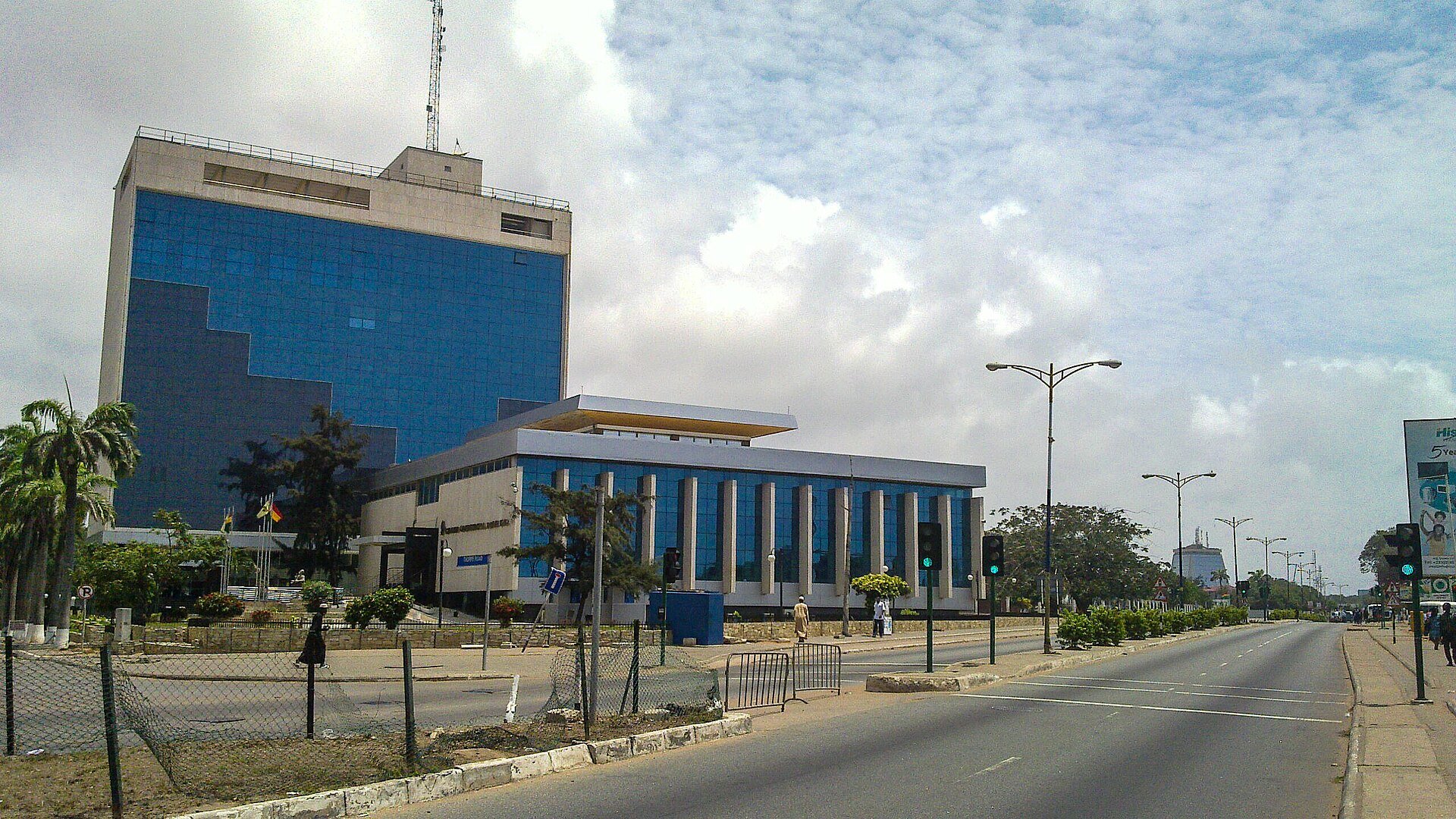
The push for diaspora investment products
Governor Dr Johnson Pandit Asiama has urged commercial banks to create products that let Ghanaians abroad invest directly in the domestic economy. The instruments under discussion include diaspora bonds, collective investment schemes, structured vehicles, and foreign-currency-denominated investment products.
The central bank is not simply asking migrants to send more money home. It wants supervised institutions to build investment-linked remittance products that make diaspora capital easier to deploy through formal channels.
BoG also says it is working on a National Remittance Strategy and a Remittance Roadshow with the Ministry of Finance. Digital and mobile-money channels are part of the plan to reduce friction and make participation easier for Ghanaians abroad.
Why remittances matter now
Ghana is trying to convert one of its most reliable foreign-currency streams into a strategic financing source after sovereign debt restructuring. Diaspora money is attractive because it is usually less volatile than short-term portfolio flows and more patient than commercial external debt.
The flows are tied to identity, trust and patriotism, not just yield. That gives the government a funding base that is less politically conditional than conventional borrowing from external creditors.
BoG-linked reporting cites nearly US$7.8 billion in remittances for 2025, up from US$6.65 billion in 2024. Officials are treating diaspora inflows as bigger and more stable than some other external financing sources.
A policy line years in the making
This is not a one-off idea. Ghana’s Diaspora Engagement Policy was accepted by cabinet in August 2023 and launched in December 2023.
Dr Zakari Mumuni, First Deputy Governor of the Bank of Ghana, said in June 2025 that Ghana should mobilise diaspora investment through innovative financial products. The central bank has repeatedly signalled a move toward investment-oriented remittance instruments in 2025 and 2026.
A BoG-linked diaspora roundtable in the United States was held on 19 April 2026 in the Washington/Alexandria area. The Maiden Diaspora Economic Growth Summit took place on 6 January 2026 in Accra.
The money and power stakes
Ghana wants funding that is cheaper, more predictable, and less dependent on International Monetary Fund-style adjustment or external debt markets. Diaspora capital offers a way to reduce reliance on traditional foreign direct investment and commodity-linked foreign exchange from gold and cocoa.
The strategy also responds to a persistent trust deficit. Many migrants still send money through basic transfer channels rather than formal investment products because of concerns about fraud, weak institutions, and poor product design.
If Ghana can deepen local capital markets with diaspora money, it strengthens bargaining power vis-à-vis IMF creditors, bilateral lenders, and major investors from the United States, the United Kingdom, European Union, Gulf states and China by lowering the urgency of any single external source.
The wider contest over African development finance
Ghana’s push is a small-country example of a larger contest over who funds development in Africa. African states increasingly court their overseas populations with bonds, investment portals and special funds.
Turning citizens abroad into a domestic capital base reduces exposure to external creditors and donor leverage. That fits the broader pattern covered in Africa: The New Scramble, where finance is becoming a front line in the competition for influence.
For banks, the opportunity is clear: new fee income, larger deposit bases, and a role in channelling foreign currency into productive domestic investment. For the government, success would mean a more resilient external position and less pressure on the cedi.
What to watch next
The next milestones are the National Remittance Strategy and the Remittance Roadshow being developed with the Ministry of Finance. Commercial banks will need to show whether they can design products that overcome the trust deficit and actually attract diaspora capital.
The test will be whether remittances shift from consumption flows into investment capital for small and medium-sized enterprises, infrastructure, real estate, fintech and government securities. If the products work, Ghana could offer a template for other African states seeking to mobilise their own transnational populations.
The central bank has made the policy direction clear. The burden now falls on lenders to build the diaspora investment products that can turn a reliable cash flow into long-term domestic capital.
More: Ghana news in English, every day from The Rio Times.
Frequently Asked Questions
What is the Bank of Ghana asking commercial banks to do?
The Bank of Ghana is asking lenders to create diaspora investment products such as diaspora bonds, collective investment schemes, structured vehicles, and foreign-currency-denominated investment products.
How large are Ghana’s remittance flows?
BoG-linked reporting cites nearly US$7.8 billion in remittances for 2025, up from US$6.65 billion in 2024.
When was Ghana’s Diaspora Engagement Policy launched?
The policy was accepted by cabinet in August 2023 and launched in December 2023.
Connected Coverage
Ghana’s diaspora finance strategy is part of a wider contest over who funds development in Africa, explored in Africa: The New Scramble.
Sources
This article was produced by The Rio Times’ automated newsroom system. How we use AI · Report an error
LatAm Markets: Live Signals → — real-time movers, turnover leaders and FX across Latin America.
Read More from The Rio Times