IBOV 183,476.86 ▼ 0.27% IPSA 11,256.80 ▼ 0.38% IPC MEX 64,992.23 ▲ 1.13% MERVAL 2,893,751 ▼ 1.57% COLCAP 2,584.72 ▼ 0.95% BVL PERÚ 59,934.37 ▲ 1.27% USD/BRL5.19▼ 0.12% USD/MXN17.68▼ 0.27% USD/CLP960.63▼ 0.27% USD/COP3,293▲ 0.20% USD/PEN3.39▼ 0.67% USD/ARS1,525▲ 0.30% USD/UYU40.21▲ 3.50% USD/PYG5,870▲ 2.23% USD/BOB12.17▲ 2.05% USD/DOP59.35▲ 0.25% USD/CRC450.87▲ 2.53% USD/GTQ7.64▲ 3.22% USD/HNL26.85▲ 0.31% USD/NIO36.62▲ 2.66% USD/VES853.52▼ 0.13% USD/PAB1.00— 0.00% USD/BZD2.00— 0.00% USD/JMD 157.28 — 0.00% USD/TTD6.77▲ 2.72% EUR/BRL5.91▲ 0.63% BRENT 88.88 ▼ 0.03% WTI 83.11 ▼ 0.11% IRON ORE 161.91 — — COPPER 6.61 ▲ 0.03% GOLD 4,461 ▲ 1.78% SILVER 65.59 ▲ 1.26% SOY 1,184 ▲ 3.20% CORN 480.50 ▲ 10.02% WHEAT 655.00 ▲ 3.93% COFFEE 317.25 ▼ 5.51% SUGAR 16.43 ▼ 1.79% ORANGE JUICE 138.55 ▼ 0.47% COTTON 85.03 ▲ 2.33% COCOA 5,719 ▲ 3.18% BEEF 223.60 ▼ 3.93% CATTLE 339.10 ▼ 3.16% LITHIUM 75.20 ▲ 1.47% PETR4 41.64 ▼ 0.05% VALE3 72.97 ▲ 0.83% ITUB4 38.60 ▼ 1.03% BBDC4 16.85 ▲ 0.36% ABEV3 14.89 ▼ 0.80% BBAS3 19.37 ▲ 0.47% B3SA3 14.26 ▼ 0.21% WEGE3 47.59 ▲ 0.49% PRIO3 59.14 ▼ 0.19% SUZB3 41.33 ▲ 2.35% RENT3 34.68 ▼ 0.09% AZZA3 15.89 ▼ 2.63% CSAN3 3.22 ▼ 1.83% RAIZ4 0.25 — 0.00% PCAR3 2.75 ▼ 0.36% GMAT3 3.65 ▼ 1.08% PSSA3 48.13 ▼ 0.54% CVCB3 1.33 ▼ 2.92% POSI3 3.36 ▲ 2.44% SLCE3 13.34 ▲ 0.30% NATU3 8.14 ▼ 0.73% IBOV 183,476.86 ▼ 0.27% IPSA 11,256.80 ▼ 0.38% IPC MEX 64,992.23 ▲ 1.13% MERVAL 2,893,751 ▼ 1.57% COLCAP 2,584.72 ▼ 0.95% BVL PERÚ 59,934.37 ▲ 1.27% USD/BRL 5.16 ▲ 0.01% USD/MXN 17.06 ▼ 0.24% USD/CLP 913.98 ▲ 0.04% USD/COP 3,140 ▲ 0.03% USD/PEN 3.36 ▼ 0.66% USD/ARS 1,493 ▲ 0.10% USD/UYU 40.27 ▲ 1.24% USD/PYG 5,939 ▲ 1.68% USD/BOB 11.64 ▼ 0.76% USD/DOP 58.34 ▲ 1.25% USD/CRC 445.92 ▲ 0.89% USD/GTQ 7.62 ▲ 2.21% USD/HNL 26.79 ▲ 1.57% USD/NIO 36.62 ▲ 0.69% USD/VES 762.44 ▼ 0.13% USD/PAB 1.00 — 0.00% USD/BZD 2.00 — 0.00% USD/JMD 157.28 — 0.00% USD/TTD 6.70 ▲ 0.61% EUR/BRL 5.95 ▲ 1.01% BRENT 88.88 ▼ 0.03% WTI 83.11 ▼ 0.11% IRON ORE 161.91 — — COPPER 6.61 ▲ 0.03% GOLD 4,461 ▲ 1.78% SILVER 65.59 ▲ 1.26% SOY 1,184 ▲ 3.20% CORN 480.50 ▲ 10.02% WHEAT 655.00 ▲ 3.93% COFFEE 317.25 ▼ 5.51% SUGAR 16.43 ▼ 1.79% ORANGE JUICE 138.55 ▼ 0.47% COTTON 85.03 ▲ 2.33% COCOA 5,719 ▲ 3.18% BEEF 223.60 ▼ 3.93% CATTLE 339.10 ▼ 3.16% LITHIUM 75.20 ▲ 1.47% PETR4 41.64 ▼ 0.05% VALE3 72.97 ▲ 0.83% ITUB4 38.60 ▼ 1.03% BBDC4 16.85 ▲ 0.36% ABEV3 14.89 ▼ 0.80% BBAS3 19.37 ▲ 0.47% B3SA3 14.26 ▼ 0.21% WEGE3 47.59 ▲ 0.49% PRIO3 59.14 ▼ 0.19% SUZB3 41.33 ▲ 2.35% RENT3 34.68 ▼ 0.09% AZZA3 15.89 ▼ 2.63% CSAN3 3.22 ▼ 1.83% RAIZ4 0.25 — 0.00% PCAR3 2.75 ▼ 0.36% GMAT3 3.65 ▼ 1.08% PSSA3 48.13 ▼ 0.54% CVCB3 1.33 ▼ 2.92% POSI3 3.36 ▲ 2.44% SLCE3 13.34 ▲ 0.30% NATU3 8.14 ▼ 0.73%
since 2009
Sunday, September 27, 2026

South Asia & India North America

Bangladesh’s Yunus Extends Olive Branch to Trump: A Pragmatic Shift in Diplomacy

By · November 13, 2024 · 2 min read

The LatAm Brief

One email, every weekday morning. What moved in Latin American markets, politics and expat life.

Yesterday’s subject line: “The US Army is quietly planning for Cuba”

Free. We send a confirmation link first — nothing arrives until you click it. Unsubscribe with one click in any edition. If you stop opening us for 30 days we stop sending by ourselves, as we assume the interest is no longer there. See our privacy policy. We never share your email.

Muhammad Yunus, Bangladesh’s interim leader, has taken a surprising step towards mending relations with US President-elect Donald Trump.

This move marks a significant shift in Yunus’ approach to international diplomacy. The Nobel laureate’s recent congratulatory message to Trump signals a desire for improved bilateral ties.

Yunus assumed leadership of Bangladesh’s interim government in August 2024. His appointment followed widespread student protests that forced former Prime Minister Sheikh Hasina to resign.

The country now faces the challenge of rebuilding its political landscape and stabilizing its economy. The interim government’s primary tasks include organizing free elections and drafting a new constitution.

These goals align with the principles of individual liberty and self-governance. Yunus must navigate these responsibilities while managing international relationships.
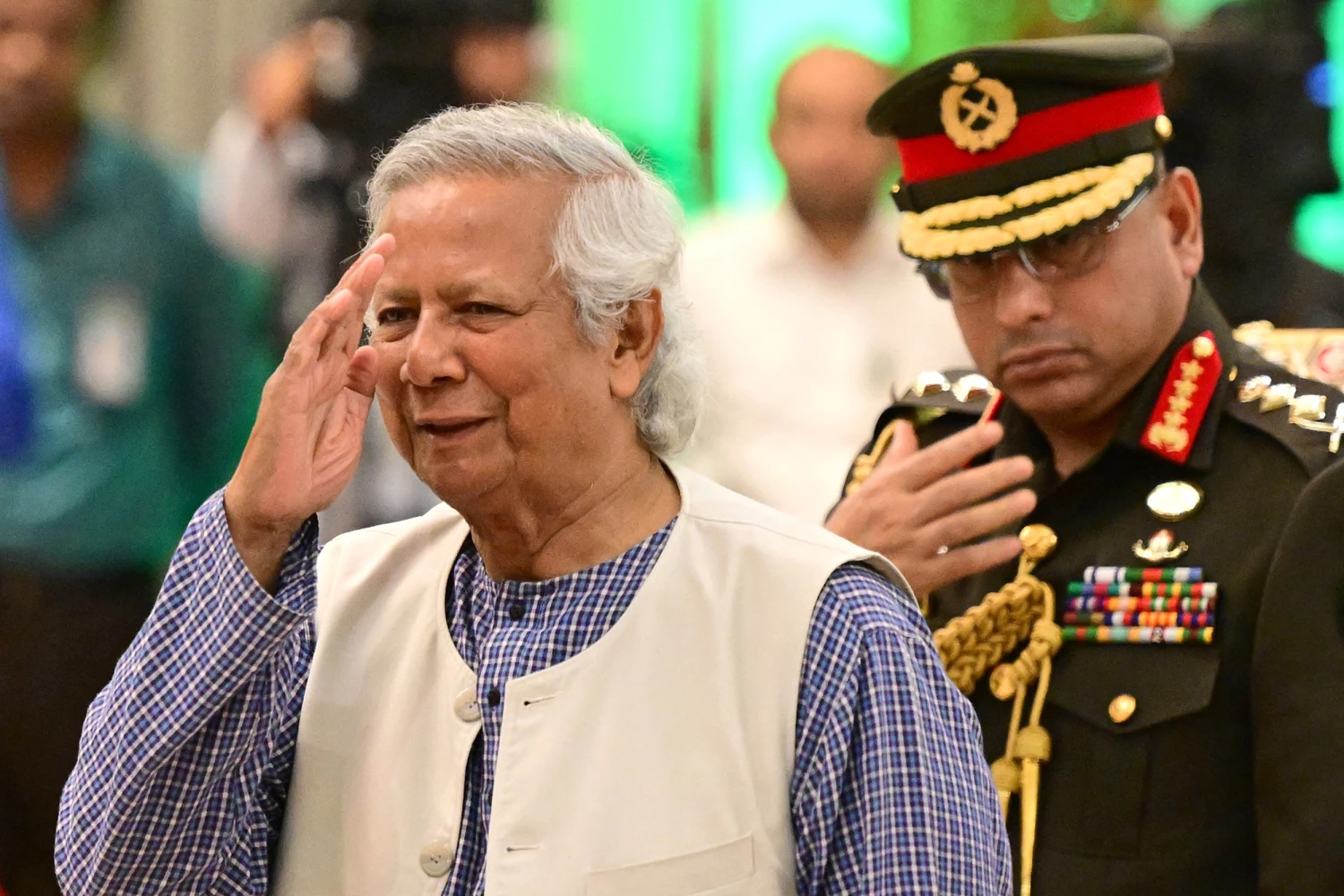
Bangladesh's Yunus Extends Olive Branch to Trump: A Pragmatic Shift in Diplomacy
Bangladesh’s Yunus Extends Olive Branch to Trump: A Pragmatic Shift in Diplomacy.
One-stop reference
Company Intelligence
Every listed company in Latin America — financials, ownership and structure for 1,450+ companies across 26 exchanges, in one place.
Browse the directory →
RT
Ask Rio Times
17 years of Latin America reporting, on demand.
Open the full Ask Rio Times →

Trump’s election victory in 2024 presented a potential obstacle for Bangladesh-US relations. Yunus had previously criticized Trump’s policies and leadership style.

However, the interim leader now appears ready to set aside past differences. Analysts suggest that Bangladesh’s strategic importance motivates this pragmatic approach.

Navigating Geopolitical and Economic Relations

The country’s location between India and China gives it geopolitical significance. Additionally, the US remains a crucial trade partner and source of foreign investment for Bangladesh.

The Rohingya refugee crisis continues to be a pressing issue for Bangladesh. US support has been vital in addressing this humanitarian challenge.

Maintaining good relations with the Trump administration could ensure continued assistance. Economic cooperation presents another area of potential collaboration between the two nations.

Bangladesh’s growing IT sector offers opportunities for technology partnerships with American companies. Such initiatives could benefit both countries without relying on government intervention.

Climate change poses a significant threat to Bangladesh’s low-lying coastal regions. While Trump has been skeptical of climate science, practical solutions may still be possible.

Focusing on infrastructure and disaster preparedness could find common ground. Yunus faces the task of balancing domestic reforms with international diplomacy.

His approach emphasizes practical cooperation over ideological differences. This strategy aims to secure Bangladesh’s interests while respecting its sovereignty.

Shaping the Future of US-Bangladesh Relations

The coming months will reveal whether Yunus and Trump can build a productive working relationship. Their ability to find common ground could shape the future of US-Bangladesh relations.

It may also influence broader geopolitical dynamics in South Asia. Observers note that this diplomatic shift reflects a broader trend in international relations.

Pragmatism often trumps ideology when national interests are at stake. Yunus’ willingness to engage with Trump demonstrates this reality.

The success of this approach remains to be seen. However, it represents a clear-eyed assessment of Bangladesh’s current position. Yunus appears determined to advance his country’s interests on the global stage.

As Bangladesh prepares for elections, its foreign policy will likely remain in flux. The interim government’s ability to navigate these challenges will shape the nation’s future. Yunus’ outreach to Trump may be just the beginning of a new chapter in Bangladesh’s diplomatic history.

This article was produced by The Rio Times’ automated newsroom system. How we use AI · Report an error

Read More from The Rio Times

The Rio Times · Power Map
See who really holds power in Latin America
Click to open the Power Map →

Rotate for Best Experience

This report is optimized for landscape viewing. Rotate your phone for the full experience.