Banco do Brasil Settles With Workers While Caixa Stays Out
BRAZIL · LABOUR
Key Facts
- —The settlement Banco do Brasil reached agreement with bank workers on 11 September 2026.
- —The terms 0.6% above the INPC inflation index, profit-share paid within 72 hours and a R$3,000 (about US$589) per-employee bonus.
- —Also agreed Paternity leave extended from 20 to 35 days and a R$360 million (about US$70.7 million) advance to the Cassi health fund.
- —Take-up 116 bases approved the agreement. Eighteen have rejected it.
- —Still out Caixa Econômica Federal, where the dispute is over the Saúde Caixa health plan.
- —The correction This was never one national walkout. It is a rolling, base-by-base action.
The strike is ending at one bank and continuing at the other, in the same cities, often in branches on the same street.
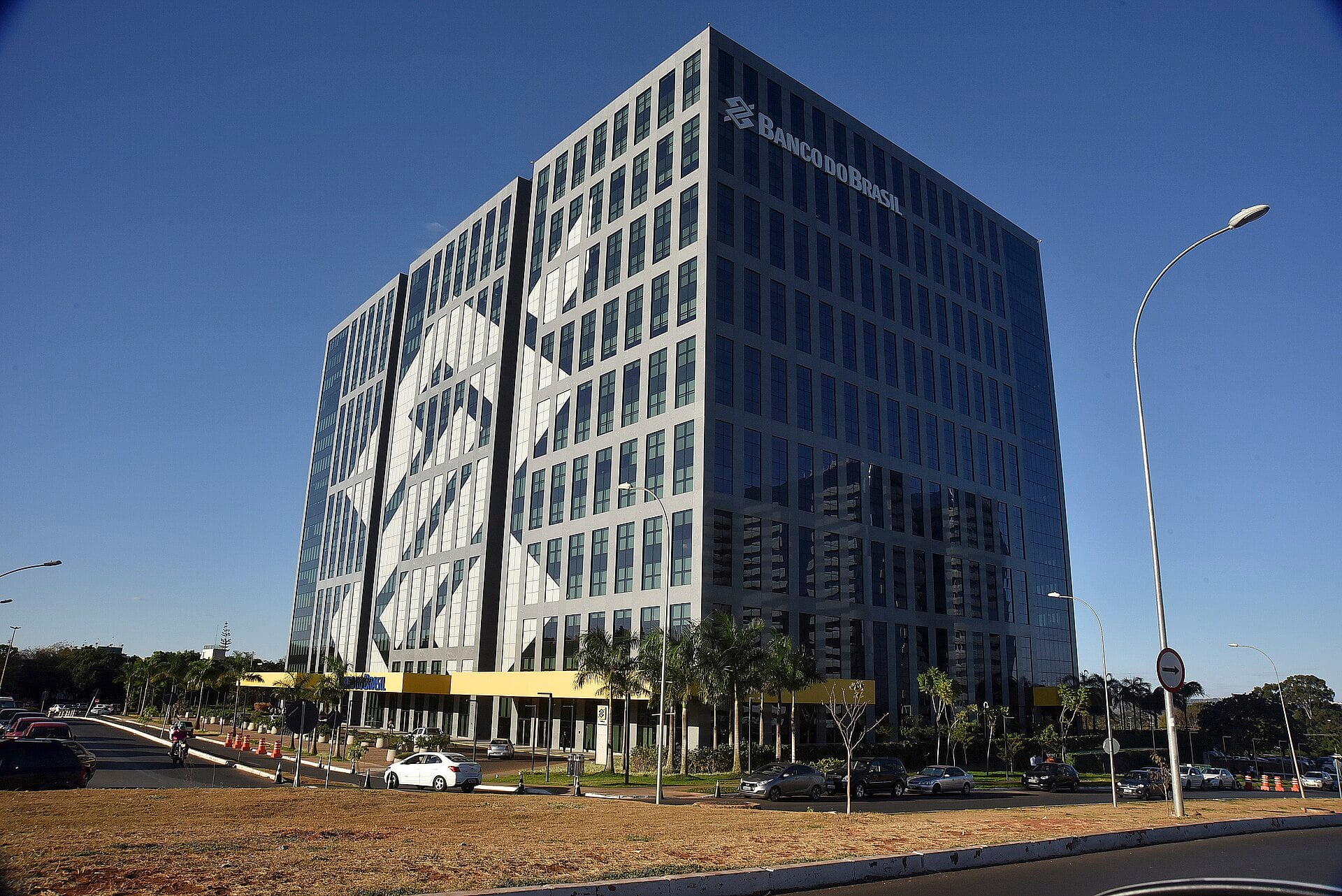
Banco do Brasil reached a settlement with bank workers on 11 September, ending its part of a rolling strike that has run through Brazilian public banks since August, while Caixa Econômica Federal remains in dispute.
What Was Agreed
The Banco do Brasil agreement provides a pay rise of 0.6% above the INPC inflation index, payment of profit-share within 72 hours and a bonus of R$3,000 (about US$589) per employee.
It also extends paternity leave from 20 to 35 days, advances R$360 million (about US$70.7 million) to the Cassi employee health fund, and raises the call-centre reference salary to R$6,302.77 (about US$1,238) from January 2027.
One hundred and sixteen bases approved the agreement. Eighteen rejected it, which means the settlement is national in form and incomplete in practice.
Not One Strike
The action has no single start date because it was never a single walkout. A national 24-hour stoppage took place on 20 August; private-sector banks struck from 4 September; public banks in Rio Grande do Norte from 8 September; Paraíba, Petrolina and Juazeiro from 10 September.
Brazilian bank bargaining works this way by design. A national campaign sets the demands, and individual bases vote on whether to strike and whether to accept, which produces a patchwork rather than a switch.
Live Company IntelligenceBanco do Brasil S.A. — the full investor dossier
Valuation & profitability
Price & risk
$17.6752-wk high
$27.36
Revenue trend · 6y
Ownership
Dividend
The Demand
The national campaign demand to Fenaban, the banks’ federation, was full inflation replacement plus a 5% real increase. Fenaban went through nine negotiating rounds without tabling an index at all.
At Banco do Brasil the additional issues were the sustainability of the Cassi health fund, career structures and staffing levels.
Why Caixa Is Different
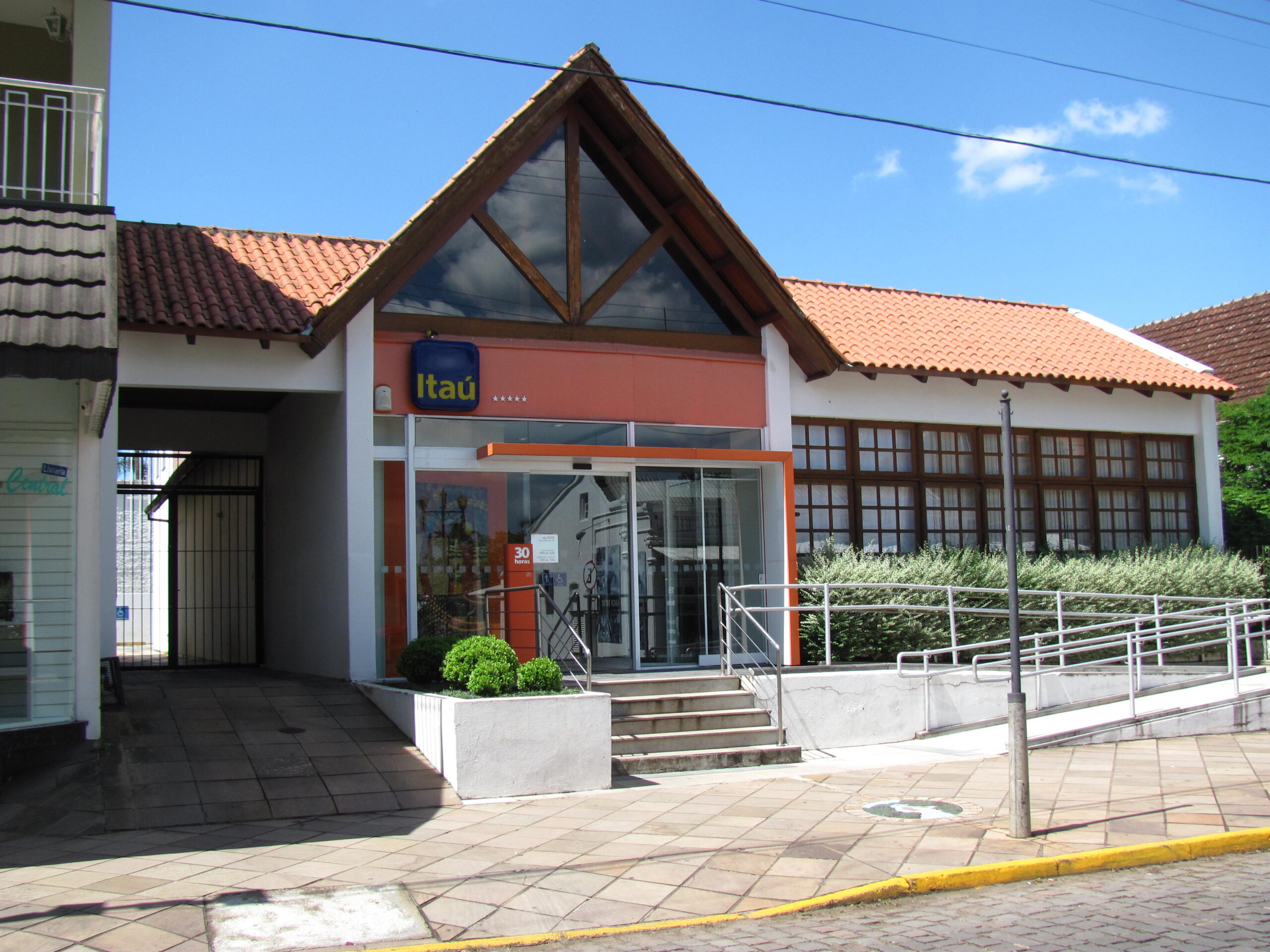
The Caixa dispute is not primarily about pay. It concerns the Saúde Caixa health plan, where the co-payment ceiling is rising from R$3,600 (about US$707) to R$4,800 (about US$943) a year, with an additional R$150 (about US$29) per emergency-room visit above the cap, age-banded monthly fees and higher costs for dependants.
Caixa tabled a final proposal valid only until 11 September, offering R$3,000 (about US$589) per employee, profit-share on 18 September and health coverage rising from 6.5% to 8%, and signalled it would take the matter to the labour courts through a dissídio coletivo if the offer were rejected.
Workers in Rio Grande do Norte rejected it unanimously and remain out.
Where Things Stand by Base
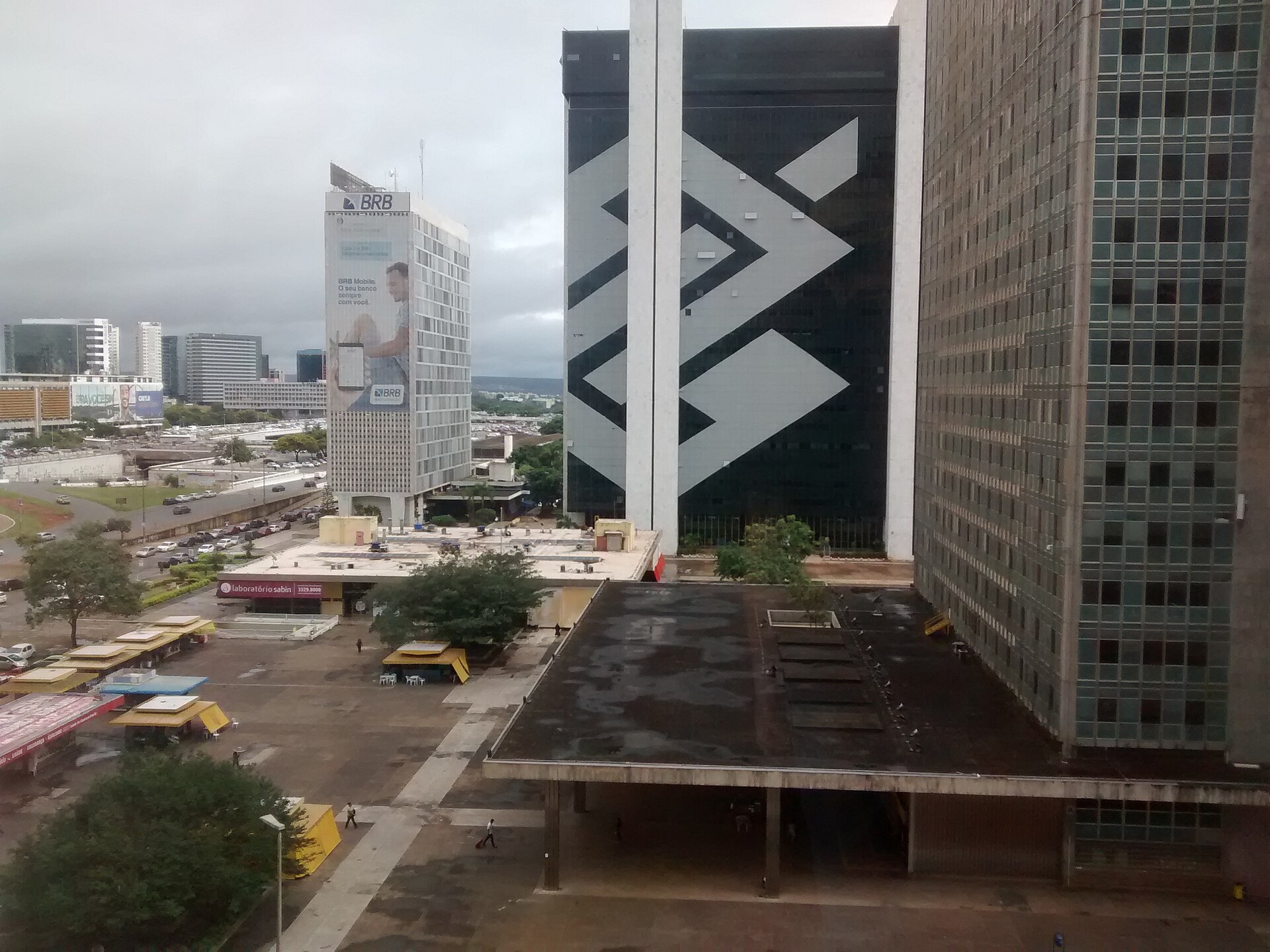
Banco do Brasil workers in Paraíba approved the agreement at an assembly on the night of 11 September and return on Monday 14 September. Caixa in Paraíba remains on strike.
Banco do Brasil workers in Petrolina, Pernambuco, also ended their strike and resume on 14 September. In Rio Grande do Norte the Banco do Brasil strike ended on 11 September while Caixa continues.
Postal workers and central bank staff are separately on strike, which is why the disruption has been read as broader than the banking campaign alone.
What Follows
The unresolved question is whether Caixa follows Banco do Brasil or goes to court. A dissídio coletivo hands the terms to a labour tribunal, which removes the strike’s leverage and also removes the bank’s control over the outcome.
For customers the practical effect is uneven service through the coming week, concentrated at Caixa branches and in the states where bases voted against.
More: Brazil news in English, every day from The Rio Times.
Frequently Asked Questions
Has the bank strike ended?
At Banco do Brasil, largely yes. At Caixa Econômica Federal, no.
What did Banco do Brasil agree?
0.6% above INPC, profit-share within 72 hours, a US$589 bonus, paternity leave to 35 days and a US$70.7 million advance to Cassi.
How many bases accepted?
116 approved and 18 rejected.
What is the Caixa dispute about?
The Saúde Caixa health plan, where co-payment ceilings and dependant costs are rising.
When did the strike start?
There is no single date. It is a rolling action, with a national stoppage on 20 August and base-by-base strikes through early September.
Sources: Notícias ao Minuto, Diário do Comércio, Polêmica Paraíba, Tribuna do Norte, Sindicato dos Bancários de São Paulo.
This article was produced by The Rio Times’ automated newsroom system. How we use AI · Report an error
Read More from The Rio Times