Brazilian Funk: How Rio’s Favela Sound Took Over Global Playlists

Brazil · Culture
Key Facts
—The sound. Brazilian funk, or funk carioca, is a bass-heavy dance music born in Rio de Janeiro’s favelas.
—The roots. It grew in the nineteen eighties from imported Miami bass records and nineteen seventies American funk.
—The persecution. For years the parties were policed and the music was criminalised, even as it spread.
—The stars. Global names like Anitta and Ludmilla carry the genre far beyond Brazil.
—The screen. A musical drama built around the scene, simply titled Funk, premiered at the Tribeca festival this year.
—The reach. Along with sertanejo, funk is credited with driving Brazil’s streaming growth.
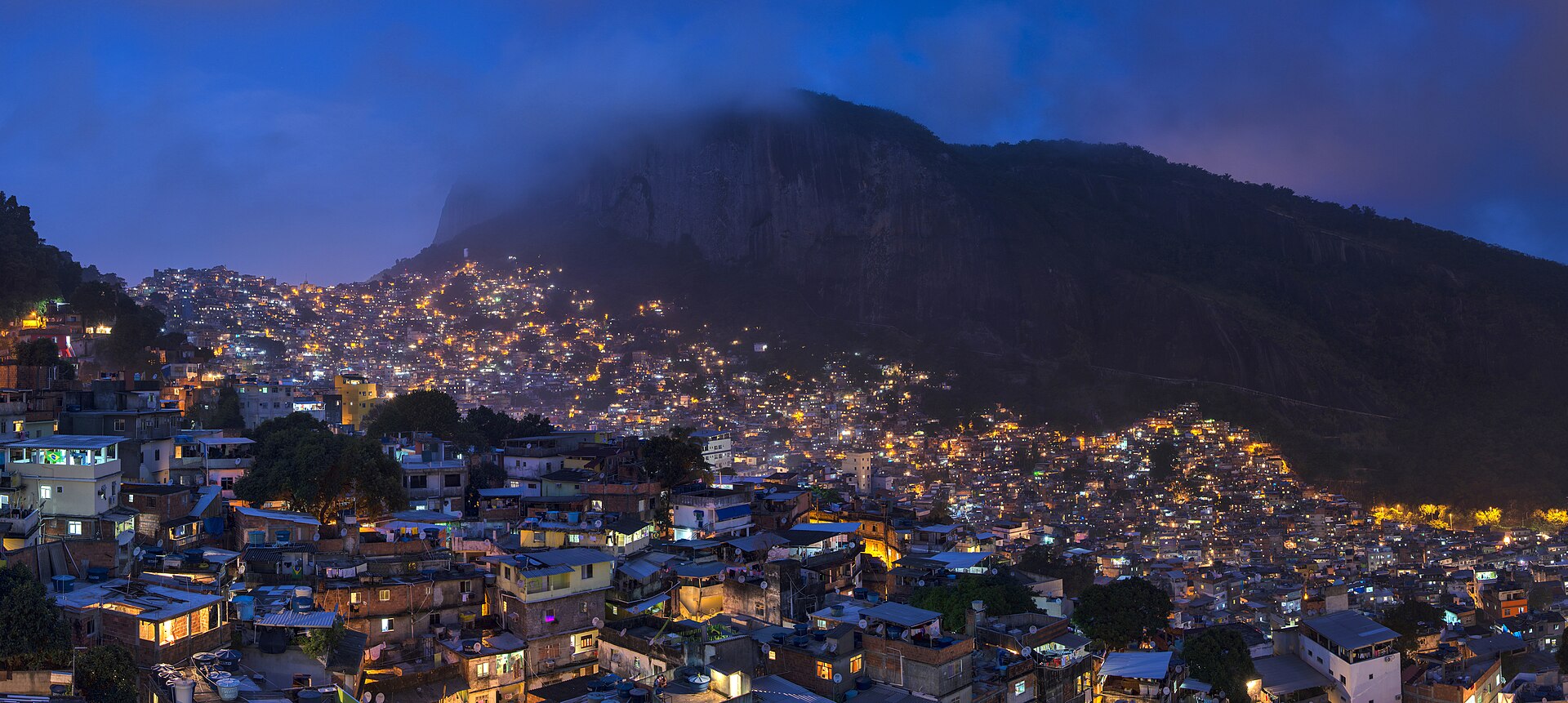
Brazilian funk was born in the poorest corners of Rio de Janeiro, was policed and banned for decades, and has now become the loudest cultural export the country sends to the world’s playlists.
The music, known at home simply as funk or funk carioca, is a raw, bass-driven dance sound. For a foreign listener it can be jarring at first, but it has quietly seeded pop, reggaeton and club music far from Brazil.
Its journey from criminalised favela parties to global streaming is one of the great cultural stories of modern Brazil. It is also a lesson in how a sound the establishment tried to silence can end up defining a nation’s image abroad.
Where Brazilian funk came from
The roots reach back to the nineteen seventies, when soul and American funk records reached Rio through a handful of lucky disc jockeys. Young people in the favelas and the working-class north zone seized on the new sound.
By the nineteen eighties a distinct local genre had formed, built on imported Miami bass beats fused with Brazilian rhythms. The parties where it played became known as bailes funk, giving the music its name.
The lyrics spoke plainly of favela life, and the genre became a voice for communities the mainstream media ignored. It also spawned its own dances, from the group formations of the early days to the footwork known as passinho.
Like samba and capoeira before it, this Afro-Brazilian art form was quickly treated as a threat. Through the nineteen nineties and two thousands, police broke up parties and lawmakers passed rules banning both the music and the gatherings.
From banned parties to global charts
The repression never quite worked, and the music kept spreading. Abroad, from London to Lisbon, club scenes embraced the sound as a fresh and vital form, often before Brazil’s own elite would grant it respect.
At home the breakthrough came through streaming. Along with sertanejo, the country’s pop-country style, funk has been credited with driving a remarkable surge in Brazilian streaming numbers and reshaping the national music business.
The genre’s biggest names now sit at the centre of Brazilian pop. Anitta has taken funk-inflected songs onto global charts, while artists such as Ludmilla and the producer Pedro Sampaio fill arenas across the country.
The story keeps drawing storytellers too. A musical drama built around the scene, titled simply Funk, premiered this year at the Tribeca festival in New York, following a young woman’s rise through the genre’s living world.
Why Brazilian funk still divides opinion
Success has not ended the arguments. Funk is loud, sexual and unruly by design, and it remains tied in the public mind to the favelas and, at times unfairly, to the drug gangs that used its parties as cover.
That tension is the point of the story. A music once chased by the police is now a national calling card, celebrated abroad while still fighting for full acceptance in the city that created it.
For a visitor, the takeaway is practical as much as cultural. Understanding funk is a shortcut to understanding modern Rio, and hearing it live, at a party or a festival, is one of the most direct ways into the city’s real rhythm.
What is Brazilian funk?
Brazilian funk, known locally as funk carioca, is a bass-heavy dance music that emerged in Rio de Janeiro’s favelas in the nineteen eighties. It grew from imported Miami bass and American funk records fused with Brazilian rhythms, and its lyrics often speak of favela life.
Why was Brazilian funk banned?
Through the nineteen nineties and two thousands, authorities policed the parties and passed laws restricting both the music and the gatherings, associating them with the favelas and with drug gangs. The genre survived the repression and kept spreading at home and abroad.
Who are the biggest Brazilian funk artists?
Anitta is the most globally recognised, taking funk-inflected pop onto international charts, while Ludmilla and the producer Pedro Sampaio are among the leading names filling arenas in Brazil. The genre has also produced a long line of pioneering disc jockeys and MCs.
More: Brazil news in English, every day from The Rio Times.
Frequently Asked Questions
Where did Brazilian funk come from?
Brazilian funk, also known as funk carioca, was born in Rio de Janeiro's favelas. It grew in the 1980s from imported Miami bass records and 1970s American funk that reached Rio through disc jockeys.
Was Brazilian funk ever banned or criminalized?
Yes, for years the parties were policed and the music was criminalized by authorities, even as it continued to spread. It originated in the poorest corners of Rio de Janeiro and faced decades of suppression from the establishment.
How has Brazilian funk achieved global recognition?
Global stars like Anitta and Ludmilla have carried the genre far beyond Brazil, and along with sertanejo, funk is credited with driving Brazil's streaming growth. A musical drama titled Funk, built around the scene, also premiered at the Tribeca festival.
This article was produced by The Rio Times’ automated newsroom system. How we use AI · Report an error · Editorial responsibility: Matthias Camenzind, Editor-in-Chief
Living in or visiting Rio de Janeiro? See this month's events and our Rio de Janeiro city guide with rents, safety and upcoming concerts.