Atlantic Season Ends With Just 1 Hurricane
Only one of ten storms became a hurricane. Even so, that single landfall cost Florida insurers hundreds of millions of dollars.

Weather · Atlantic and Caribbean
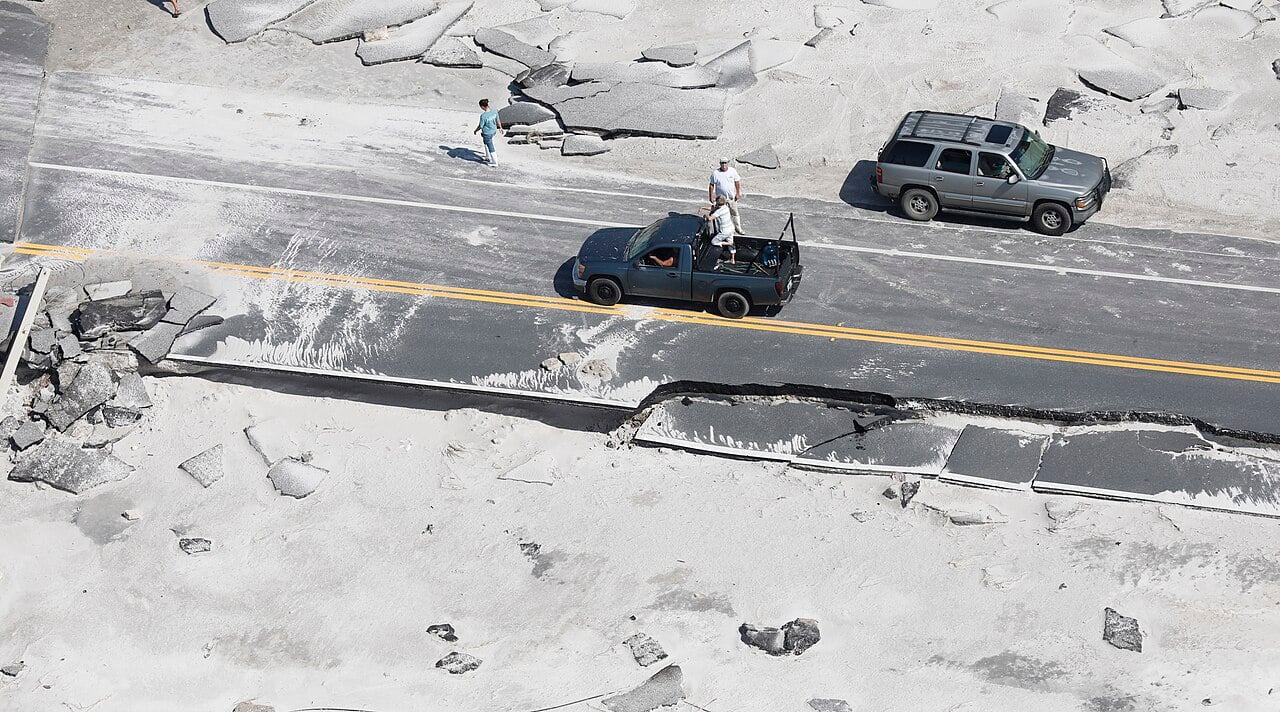
The 2026 Atlantic hurricane season is set to end on Monday 30 November 2026, six months after it began on 1 June, with ten named storms and one hurricane, Isaias. Isaias came ashore near Destin, a Gulf Coast resort town in Florida’s Panhandle, on the evening of Friday 9 October as a Category 2 hurricane.
That is well below the 1991–2020 average of 14 named storms, 7 hurricanes and 3 major hurricanes, the yardstick the US National Oceanic and Atmospheric Administration (NOAA) uses in its outlooks. NOAA had forecast on 21 May 2026 a range of 8 to 14 named storms and 3 to 6 hurricanes, so the hurricane count fell below even its low end.
Key Facts
- What. Ten named storms and one hurricane, Isaias, in the 2026 Atlantic season.
- Where. Isaias made landfall near Destin, on Florida’s Panhandle coast.
- When. Season ends Monday 30 November 2026; it began on 1 June.
- Why. El Niño, a Pacific warming pattern, was expected to add wind shear.
- As of. 29 November 2026, 18:30 GMT
Only one of ten storms became a hurricane. Even so, that single landfall cost Florida insurers hundreds of millions of dollars.
Ten named storms is about 71% of the average of 14, and one hurricane is about 14% of the average of 7. NOAA’s outlook also called for 1 to 3 major hurricanes, storms of Category 3 or stronger.
Colorado State University, whose seasonal outlooks are among the most closely followed, had forecast on 9 April 2026 a season of 13 named storms, 6 hurricanes and 2 major hurricanes. NOAA’s 21 May outlook also gave a 35% chance of a near-normal season and a 10% chance of an above-normal one.
NOAA said on 21 May that El Niño, a warming of the central Pacific Ocean, would form and strengthen during the season. It gave a 55% chance of a below-normal season, because El Niño usually adds wind shear, winds that change sharply with height and tear young storms apart.
Isaias made landfall at about 8:30 p.m. local time, which is 9:30 p.m. Eastern, with sustained winds of about 105 mph (165 km/h). That is a Category 2 on the Saffir-Simpson scale, which rates hurricanes from 1 to 5 by wind speed.
Josephine, the tenth and last named storm, formed on 21 October from a nor’easter, a large autumn storm that usually hits the US Northeast, and was classed as subtropical. Isaias was the ninth name on the list, and no named storm has formed since Josephine, as of 29 November.
A quiet count does not mean a harmless year for Florida. The Florida Office of Insurance Regulation, the state insurance watchdog, counted about 68,000 claims and US$736 million in insured losses from Isaias alone, in data updated on 6 November, or roughly US$10,800 per claim.
Ken Graham, director of the US National Weather Service, NOAA’s forecasting arm, had warned on 21 May: “It only takes one storm to make for a very bad season.” Bryan Norcross, a veteran hurricane analyst, wrote on 8 November that tropical development was unlikely for the rest of the month, adding that “weird stuff can happen any time, but the odds are very low and certainly not worth worrying about.”
Dominican tourism grew through August, when the storm season was only beginning to peak. The Dominican Ministry of Tourism (MITUR) reported 8,556,415 visitors from January to August 2026, up 6.9% on the same period of 2025, or about 550,000 more visitors.
MITUR still projects more than 12 million for the year, which implies growth of about 2.8% on its 2025 total of 11,676,901. For US travellers and Florida homeowners, the next checkpoints are forecasts, not storms: the season closes on Monday 30 November, and the 2027 outlook dates from Colorado State University and NOAA, which published their 2026 outlooks on 9 April and 21 May, are not confirmed.
El Niño comes and goes, so one calm year says little about the next.
More: Dominican Republic news.
Related coverage: Atlantic Hurricane Season Is Unusually Quiet and Atlantic Is Quiet After Hurricane Isaias.
Frequently Asked Questions
Does a quiet season mean the Atlantic is safer?
No. NOAA tied the calm to El Niño, a temporary pattern, and one landfall can still cause heavy losses.
When does the next forecast come?
Colorado State University and NOAA publish seasonal outlooks in spring. The 2027 dates have not been confirmed.
Sources
This article was produced by The Rio Times’ automated AI newsroom. Editorial responsibility: Matthias Camenzind, Publisher and Editor-in-Chief. The Rio Times also runs Ask Rio Times, which answers from 100,000+ of our own articles, the daily Latin America Power Map, and prediction-market odds on elections and markets.. How we use AI · Report an error