Assange’s Legal Lifeline: UK Court Challenges US Extradition
Julian Assange has successfully secured the right to appeal his pending extradition to the United States.
On May 20, the London High Court found the US charges against him to lack sufficient basis, offering Assange a new chance in his lengthy legal fight.
Since 2010, Assange has been a controversial figure, with WikiLeaks releasing classified US documents.
These leaks revealed critical details about military and diplomatic actions, including a 2007 airstrike in Baghdad that resulted in significant civilian casualties.
Facing severe backlash, Assange could serve up to 175 years if extradited and convicted in the US.
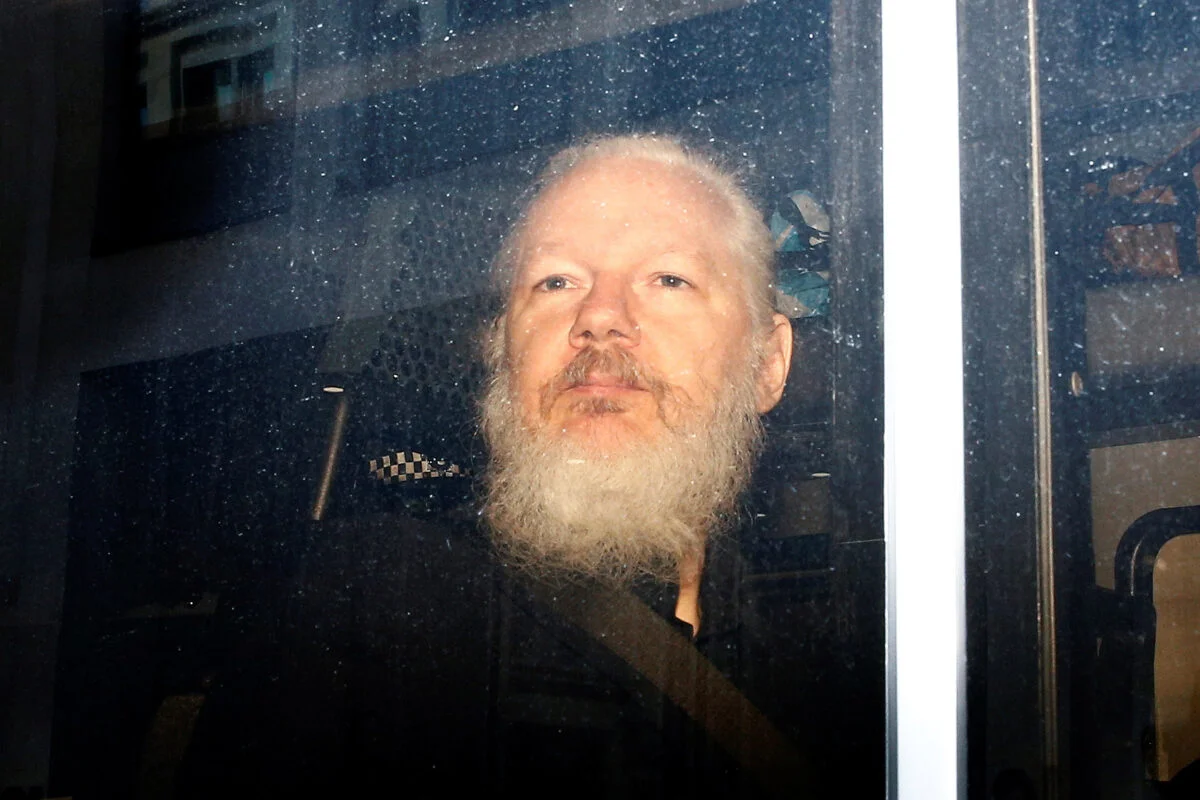
His legal defenses have focused on the political motives behind his extradition, arguing it’s a punishment for exposing US government actions.
Assange first sought refuge at the Ecuadorian Embassy in London in 2012, staying until 2019. He was then held at Belmarsh Prison.
His case has stirred significant public and legal debate about the right to information versus national security.
It questions how democratic societies treat whistleblowers and journalists who challenge governmental transparency.
Key moments in Assange’s saga:
- 2006: WikiLeaks begins.
- 2010-2011: He releases sensitive US documents.
- 2012: Ecuador grants him asylum.
- 2019: He’s arrested after Ecuador withdraws asylum.
- 2021: A UK court initially blocks US extradition, citing health reasons.
- 2023-2024: UK courts allow his extradition appeal.
The outcome of Assange’s appeal could influence global norms for press freedom and whistleblower protection.
His ongoing legal battle underscores the tensions between government authority and individual rights.
This article was produced by The Rio Times’ automated newsroom system. How we use AI · Report an error
Read More from The Rio Times