Artificial Blood Research Gets $46M Pentagon Funding
The U.S. Department of Defense has granted $46.4 million to advance artificial blood development.
The project, managed by DARPA, collaborates with the University of Maryland and other institutions.
The focus is on ErythroMer, a product developed by KaloCyte that is freeze-dried and activated with saline.
It seeks to mimic natural blood by delivering oxygen, aiding clotting, and replacing volume, addressing challenges like donor blood’s limited shelf life.
Despite its promise, artificial blood has a controversial history. Early experiments with substitutes like milk and animal blood failed due to severe reactions.
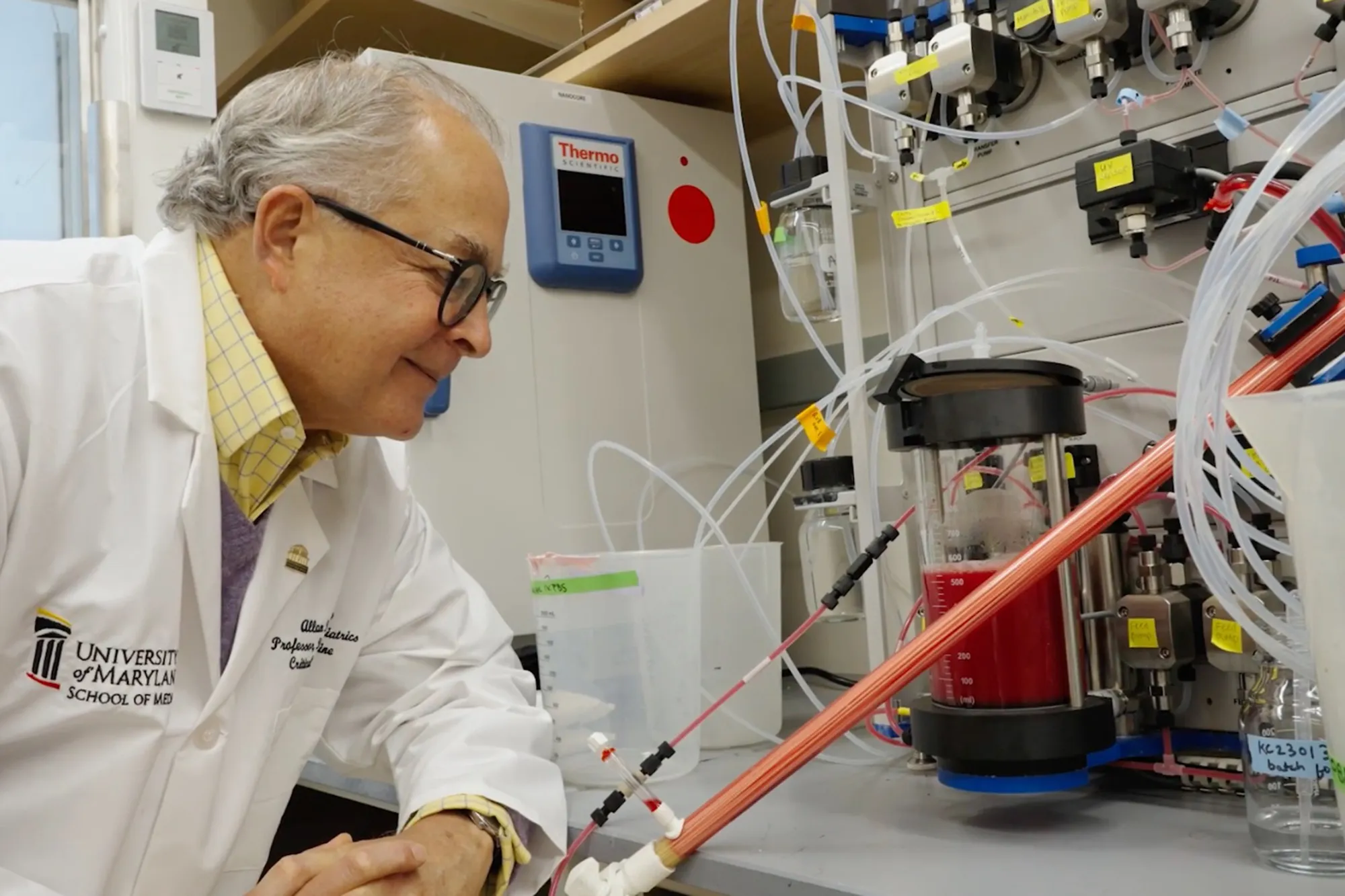
Even modern alternatives like hemoglobin-based carriers and perfluorocarbons have significant flaws, such as toxicity and complex mixing requirements.
Religious critics raise ethical concerns, highlighting the sanctity of life and the belief that creating blood substitutes oversteps divine boundaries.
They argue that such technology violates natural law and the moral principles inherent in life’s creation, branding it as an act of “playing God.”
Artificial Blood Innovation
Concerns also extend to the fairness of access to such technologies, emphasizing potential disparities in healthcare.
Nonetheless, ErythroMer employs cutting-edge technologies, including AI and machine learning, to optimize safety and effectiveness.
Testing begins with simulations and animal models, focusing on vital functions like oxygen delivery and bleeding control. Future tests will evaluate performance in traumatic conditions.
Critics highlight that artificial blood does not last as long as natural blood, with substitutes functioning for up to 24 hours compared to real cells’ 120-day lifespan.
More research is needed to confirm its safety and effectiveness in clinical settings.
However, the potential benefits of ErythroMer extend beyond military applications. It could be crucial in civilian emergencies, especially in isolated or disaster-affected areas.
This innovation offers hope for hospitals facing blood shortages and emergency responders globally.
It could potentially transform trauma and emergency medicine by eliminating the need for refrigerated storage during disasters.
This article was produced by The Rio Times’ automated newsroom system. How we use AI · Report an error
Read More from The Rio Times