Antigua and Barbuda Explained, a 2026 Country Guide
ANTIGUA AND BARBUDA · COUNTRY GUIDE
Key Facts
- —What it is A small English-speaking Caribbean state of Antigua, Barbuda and uninhabited Redonda, independent since 1 November 1981.
- —Why it matters It is a stable parliamentary democracy and a major Caribbean tourism and yachting hub with an open, service-based economy.
- —The numbers The Eastern Caribbean dollar is conventionally fixed at EC$2.70 to US$1, and tourism is the largest source of foreign exchange.
- —Who is who King Charles III is head of state, represented by Governor-General Sir Rodney Williams; Gaston A. Browne is prime minister.
- —The catch The country imports much of its food, fuel and construction materials, so living costs can be higher than newcomers expect.
- —What it means for you English is the official language and the legal system is familiar to many foreigners, but work permits, property rules and residency require separate approvals.
Antigua and Barbuda explained: it is a two-island Caribbean nation where tourism, construction and international services dominate, and where the currency is fixed at EC$2.70 to US$1. For a newcomer, it offers English-speaking administration and a well-known visitor economy, but also high import costs and a need to separate property ownership from the right to live or work.
Antigua and Barbuda sits in the eastern Caribbean, with Antigua as the busy administrative and tourism centre and Barbuda as a low-lying, sparsely settled island still shaped by Hurricane Irma in 2017. This guide explains the geography, people, politics, economy and daily realities that a foreigner, investor or curious reader should understand.
Geography: two very different islands
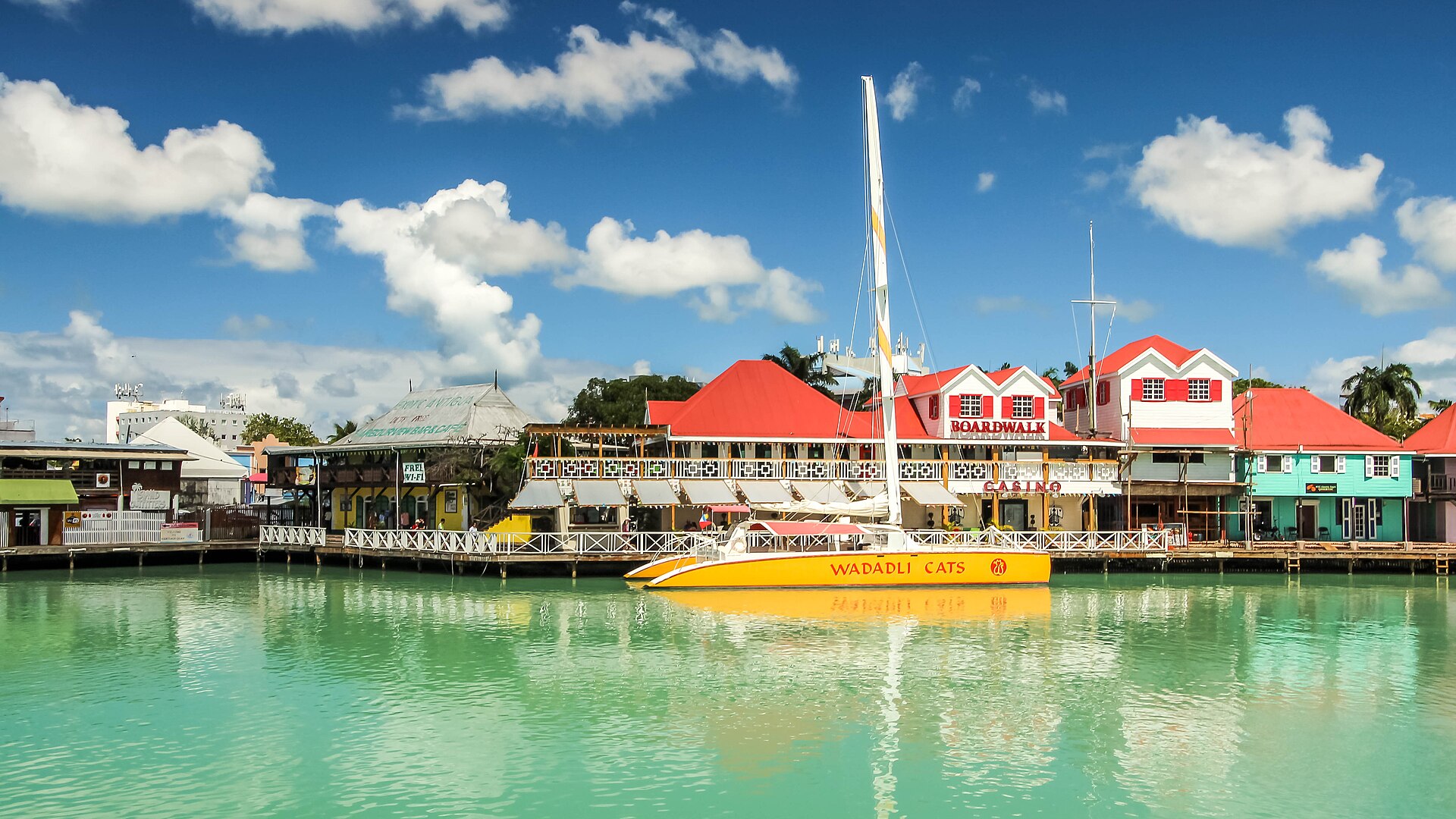
Antigua is the country’s administrative, commercial and population centre. St. John’s is the capital and largest urban area, with government offices, the main hospital, the principal port, the airport and most major commercial services.
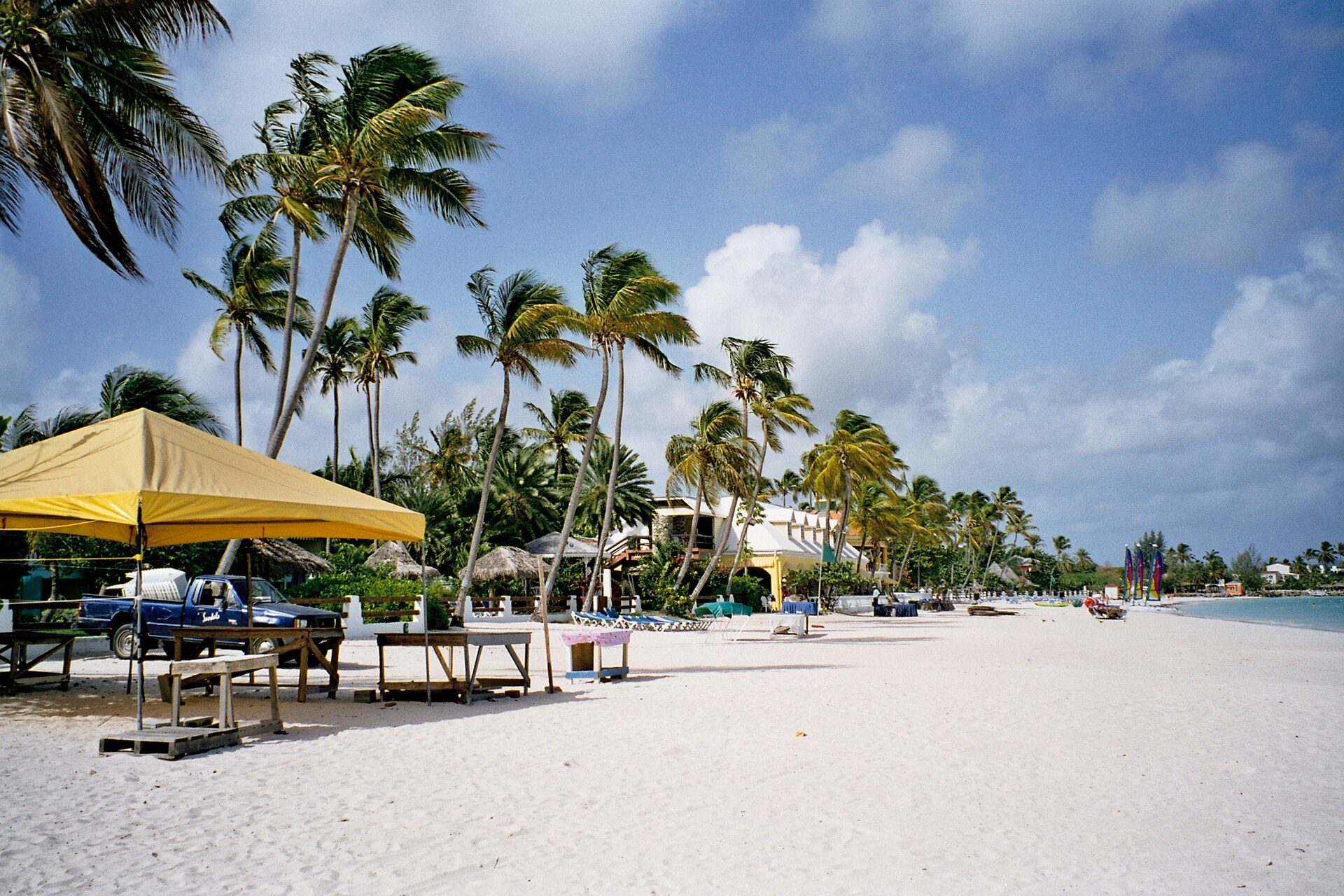
The island is relatively low-lying and dry compared with many volcanic Caribbean islands. Its coastline is highly indented, producing numerous bays, beaches and natural harbours. Antigua’s tourism identity is closely associated with the claim of having 365 beaches, although the figure is best understood as a tourism slogan rather than a formally audited geographic statistic.
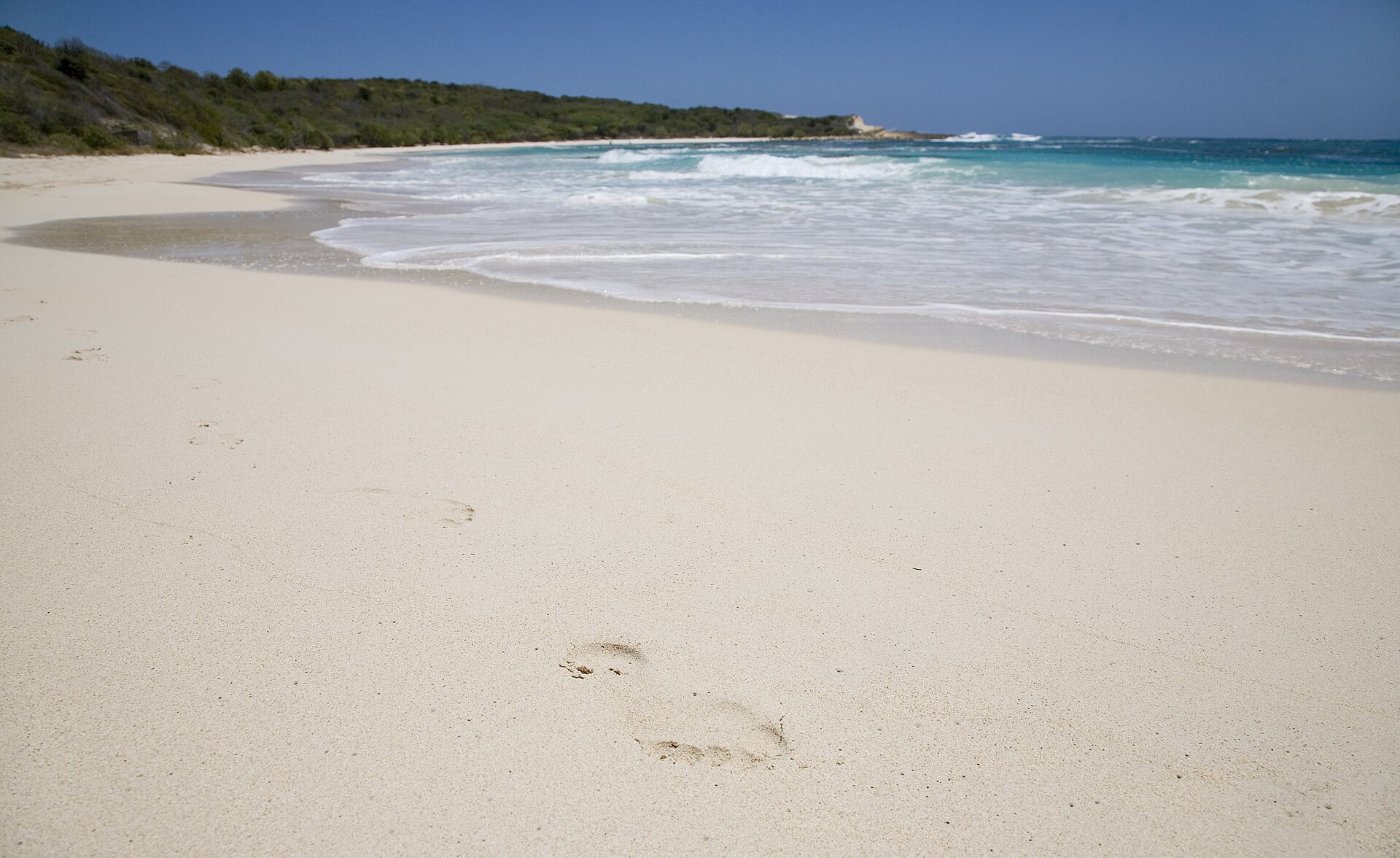
Barbuda lies north of Antigua and is much less densely settled. It is known for low-lying terrain, extensive wetlands, wildlife habitat and a long pink- and pale-sand coastline. Codrington is Barbuda’s principal settlement. Hurricane Irma caused catastrophic damage there in September 2017, after which reconstruction, land administration, environmental protection and development rights became major political issues.
Redonda is a small, uninhabited rocky island southwest of Antigua. It has no permanent civilian population and is not a normal destination for residents or visitors.
The country’s geography creates practical constraints. Fresh water is limited and desalination is important. Rainfall can be irregular, with drought risk during dry periods. Hurricanes and storm surges are recurring risks. Most goods arrive by sea, making shipping costs and port efficiency important. Infrastructure and services are concentrated on Antigua, particularly around St. John’s and the airport corridor. Barbuda has fewer services, less housing stock and more limited transport and medical capacity.
People, identity and language
Antigua and Barbuda’s population is predominantly of African and mixed African-European Caribbean heritage, with smaller communities of people from other Caribbean countries, North America, Europe and South Asia. The society is shaped by British colonial institutions, West Indian culture, Christianity, migration and a large overseas diaspora.
English is the official language and the language of government, education, courts and business. Antiguan and Barbudan speech also includes Caribbean English-Creole features, particularly in informal conversation. A newcomer can function in English throughout the country.
Religion remains socially important. Christian denominations, including Anglican, Moravian, Methodist, Catholic, Pentecostal and evangelical churches, have a visible role in community life, although the country is religiously diverse and public institutions are not governed by a single church.
Family networks are central. Many households include relatives across generations, and migration is a normal part of life. Antiguans and Barbudans commonly maintain close links with relatives in the United States, Canada, the United Kingdom and other Caribbean countries. Those links affect housing, education, remittances, politics and consumer habits.
Political system and who runs the country
Antigua and Barbuda is a constitutional monarchy. The monarch is the formal head of state, while the governor-general performs the monarch’s constitutional functions in the country. King Charles III is the head of state, represented domestically by Governor-General Sir Rodney Williams.
The governor-general is appointed by the monarch on the advice of the prime minister. The governor-general appoints as prime minister the member of the House of Representatives most likely to command majority support. The prime minister leads the government and is normally the leader of the party holding the majority in the elected House of Representatives.
Parliament has two chambers. The House of Representatives is made up of elected members, normally chosen in single-member constituencies. The Senate is made up of appointed members, including government nominees, opposition nominees and other appointments specified by the constitution.
The country’s principal political parties are the Antigua and Barbuda Labour Party, or ABLP, and the United Progressive Party, or UPP. Gaston Browne and the ABLP returned to office after the general election held on 30 April 2026, according to the government’s 2026 cabinet material. As of 2 October 2026, Browne is prime minister. Sir Steadroy Benjamin is attorney general.
The judiciary is constitutionally separate from the executive and legislature. Antigua and Barbuda is part of the Eastern Caribbean Supreme Court system, with the High Court and Court of Appeal serving participating Eastern Caribbean states. Final appeals may proceed to the Judicial Committee of the Privy Council unless the relevant legal framework provides otherwise.
How politics affects newcomers
Political decisions have direct effects on work permits and immigration status, property purchases and development approvals, citizenship-by-investment rules, tax policy and business licensing, utility prices and public-sector wages, tourism development, land use and environmental permissions, and relations with regional organisations including the Organisation of Eastern Caribbean States and the Caribbean Community.
The government’s 2026 agenda includes infrastructure, healthcare, housing, climate resilience, digital government and economic expansion. The 2026 budget statement lists Gaston Browne as prime minister.
The economy: tourism, construction and services
Antigua and Barbuda uses the Eastern Caribbean dollar, issued by the Eastern Caribbean Central Bank. The currency is conventionally pegged at EC$2.70 to US$1. Prices may be quoted in either EC dollars or US dollars, particularly in tourism, real estate and high-value services.
Tourism is the country’s most visible industry and one of its largest sources of foreign exchange. It includes resort hotels and villas, cruise tourism, yachting and marinas, restaurants and nightlife, weddings and destination events, heritage tourism, water sports and marine excursions, and short-term rentals and property management.
Antigua is a major yachting destination, with facilities around English Harbour, Falmouth Harbour and other coastal locations. The island’s tourism economy is seasonal but increasingly extends beyond the traditional winter peak.
Tourism also creates vulnerability. A hurricane, global recession, airline disruption, cruise-market change or health emergency can reduce arrivals quickly. The sector depends on imported food, fuel, construction materials and labour, so a tourism rebound does not automatically translate into low living costs.
| Sector | What it includes | What to watch |
|---|---|---|
| Tourism | Resorts, cruises, yachting, events, short-term rentals | Seasonal demand, hurricane risk, airline disruption |
| Construction and real estate | Residential, resort, public infrastructure | Foreign buyer rules, planning approvals, title checks |
| International business and finance | Corporate services, offshore-related activity | Beneficial ownership, anti-money-laundering, tax transparency |
| Agriculture and fisheries | Small-scale farming, fishing | Water scarcity, imported inputs, weather risk |
Construction is closely linked to tourism, public infrastructure, residential development and high-end real estate. Foreign buyers are active in the market, particularly in coastal and resort areas. A foreign purchaser should not assume that buying property automatically grants residence, citizenship or the right to work. Title searches, planning permissions, environmental approvals, taxes, fees and immigration status should be checked independently before a transaction.
Antigua and Barbuda has developed international financial and corporate services, but the sector operates under international standards concerning beneficial ownership, anti-money-laundering and counter-terrorist-financing controls, tax transparency, economic substance, licensing and supervision, and reporting to overseas authorities. The Financial Services Regulatory Commission is the relevant financial-services regulator for a range of non-bank and international-business activities.
Agriculture is limited by land availability, water scarcity, weather and the cost of imported inputs. Fishing remains economically and culturally important, but neither agriculture nor fisheries dominates the national economy. The country imports a substantial share of its food, fuel, manufactured goods, machinery and construction materials. This contributes to higher prices than newcomers may expect from a relatively low-income island economy.
The government’s finances are affected by a narrow economic base, debt-service costs, public-sector payroll, infrastructure needs and climate-related damage. At the same time, Antigua and Barbuda has been a prominent advocate for small-island states on climate finance, debt vulnerability and international taxation. The Eastern Caribbean Central Bank’s regional monetary framework provides currency stability, but Antigua and Barbuda cannot independently devalue its currency or set a fully independent national monetary policy.
Work, business and investment rules
A newcomer generally needs immigration and labour approval before taking local employment. Owning a home, forming a company or visiting as a tourist does not by itself provide permission to work.
Important distinctions include visitor status, which permits tourism or another limited purpose for a specified period; residence, which permits a person to live in the country subject to the terms of the approval; work authorisation, which permits employment or specified professional activity; business registration, which allows a company or business to operate but does not automatically authorise a foreign individual to work; and citizenship, which creates a different legal status and should not be treated as equivalent to residency or a work permit.
Investors should verify rules with the relevant government department rather than relying on agents or outdated websites. They should also distinguish between the Citizenship by Investment Programme, ordinary residence permits, real-estate ownership, tax residence, company incorporation and sector-specific licensing.
Professional services, including legal, accounting, banking and licensed real-estate professionals, are particularly important because land, immigration, tax and corporate obligations can overlap.
Daily life: housing, utilities and costs
Housing ranges from modest concrete homes and apartments to villas and gated resort developments. Long-term rentals can be difficult to secure in popular areas, particularly during the tourism season. Short-term rental demand can reduce the supply available to residents.
Rent, utilities, insurance and transport should be considered together. A low headline rent may be offset by unreliable water supply, generator costs, long commutes or the need for a vehicle.
Electricity is expensive by international standards because the country depends heavily on imported fuel. Power reliability has improved in some areas but can still be affected by storms, equipment failures and generation constraints.
Water is a more fundamental issue. Desalination, rainfall, storage and distribution all matter. Residents may experience scheduled supply interruptions or maintain tanks. A newcomer should ask about water supply, storage and backup arrangements before signing a lease or buying property.
The main airport is V. C. Bird International Airport, and the main port is St. John’s Harbour. Most goods arrive by sea, which affects the price and availability of food, fuel, vehicles and construction materials. Newcomers should budget for higher imported-goods costs than in larger mainland economies.
Current state in 2026 and what to watch
As of 2 October 2026, the government led by Gaston Browne and the ABLP is in office following the 30 April 2026 general election. The government’s stated priorities include infrastructure, healthcare, housing, climate resilience, digital government and economic expansion.
The country continues to face structural challenges: a narrow economic base, dependence on imported goods, hurricane exposure, water scarcity and the need to balance tourism growth with environmental protection on Barbuda and along Antigua’s coastlines.
For foreigners, the key watchpoints are changes to work permit and residency rules, citizenship-by-investment requirements, property approval processes, utility costs and the pace of post-hurricane reconstruction on Barbuda. Anyone considering a move or investment should check current rules with the relevant government department, because immigration, land and tax obligations can change and often overlap.
Frequently Asked Questions
Is Antigua and Barbuda an independent country?
Yes. Antigua and Barbuda became independent on 1 November 1981 and is a constitutional monarchy and parliamentary democracy within the Commonwealth.
What currency does Antigua and Barbuda use?
The country uses the Eastern Caribbean dollar, issued by the Eastern Caribbean Central Bank and conventionally fixed at EC$2.70 to US$1. US dollars are also widely accepted in tourism and real estate.
Who is the prime minister of Antigua and Barbuda in 2026?
Gaston A. Browne is prime minister, according to 2026 government material. He leads the Antigua and Barbuda Labour Party.
Can a foreigner buy property in Antigua and Barbuda?
Foreign buyers are active in the real estate market, but buying property does not automatically grant residence, citizenship or the right to work. Title searches, planning approvals, taxes and immigration status should be checked independently.
What language is spoken in Antigua and Barbuda?
English is the official language and is used in government, education, courts and business. Informal speech often includes Caribbean English-Creole features.
Is Antigua and Barbuda expensive to live in?
Living costs can be higher than newcomers expect because the country imports much of its food, fuel, machinery and construction materials. Electricity is expensive, and water supply can be irregular, so housing, utilities and transport should be budgeted together.
What is Barbuda like compared with Antigua?
Barbuda is much less densely settled, with low-lying terrain, wetlands and long sandy coastlines. Codrington is the principal settlement, and the island has fewer services, less housing stock and more limited transport and medical capacity than Antigua.
Sources: ab.gov.ag, ab.gov.ag, ab.gov.ag, ab.gov.ag, ab.gov.ag, ab.gov.ag. Retrieved 2 October 2026.
This article was produced by The Rio Times’ automated newsroom system. How we use AI · Report an error · Editorial responsibility: Matthias Camenzind, Editor-in-Chief
Read More from The Rio Times