Brazil’s Clean Energy Innovation: Solar and Wind Successes and Hurdles
(Sponsored) Brazil’s wild beauty – think rainforests, waterfalls, and a dizzying array of wildlife – is paradoxically driving its ambitious leap into clean energy innovation. Renewable energy is turbocharging our fight against climate change, and the results are speaking for themselves – solar and wind power are booming like never before.
As the rainforest-rich nation rides the wave of transformation, its generous coastal artery, balmy weather, and modern policy framework yield both shining achievements and gnawing difficulties.
The Renewable Energy Landscape
Brazil is no stranger to renewable energy. Hydropower has long dominated the energy mix, accounting for over 60% of its electricity generation. However, as climate variability affects water availability, the nation has shifted its focus to diversify its renewable energy portfolio.
Solar and wind energy are emerging as critical components of this transition.
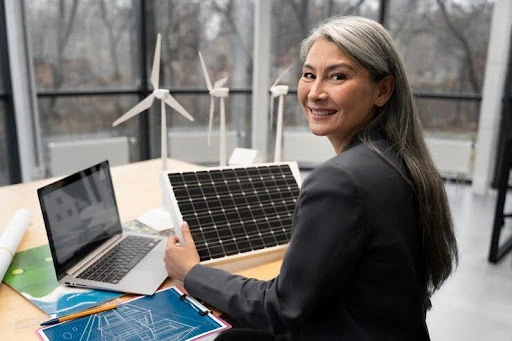
Between 2012 and 2023, the installed capacity of solar power surged to 24 GW, making Brazil one of the top solar producers in Latin America. Similarly, wind power capacity has climbed to over 23 GW, positioning Brazil as the second-largest wind energy market in the Americas.
Success Stories: A Solar Boom
Brazil’s solar sector has been on a meteoric rise. States like Minas Gerais and Bahia have embraced photovoltaic technology, with large-scale solar farms becoming the norm. For instance, the Pirapora Solar Complex in Minas Gerais, spanning more than 800 hectares, generates enough electricity to power approximately 420,000 homes annually.
On the distributed generation front, over 1.9 million Brazilian homes and businesses now use rooftop solar systems. This decentralized approach has democratized energy access, reducing costs for families and small enterprises alike.
In regions with unreliable grid access, such as the Amazon Basin, solar panels power schools, health clinics, and entire communities. Often, solar panels are installed at home by representatives of online professions: from programmers to gamers.
Stable and fast Internet is simply necessary for many types of activities, especially for gaming. But you can also enhance FFXIV with VeePN and it requires almost no investment. You only need to download VPN apps for PC and connect to one of the servers. Thanks to VeePN VPN apps, you can reduce latency in various games: FFXIV, CoD, Apex and others.
The financial incentives driving this growth are worth noting. Brazil offers attractive tax exemptions for solar equipment and subsidized financing through institutions like BNDES (Brazilian Development Bank). This supportive ecosystem has made solar energy not only sustainable but also profitable.
Wind Power: Harnessing Coastal Breezes
Wind energy has flourished in Brazil, particularly in the Northeast region. States such as Rio Grande do Norte, Ceará, and Bahia are home to some of the world’s most productive wind farms. The region’s unique geography, with steady winds and flat terrains, has enabled a capacity factor (a measure of efficiency) that often exceeds 50%, compared to the global average of 35%.
Take the Lagoa do Barro Wind Complex in Piauí, for example. With a capacity of 195 MW, it’s a testament to how strategic investments can unlock natural potential. Wind farms have also brought economic benefits, creating jobs in construction, maintenance, and local supply chains.
Challenges in the Journey
While Brazil’s achievements in renewable energy are laudable, significant challenges remain.
- Grid Infrastructure: Brazil’s transmission grid was initially designed for centralized hydropower plants. Integrating solar and wind energy, often generated in remote areas, requires substantial upgrades. Grid congestion and energy losses are common issues, particularly in the Northeast, where wind power is concentrated.
- Regulatory Hurdles: The regulatory environment, while improving, still has inconsistencies that deter investors. For instance, debates over distributed generation tariffs have created uncertainty for solar adopters.
- Social and Environmental Concerns: Despite its benefits, renewable energy development has occasionally clashed with local communities and ecosystems. Balancing energy needs with environmental stewardship remains a delicate task.
- Financial Accessibility: Although incentives exist, the upfront costs of solar panels and wind turbines are still prohibitive for many Brazilians.
Innovation and Future Prospects
Constant innovation helpsBrazil’s renewable energy sector stay on the upswing. Combining solar, wind, and storage technologies in a single project is gaining popularity, and for good reason – it’s a formula that optimizes both efficiency and reliability. For example, hybrid plants in Bahia are integrating solar panels with wind turbines, producing energy day and night while reducing grid stress.
Brazil is also investing in research and development. The National Institute of Wind Energy (INEE) and the Solar Energy Research Center (CERES) are advancing technologies to improve efficiency and sustainability. These efforts include creating more efficient photovoltaic cells and exploring offshore wind potential, which could add an estimated 700 GW to the national grid.
Conclusion
From rural wind farms to city-centered solar grids, Brazil’s quest for clean energy is being rewritten on the fly, driven by a resilient people unwilling to accept the status quo. As the renewables revolution gathers pace, this nation is standing tall, its thriving solar and wind industries blazing a trail that others can’t help but follow. Yet, the road ahead is not without obstacles. As we forge ahead with this energy transition, three puzzle pieces need to fall into place: refurbished grids, retooled regulations, and – most importantly – guaranteed access to renewable energy for all communities.
This article was produced by The Rio Times’ automated newsroom system. How we use AI · Report an error
Read More from The Rio Times