Africa Intelligence Brief — Friday, October 30, 2026
Executive Summary
Africa Intelligence Brief for October 30: Sudan alleges Ethiopian drone strikes killed over 400 civilians; Nigeria pushes state police by December.
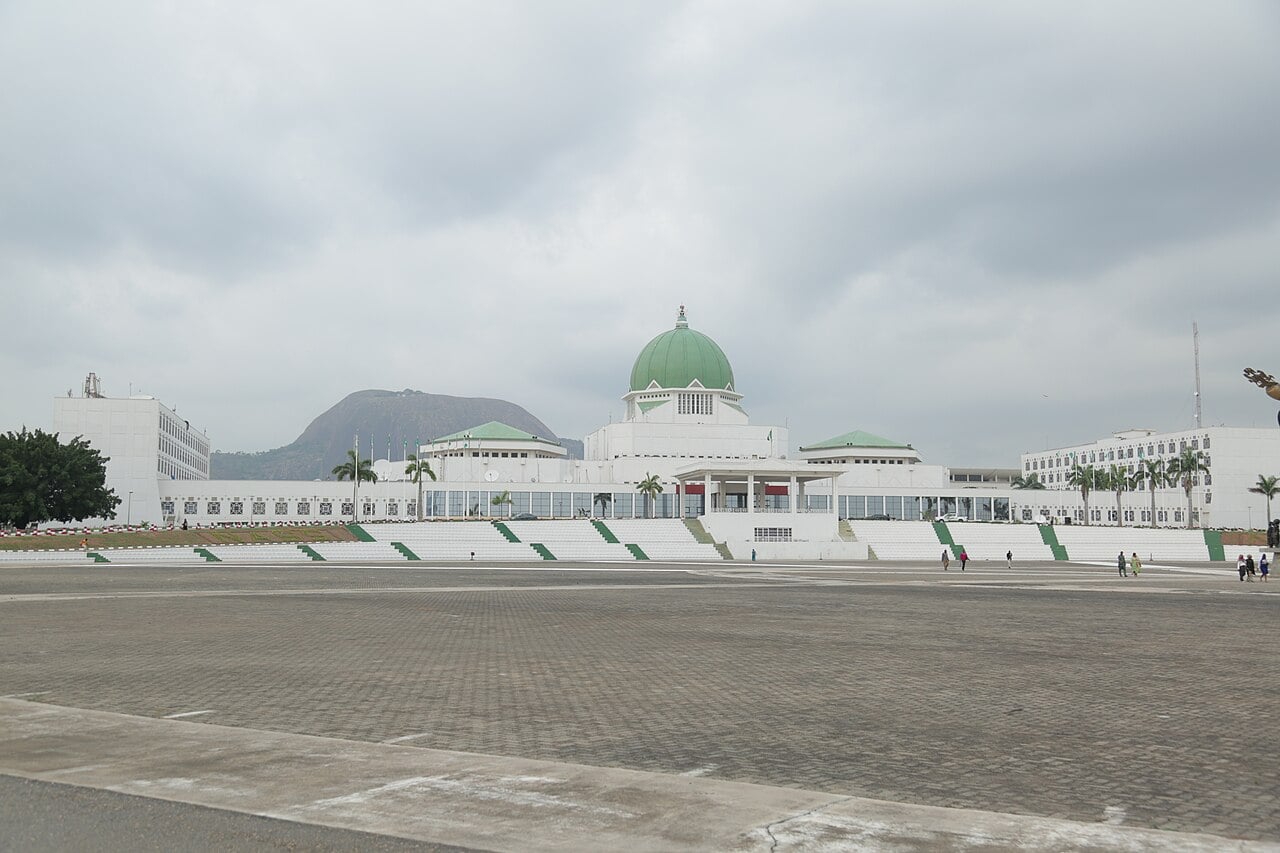
Africa’s temper on Friday is one of accusation and anxious projection, as Khartoum blames Addis Ababa for a drone war, Nigeria pushes a constitutional fix for insecurity, and South Africa’s ruling party stares at electoral fragmentation. The day’s events show governments reaching for control through diplomacy, reform and polling, while violence, disease and hunger continue to outpace them.
The register is declaratory and defensive. Leaders speak of peace, unity and constitutional deadlines, while health agencies count cases and opposition parties measure their rise in percentage points.
The through-line is the widening gap between official narratives of order and the lived experience of insecurity. From Sudan’s borderlands to Nigeria’s villages and South Africa’s campuses, the same question recurs: whether institutions can deliver safety and dignity before public trust erodes further.
Key Facts
Sudan drone toll. Sudan alleged 162 drone attacks from Ethiopia killed more than 400 civilians and 102 military personnel.
Nigeria state police. Senate Majority Leader Opeyemi Bamidele said state police could be established by December 2026.
Kebbi attack. Suspected Mamudawa/Lakurawa militants killed a police inspector and 11 civilians in Koko/Besse on 28 October.
Ebola regional toll. WHO figures cited nine confirmed cases and two deaths in Kenya, one imported case in Nigeria, and 20 cases and two deaths in Uganda.
South Africa polling. An Ipsos poll put the ANC at 30 per cent nationally and the DA at 51 per cent in Cape Town.
Sudan–Ethiopia: Accusation Becomes A Regional Weapon
Sudan’s mood is one of siege and strategic escalation, as authorities alleged that 162 drone attacks launched from Ethiopian territory had killed more than 400 civilians and 102 military personnel. The accusations, reported by AllAfrica on 30 October, claim the strikes hit schools, hospitals, health centres and fuel stations, framing Ethiopia as an active enabler of Sudan’s agony.
The allegations remain unconfirmed, yet their political function is clear: Khartoum is internationalising its war by naming a neighbour as a direct participant. This transforms an internal conflict into a cross-border grievance that could draw in mediators, harden alliances, or both.
A US reader should see this as a warning that Sudan’s war is no longer containable within its borders. When a government accuses a neighbour of hosting drone bases, the risk of miscalculation and direct confrontation rises sharply.
Nigeria: Reform And Violence Compete For The National Mood
Nigeria’s mood is split between institutional ambition and raw insecurity. Senate Majority Leader Opeyemi Bamidele said the process for establishing state police could be completed by December 2026, with nearly 30 state assemblies already backing the constitutional change, while President Bola Tinubu travelled to Saudi Arabia for Umrah to pray for peace, unity and stability.
The reform push is a direct response to the kind of violence that struck Wawilaiyi and Kystu villages in Kebbi on 28 October, where suspected Mamudawa/Lakurawa militants killed a police inspector and 11 civilians, burned houses and looted shops. The juxtaposition of constitutional process and mass killing reveals a government racing to build local security capacity even as the bodies are still being counted.
A US reader should note that Nigeria’s state-police debate is not abstract federalism but a survival question for communities that feel abandoned by centralised security. The December target is ambitious, and the Kebbi attack shows why the demand is urgent.
DR Congo–Kenya–Uganda: Ebola’s Quiet Spread Tests Regional Trust
The mood across East and Central Africa is one of quiet dread, as WHO figures recorded nine confirmed Ebola cases and two deaths in Kenya, one imported case in Nigeria, and 20 confirmed cases and two deaths previously reported in Uganda. The death of an Africa CDC doctor from Ebola in the Democratic Republic of Congo adds a human face to the institutional toll. The numbers are small in absolute terms, but their dispersion across four countries signals a regional health emergency that is not yet being met with the urgency it deserves.
A US reader should understand that Ebola’s cross-border movement is a test of regional cooperation and transparency. The death of a health worker from the Africa CDC underscores that even the responders are vulnerable.
South Africa: Fragmentation And Hunger Define The Political Season
South Africa’s mood is anxious and fragmenting, as an Ipsos poll put the ANC at 30 per cent nationally, the DA at 30 per cent in Johannesburg against the ANC’s 27 per cent, and the DA at 51 per cent in Cape Town. The poll also showed uMkhonto Wesizwe support in eThekwini falling to 47 per cent from 55 per cent, linked to former president Jacob Zuma’s absence from campaigning.
The electoral numbers point to a political landscape where no single party can claim a national mandate, and coalition politics is becoming the default condition. Meanwhile, the University of Cape Town’s Food Sovereignty Programme supported 2,315 students with monthly grocery packs during 2026, a reminder that economic stress reaches into the daily lives of the young and educated.
A US reader should read this as a story of democratic maturity and social fragility coexisting. The polls show a competitive system, but the food queues show a society still failing to meet basic needs.
What This Means From Latin America
The regionalisation of Sudan’s war and the spread of Ebola across East and Central Africa carry indirect but real implications for Latin America. A wider Horn of Africa conflict could disrupt Red Sea shipping routes that connect Latin American exporters to Middle Eastern and Asian markets, while a sustained Ebola outbreak would strain global health supply chains and travel protocols.
Nigeria’s state-police push and South Africa’s electoral fragmentation are domestic stories with no direct Latin American trade or diplomatic link in the available evidence. The broader lesson for Latin American readers is that African governments are grappling with the same tension between centralised authority and local security demands that shapes debates from Mexico to Brazil.
What We Are Watching
- Monday, 2 November, 3:45 a.m. ET: Nigeria Stanbic IBTC Bank PMI: October data is due with no forecast, following a previous reading of 56.4. The figure will show whether private-sector activity is holding up amid the Kebbi violence and state-police debate.
- Monday, 2 November, 4:00 a.m. ET: South Africa ABSA Manufacturing PMI: October data is due with no forecast, following a previous reading of 50.7. It will signal whether manufacturing is expanding or contracting as coalition politics unsettles investors.
- Monday, 2 November, 4:00 a.m. ET: South Africa S&P Global Manufacturing PMI: October data is due with no forecast, following a previous reading of 50.7. A second PMI reading will confirm or complicate the ABSA signal.
- Tuesday, 3 November, 12:15 a.m. ET: Egypt S&P Global Composite PMI: October data is due with no forecast, following a previous reading of 47.2. The figure will show whether Egypt’s private sector remains in contraction territory.
- Tuesday, 3 November, 9:00 p.m. ET: Morocco Unemployment Rate: Q3 data is due with a forecast of 12 per cent against 9.5 per cent previously. A rising jobless rate would deepen social pressure in a key North African partner.
- Wednesday, 4 November, 4:30 a.m. ET: Uganda Balance of Trade: September data is due with a forecast of -280 against -1143.7 previously. A narrower deficit would ease pressure on the shilling and import costs.
Background: Africa: The New Scramble — why the world’s powers are competing for the continent.
Frequently Asked Questions
What is Sudan accusing Ethiopia of doing?
Sudanese authorities alleged that 162 drone attacks launched from Ethiopian territory killed more than 400 civilians and 102 military personnel. The accusations, reported by AllAfrica on 30 October, claim the strikes hit schools, hospitals, health centres and fuel stations, but the allegations have not been independently verified.
Why is Nigeria pushing for state police?
Senate Majority Leader Opeyemi Bamidele said the process for establishing state police could be completed by December 2026, with nearly 30 state assemblies already supporting the constitutional change. The push responds to persistent insecurity, including the 28 October attack in Kebbi that killed a police inspector and 11 civilians.
How serious is the Ebola situation in East Africa?
WHO figures recorded nine confirmed cases and two deaths in Kenya, one imported case in Nigeria, and 20 confirmed cases and two deaths previously reported in Uganda. An Africa CDC doctor also died from Ebola in the Democratic Republic of Congo, underscoring the risk to health workers.
What does the Ipsos poll mean for South Africa’s ANC?
The poll put the ANC at 30 per cent nationally, the DA at 30 per cent in Johannesburg against the ANC’s 27 per cent, and the DA at 51 per cent in Cape Town. It signals that coalition politics is becoming the default condition and that the ANC’s dominance is fading in key urban centres.
This article was produced by The Rio Times’ automated newsroom system. How we use AI · Report an error · Editorial responsibility: Matthias Camenzind, Editor-in-Chief
LatAm Markets: Live Signals → — real-time movers, turnover leaders and FX across Latin America.