
BENIN · AFREXIMBANK
Key Facts
- —The country Benin is a West African country on the Gulf of Guinea, with Cotonou as its commercial capital and the FCFA franc as its currency.
- —What happened The Afreximbank forum opened at the Sofitel in Cotonou on Wednesday 21 October and ends with a zone visit on Thursday.
- —The bank’s pitch Afreximbank said it has put more than US$2 billion into industrial parks across Africa and will open an office inside the Glo-Djigbé zone.
- —The zone’s claims The zone’s manager says it covers 1,640 hectares, employs more than 25,000 people directly and processes 40,000 tonnes of cotton fibre a year.
- —The power plan The manager outlined 625 MW: a gas plant of more than 225 MW, 300 MW of solar farms and about 100 MW of rooftop panels.
- —Rate basis Conversions use 584 FCFA per US dollar and the euro at about US$1.12, both on 22 October 2026.
- —Still open No loan, investment or tenant deal was announced at the forum, and the zone’s job and output figures come from its own manager.
The Afreximbank forum, a two-day meeting in Cotonou, opened on Wednesday 21 October to sell Benin’s Glo-Djigbé Industrial Zone to investors. More than 100 people attended, Benin’s Matin Libre reported, and Afreximbank, the African Export-Import Bank, will open an office there.
For US readers, the Afreximbank forum shows where West Africa’s industry is heading, with cotton, cashew and soy processed at home, not shipped raw. Foreign factory owners, food buyers and lenders are the audience the bank is courting.
What Afreximbank Told the Forum
Jean Arsène Yerima, the bank’s regional director for French-speaking West Africa, said it has put more than US$2 billion into industrial parks across Africa. Matin Libre reported that the bank counts six operating zones and more are being prepared.
The bank offered long-term loans, risk guarantees, patient capital from its Feda investment fund and payments in local currencies through the Papss cross-border payment system. For small firms, it shares risk with local commercial banks.
What the Zone Says It Has Built
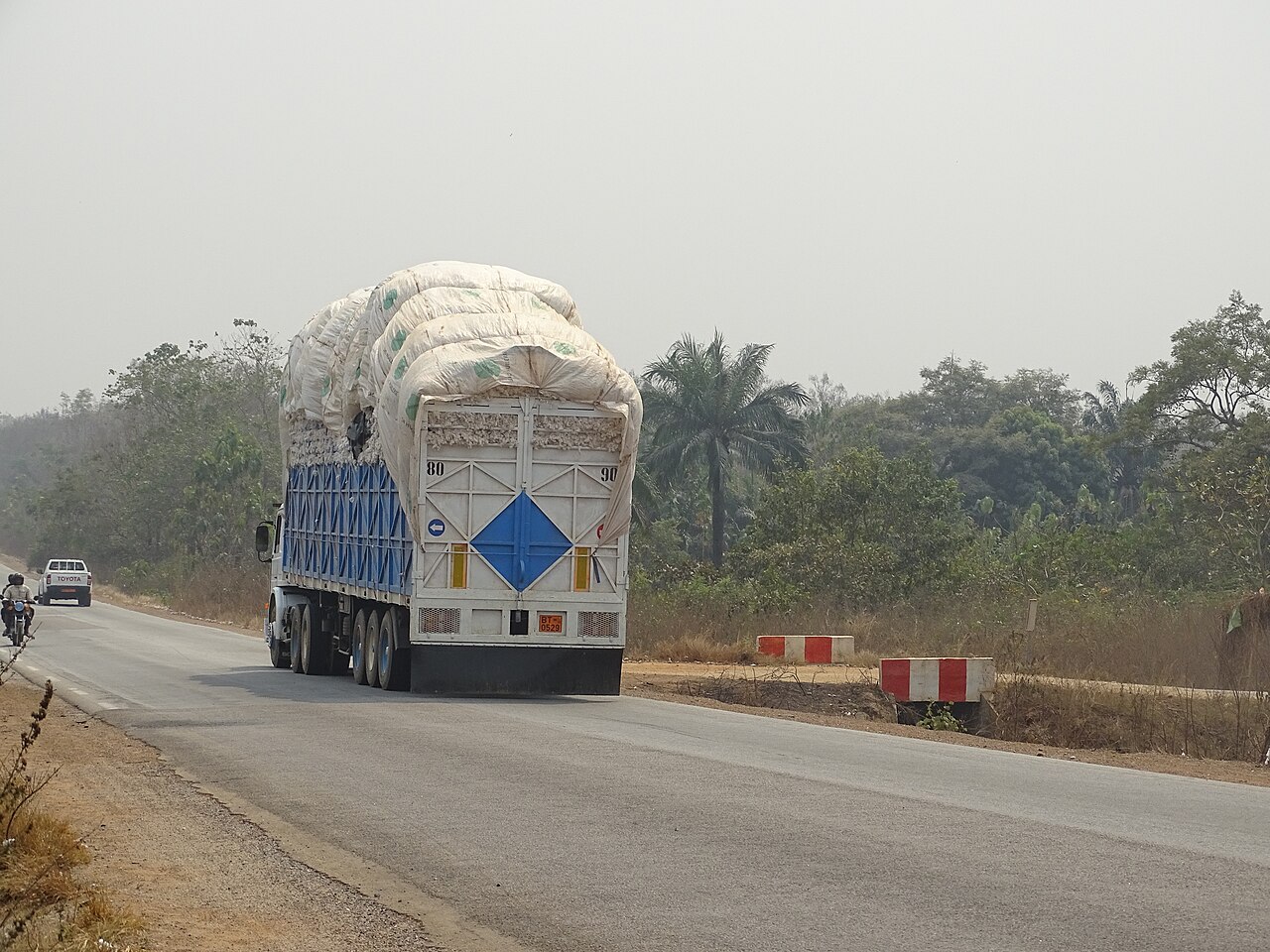
Létondji Béhéton, who runs SIPI-Bénin, the state-backed company that promotes the zone, said it covers 1,640 hectares, with a first 400-hectare phase. He said it processes 40,000 tonnes of cotton fibre a year, about 12.7% of Benin’s output, and can make more than 50 million garments.
He added yearly volumes of 125,000 tonnes of cashew nuts and 260,000 tonnes of soybeans, plus shea and clay-tile lines. He claimed more than 25,000 direct jobs and a goal of 300,000 within five to seven years.
Who Built the Zone and Who Paid
The zone, created in 2020, is a venture between the Benin government and ARISE Integrated Industrial Platforms, a pan-African developer of industrial parks. Afreximbank and the lender BGFIBank were its lenders in 2022, according to law firm Watson Farley & Williams.
Béhéton said Afreximbank organised a syndicated loan of EUR 69.3 million (about FCFA 45.5 billion, about US$77.8 million) for the zone. In March 2025 the bank also gave ARISE a US$450 million credit line, with US$300 million for existing parks including this one.
The 625 MW Power Plan
Béhéton said the zone plans a gas plant of over 225 MW, 300 MW of solar farms and 100 MW of rooftop panels. A 30-kilometre gas pipeline from Maria-Gléta is finished, La Nouvelle Tribune reported.
He said the gas plant could move ahead in the coming months, and construction of the first solar farm should begin within 18 months. Surplus solar power could feed the national grid, but no cost or financing was given.
What the Two Days Cover
Day one of the Afreximbank forum brought a press conference, round tables on textiles, finance and logistics, and pre-arranged business meetings. Day two on Thursday takes visitors through the zone’s infrastructure, factories and logistics sites.
Eustache Kotingan, head of Benin’s employers’ council, urged firms to hold deal meetings under the African Continental Free Trade Area, a continent-wide tariff-cutting pact. He also pointed to the state deposit fund, the Caisse des Dépôts et Consignations, which finances cashew and cotton-fibre plants.
What It Means for US Readers
US apparel brands, food importers and equipment makers looking for African suppliers or factory sites are the forum’s target audience. A bank that lends, guarantees deals and accepts local currencies lowers the risk of doing business in a small market like Benin.
The zone sits in a country the Rio Times has covered closely, from its cotton industrial zone to its 8.1% growth in 2025. Readers can also see the wider US$5 billion plan to keep Africa’s cotton jobs in Africa.
What Is Not Known
No investment, loan or tenant agreement was announced at the Afreximbank forum, and the reports do not say how many companies signed up. The reports also give no cost for the power plan or the new Afreximbank office, or an opening date.
The job, output and export figures were given by the zone’s manager, and no independent audit of them was cited. Reports gave both 400 and 635 hectares for the first phase over time, so the exact size of the developed area is unclear.
More: Africa news in English, every day from The Rio Times.
Frequently Asked Questions
What is Afreximbank?
Afreximbank, the African Export-Import Bank, is a Cairo-based lender owned by African governments and investors that finances trade and industry. It says it has put more than US$2 billion into industrial parks across the continent.
What is the Glo-Djigbé Industrial Zone?
It is the special economic zone near Cotonou that the Afreximbank forum is promoting, built for cotton, cashew and soy processing. Benin and ARISE Integrated Industrial Platforms developed it together, and the zone was created in 2020.
What did the Afreximbank forum announce?
The bank said it will open an office inside the zone and offered long-term loans, guarantees and local-currency payments. It did not announce a new loan or a named investor.
How many jobs does the zone provide?
The manager, SIPI-Bénin, says more than 25,000 direct jobs, and in July it counted about 36 investors, with about 20 running factories. These figures come from the zone’s operator, and no public audit has been cited.
Is the 625 MW power plan under construction?
A 30-kilometre gas pipeline to the zone is finished, but the gas plant is only expected to move ahead in the coming months. Construction of the first solar farm should begin within 18 months.
Sources: Matin Libre, Pour dynamiser les zones économiques spéciales, Afreximbank et la Sipi-Bénin réunissent acteurs économiques et décideurs à Cotonou, 22 October 2026; La Nouvelle Tribune, Bénin : la GDIZ et Afreximbank mobilisent les investisseurs pour l’industrialisation, 21 October 2026; La Nouvelle Tribune, Bénin : la GDIZ prépare une offensive énergétique de plus de 625 MW, 21 October 2026; Matin Libre, Forum des Zones Économiques Spéciales 2026 : les opportunités de la GDIZ sous projecteur, 15 October 2026; Watson Farley & Williams, WFW advises lenders on GDIZ Benin industrial zone project financing, 18 March 2022; APA News, Afreximbank finance des parcs industriels en Afrique, 6 March 2025.
This article was produced by The Rio Times’ automated newsroom system. How we use AI · Report an error · Editorial responsibility: Matthias Camenzind, Editor-in-Chief