Argentina’s Flag Carrier Bets on Airbus A330neo for Long-Haul
Business
Key Facts
—The plan. Aerolíneas Argentinas will add 20 new-generation aircraft between 2027 and 2031, its largest fleet renewal in a decade.
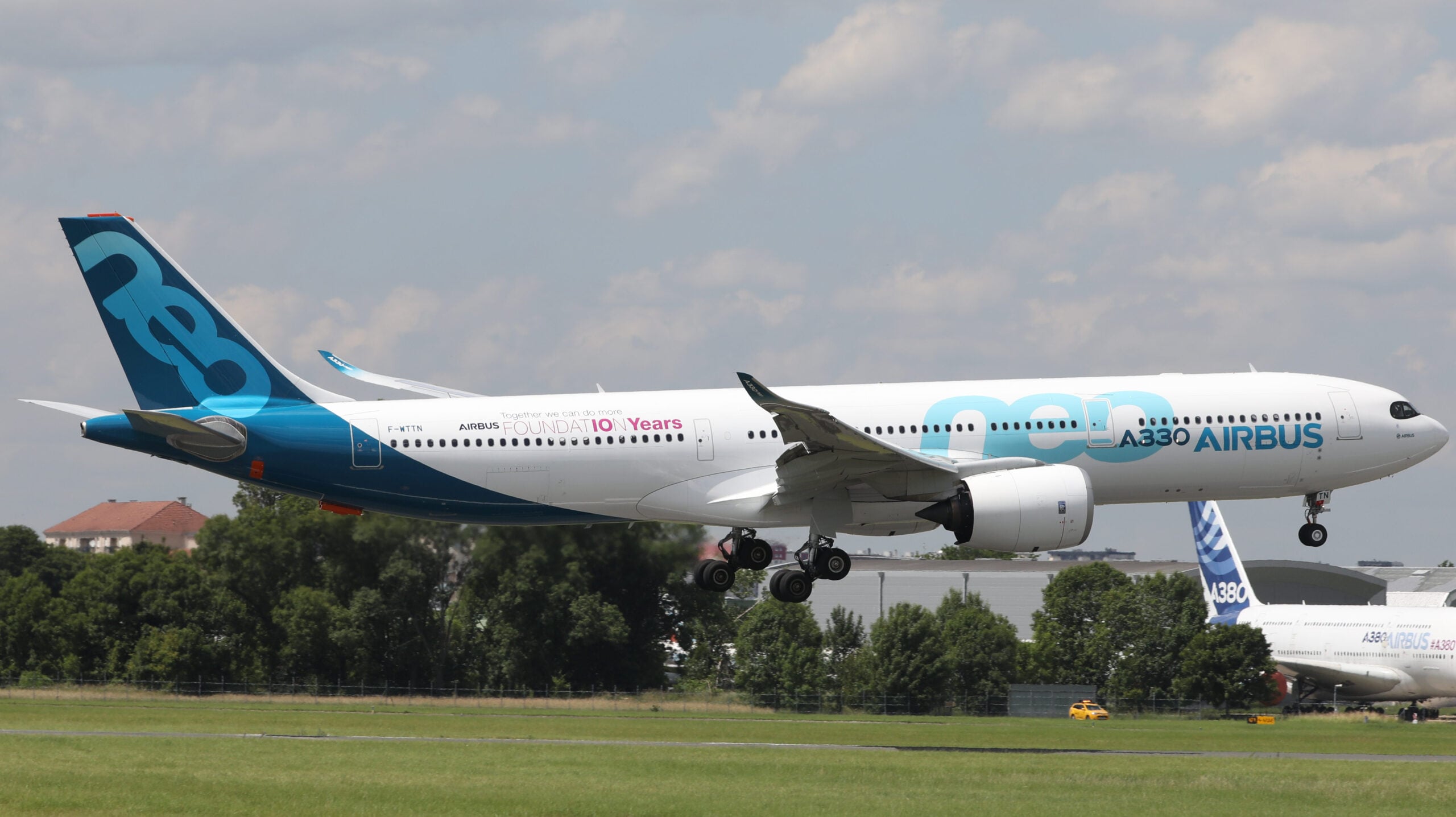
—The long-haul choice. Six Airbus A330neo jets will arrive from the first half of 2028, renewing about 60% of its long-haul fleet.
—The cabin. Each A330neo will seat 291: 30 in Business, 24 in Premium Economy and 237 in Economy.
—The short-haul. The plan also brings Boeing 737 MAX jets for domestic and regional routes.
—The financing. The airline says it will fund the renewal entirely with its own resources.
Argentina’s flag carrier is planning its biggest fleet overhaul in a decade, and it picked the Airbus A330neo for its long-haul future. The Aerolíneas Argentinas A330neo order anchors a 20-plane renewal the airline says it will pay for itself.
Aerolíneas Argentinas is the country’s flag carrier, long a symbol of the state’s role in the economy and, for years, of its losses. Now it is trying to modernize.
The airline unveiled a plan to bring in 20 new-generation aircraft between 2027 and 2031, the biggest recambio of its fleet in a decade.
The A330neo Choice
For long-haul flying, Aerolíneas chose the Airbus A330neo, with six jets due from the first half of 2028. They will renew roughly 60% of its wide-body, long-distance fleet.
Each aircraft will be configured with 291 seats, split into 30 Business, 24 Premium Economy and 237 Economy, a more segmented cabin in line with international trends.
New Narrow-Bodies Too
Alongside the wide-bodies, the plan brings Boeing 737 MAX jets to modernize domestic and regional routes, covering both ends of the network.
Deliveries are staggered across several years, so passengers will see the new cabins arrive gradually rather than all at once.
Paying Its Own Way
Notably, the airline says the renewal will be financed entirely with its own resources, a pointed claim for a carrier that has leaned on state support for much of its history.
That framing fits a broader push to show Aerolíneas can stand on its own commercially rather than draw on the public purse.
Why It Matters
Newer aircraft burn less fuel and cost less to maintain, which matters for an airline under pressure to prove it can operate profitably.
For travelers, it promises more modern long-haul cabins on Argentina’s international routes from 2028.
Why the A330neo Fits Argentina’s Map
The A330neo’s range suits Aerolíneas’ key long-haul corridors well. It can comfortably link Buenos Aires with Madrid, Miami and Rome without weight restrictions.
That efficiency matters for an airline rebuilding its international footprint. The jet’s lower fuel burn directly improves route profitability on these competitive trunk services.
What Happens Next
The first new aircraft of the entire plan arrives in early 2027, a Boeing 737 MAX 8. This domestic workhorse paves the way before the long-haul transformation begins.
Once the A330neos land from the first half of 2028, older wide-bodies will be retired. The airline will then roll out further cabin and connectivity upgrades across its remaining fleet.
More: Argentina news in English, every day from The Rio Times.
Sources
- Infobae – Aerolíneas Argentinas anuncio el mayor plan de renovacion de su flota
- Sir Chandler – Aerolíneas Argentinas formalizo la llegada de los Airbus 330neo
Connected Coverage
- After Years Of Losses, Aerolíneas Argentinas Tries To Stand On Its Own Feet
- Aerolíneas Argentinas Grounds Eight 737-800s After In-Flight Engine Failure
Sources: Aerolíneas Argentinas.
This article was produced by The Rio Times’ automated newsroom system. How we use AI · Report an error · Editorial responsibility: Matthias Camenzind, Editor-in-Chief
Frequently Asked Questions
What aircraft did Aerolíneas Argentinas choose for long-haul?
It selected the Airbus A330neo, with six jets due from the first half of 2028 to renew about 60% of its long-haul fleet.
How many planes is Aerolíneas Argentinas adding?
The airline plans to add 20 new-generation aircraft between 2027 and 2031, including the A330neos and Boeing 737 MAX jets, in its biggest fleet renewal in a decade.
How is the fleet renewal being financed?
Aerolíneas Argentinas says the renewal will be funded entirely with its own resources.