Energy
Key Facts
—The blend. Brazil’s energy council raised the ethanol share in gasoline from 30% to 32%, a temporary move for 180 days.
—The imports. Imported biodiesel is now blocked from the mandatory diesel mix, which must use only Brazilian-made supply.
—The crackdown. A new resolution strengthens the fuel regulator’s fight against fraud and adulteration at the pump.
—The saving. Officials say the higher ethanol blend will cut gasoline imports by around 900 million litres a year.
—The driver. The package is a response to high oil prices tied to the conflict in the Middle East.
Brazil has raised the ethanol blend in its gasoline and shut imported biodiesel out of the diesel mix. The package of energy-council decisions reshapes who wins and loses across the fuel chain.
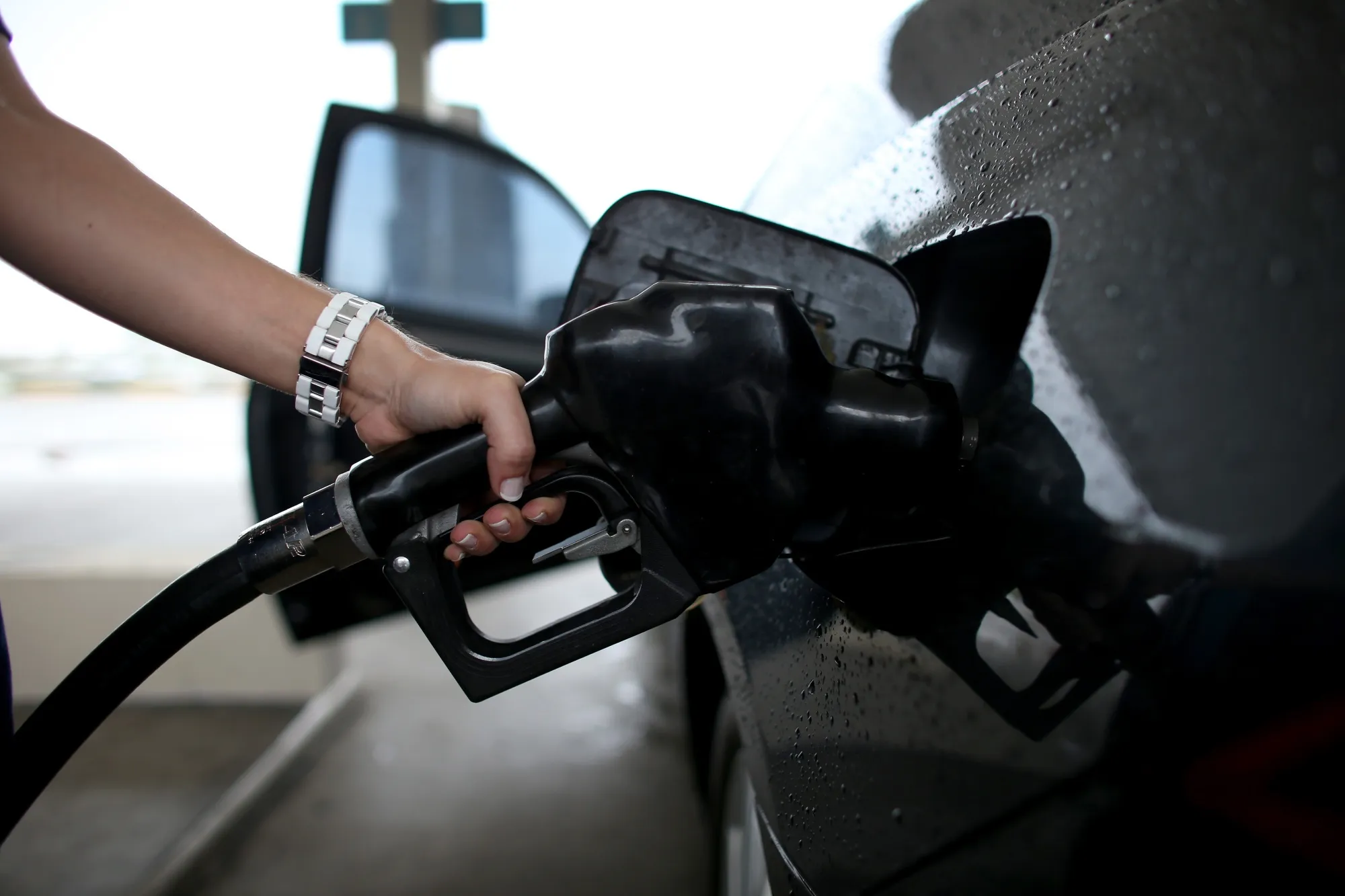
The National Energy Policy Council, known as the CNPE, met on Tuesday after four postponements. It approved a set of measures aimed at prices at the pump and at the country’s reliance on imported fuel.
A higher ethanol blend, for now
The headline decision lifts the mandatory ethanol content in ordinary gasoline from 30% to 32%. Every litre of petrol at the pump will now contain a little more home-grown, sugarcane-based alcohol.
The change is temporary, valid for 180 days and renewable. The government says it will trim gasoline imports by roughly 900 million litres a year, easing pressure from a high oil price.
For ethanol producers, it is a clear win, widening the guaranteed home market for their fuel. A 2024 law already allows blends of up to 35%, so this may prove a waypoint rather than a ceiling.
A wall around biodiesel
The second decision hits importers. Biodiesel used in the mandatory diesel blend must now come only from plants authorised by the fuel regulator, the ANP, in effect barring imports from that market.
The ministry said domestic capacity is more than enough to meet demand without risking shortages. Imported biodiesel can still be sold in other segments, but the change protects Brazilian producers.
Not everyone is pleased. Distributors, service stations and fuel traders had opposed the move, and the importers’ association had lobbied members of the council to keep the market open.
A tougher line on fuel fraud
A third resolution targets fraud and adulteration at the pump. It frames the ANP’s enforcement as a national policy priority, aimed at protecting consumers and preserving fair competition.
The measure encourages coordinated action with prosecutors, consumer bodies, police and the metrology institute. It also pushes certified electronic bookkeeping for retailers and stronger laboratory testing.
What it means at the pump
Separately, the government is still weighing whether to remove a federal subsidy on gasoline worth about 44 centavos a litre. That decision sits with the finance ministry, not the energy council, and hinges on oil prices.
For a foreign reader, the takeaway is how Brazil uses its farmland as a price shield. More ethanol and tighter rules aim to keep pump prices steadier than global oil swings would otherwise allow.
How much did Brazil raise the ethanol blend?
The energy council raised the mandatory ethanol share in ordinary gasoline from 30% to 32%, a step known as E32. It is temporary, valid for 180 days and renewable, and is meant to cut gasoline imports and ease pump prices.
Why did Brazil block biodiesel imports?
Biodiesel for the mandatory diesel blend must now come only from plants authorised in Brazil. The government said domestic capacity can meet demand without shortages, a decision that protects local producers but drew objections from importers and traders.
What is Brazil doing about fuel fraud?
A new resolution treats the fuel regulator’s enforcement against fraud and adulteration as a national policy priority. It calls for coordinated action with prosecutors, police and consumer bodies, plus electronic bookkeeping and stronger lab testing.
More: Brazil news in English, every day from The Rio Times.
Frequently Asked Questions
How much did Brazil raise the ethanol blend in gasoline?
The mandatory ethanol share in ordinary gasoline was raised from 30% to 32%. This temporary change lasts 180 days and is renewable.
Why is imported biodiesel now blocked from the mandatory diesel mix?
The government says domestic capacity is more than enough to meet demand without risking shortages. The move protects Brazilian producers by requiring the blend to use only Brazilian-made supply.
What is the new resolution on fuel fraud about?
It makes the fuel regulator's fight against fraud and adulteration a national policy priority. The measure encourages coordinated action with prosecutors, police, and consumer bodies, plus certified electronic bookkeeping and stronger lab testing.
This article was produced by The Rio Times’ automated newsroom system. How we use AI · Report an error
Read More from The Rio Times