5 Key Steps in the Property Restoration Process
(Sponsored) Property restoration is a vital process that comes into play when buildings suffer damage from disasters such as fires, floods, storms, or other unforeseen events. It involves a series of steps aimed at returning the property to its pre-damage state or better, ensuring safety, functionality, and aesthetics are restored.
Companies like Belfor Property Restoration have been at the forefront of providing such services, setting standards in efficiency and quality. This article will delve into the five critical steps in the property restoration process, providing insights into what each step entails.
Step 1: Assessment and Inspection
The first and arguably the most crucial step in the property restoration process is a thorough assessment and inspection. This step involves evaluating the extent of damage to understand what needs to be done. Professionals from restoration companies, such as Belfor Property Restoration, conduct comprehensive inspections to identify all areas affected by the disaster.
During this phase, the team assesses structural integrity, checks for safety hazards, and identifies any secondary damage, such as mold growth or water infiltration in hidden areas. The information gathered during this assessment forms the foundation for developing a detailed restoration plan. Accurate assessment ensures that no aspect of the damage is overlooked, which is crucial for a successful restoration.
Step 2: Mitigation and Stabilization
Once the assessment is complete, the next step is mitigation and stabilization. Mitigation involves immediate actions taken to prevent further damage to the property. This could include tarping roofs, boarding up windows, or extracting water to prevent mold growth. The primary goal here is to stabilize the environment and prevent additional damage that could escalate the repair costs.
Stabilization is often critical after severe structural damage. It might involve reinforcing weakened structures, ensuring that the building is safe for workers and inhabitants. At this stage, restoration professionals work to ensure that the property is secure and that any immediate threats are neutralized. This step is essential to protect both the property and the people involved in the restoration process.
Step 3: Cleaning and Debris Removal
The third step in the property restoration process is cleaning and debris removal. This step is necessary to clear the affected area of debris and contaminants. Depending on the type of disaster, this could involve removing ash and soot after a fire, extracting water and drying materials after a flood, or clearing debris following a storm.
Professionals use specialized equipment and cleaning agents to ensure thorough decontamination. In cases of water damage, powerful vacuums and dehumidifiers are employed to remove excess moisture, preventing mold growth. For fire damage, air scrubbers and industrial-grade cleaning solutions help eliminate smoke odors and residues.
This phase is not just about aesthetics but also about hygiene and safety. Thorough cleaning ensures that the property is safe for occupancy and that any harmful contaminants are removed.
Step 4: Repair and Restoration
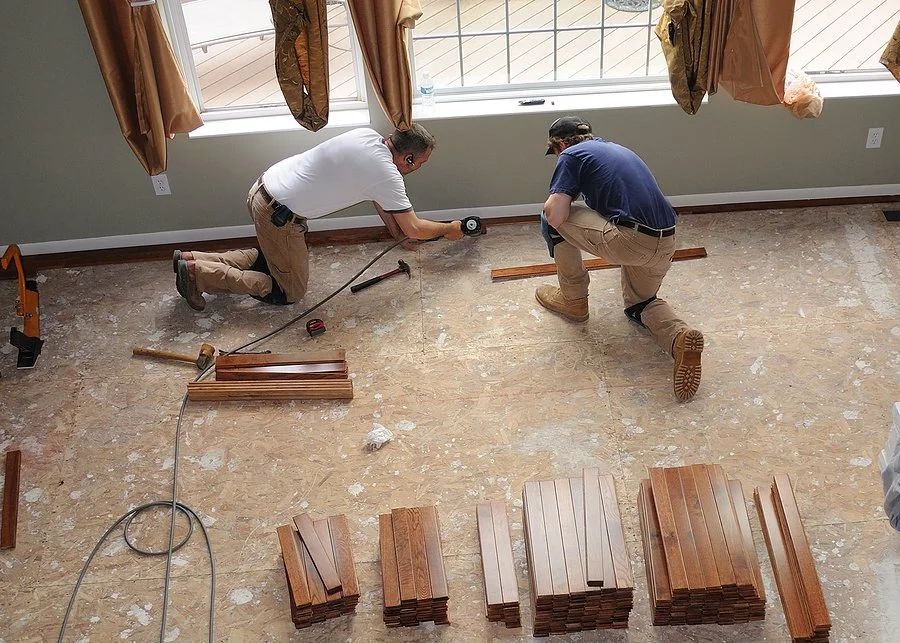
Once the property is clean and stable, the actual repair and restoration work can begin. This step involves repairing or replacing damaged structures and materials. It could range from drywall replacement, painting, and floor repairs to more extensive structural work depending on the damage severity.
Companies like Belfor Property Restoration have skilled teams that handle various aspects of the repair process, ensuring high-quality results. This phase is where the property starts to resemble its pre-damage state, both in functionality and appearance.
The repair and restoration step is often the most time-consuming, as it involves meticulous work to ensure everything is restored correctly. Attention to detail is crucial to ensure the property is not only functional but also aesthetically pleasing.
Step 5: Final Inspection and Quality Assurance
The final step in the property restoration process is often overlooked but is critical for ensuring the success of the entire project. After all repairs are completed, a final inspection and quality assurance check are conducted. This is to ensure that all restoration work meets the required standards and that the property is safe for occupancy.
During this phase, restoration professionals perform a detailed walkthrough, checking each aspect of the restoration work. They look for any missed areas, ensure that repairs are up to code, and verify that all systems (such as electrical and plumbing) are fully operational.
Quality assurance is about ensuring client satisfaction and guaranteeing that the property is restored to its optimal condition. This step provides peace of mind to property owners, knowing that their property is safe, functional, and aesthetically pleasing.
Conclusion
Property restoration is a complex process that requires expertise, precision, and dedication. From the initial assessment to the final inspection, each step is crucial in ensuring successful restoration. Companies like Belfor Property Restoration have honed this process, offering peace of mind to property owners dealing with the aftermath of disasters.
With an understanding of these five key steps—assessment and inspection, mitigation and stabilization, cleaning and debris removal, repair and restoration, and final inspection and quality assurance—property owners can better appreciate the work involved in restoring their properties. By entrusting this process to experienced professionals, they can ensure their property is restored efficiently and effectively, allowing them to move forward with confidence.
This article was produced by The Rio Times’ automated newsroom system. How we use AI · Report an error
Read More from The Rio Times