26 Nations Unite: The Tripartite Free Trade Area Takes Shape in Africa
On July 25, 2024, the COMESA-EAC-SADC Tripartite Free Trade Area (TFTA) Agreement officially came into force.
This landmark event marks a significant milestone in African economic integration. The TFTA unites 26 member countries from three major African trade blocs: COMESA, EAC, and SADC.
Together, these nations represent over 60% of Africa‘s GDP, totaling $1.88 trillion, with a combined population of 800 million.
In addition, the agreement aims to boost intra-African trade by reducing barriers and streamlining market access.
It focuses on three key pillars: market integration, infrastructure development, and industrial growth.
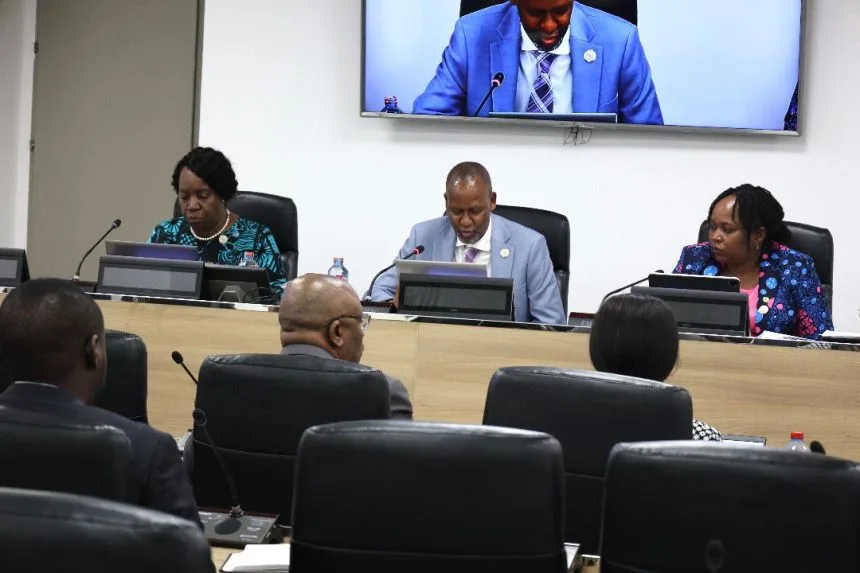
Angola’s ratification on June 25, 2024, pushed the agreement over the required threshold of 14 member states.
Other ratifying countries include Botswana, Burundi, Egypt, Eswatini, Kenya, Lesotho, Malawi, Namibia, Rwanda, South Africa, Uganda, Zambia, and Zimbabwe.
The TFTA’s roots trace back to2008, 2008, when leaders first envisioned this expansive free trade area.
Its goal was to address challenges like multiple memberships in different trade blocs and enhance cooperation among regions. regions.
Beyond just eliminating tariffs, the TFTA aims to improve infrastructure, harmonize policies, and create a more business-friendly environment across eastern and southern Africa.
This comprehensive approach could significantly boost economic growth and development in the region.
As Africa moves towards greater economic integration, the TFTA serves as a crucial stepping stone.
It paves the way for the even more ambitious African Continental Free Trade Area (AfCFTA), which aims to create a single market for the entire continent.
The TFTA’s implementation marks a new chapter in African economic cooperation. It demonstrates the continent’s commitment to overcoming historical barriers and fostering a more integrated, prosperous future for its people.
This article was produced by The Rio Times’ automated newsroom system. How we use AI · Report an error
Part of our ongoing coverage
Africa: The New Scramble — the great-power contest over the continent.
Read More from The Rio Times