YPF Funds Río Negro Oil Pipeline With Debt
Argentina’s biggest oil export project is financed mostly with debt. A new bond sale shows how local investors now share the load.

Business: Argentina
YPF, Argentina’s state-controlled oil company listed in New York, is paying for its Vaca Muerta shale push, in Argentina’s main shale oil formation, with bank loans, bond sales and partner cash. On Thursday 26 November 2026, the pipeline company VMOS (Vaca Muerta Oil Sur) offered up to US$66.3 million of extra notes to local investors.
The line is meant to carry shale oil from Neuquén province to a new export terminal in Río Negro province, on the Atlantic coast. For US readers, it decides how much more Argentine crude can reach tankers, and how much of the bill falls on YPF and its partners.
Key Facts
- Who. YPF, Argentina’s state-controlled oil company, with seven other companies and a provincial energy firm in VMOS.
- What. VMOS offers up to US$66.3 million more local notes on top of September’s US$233.7 million.
- Numbers. Project cost about US$3.3 billion; a US$2 billion bank loan covers about 70% of the capital.
- Next. Pipeline filling is due in January 2027 and first exports in March.
Argentina’s biggest oil export project is financed mostly with debt. A new bond sale shows how local investors now share the load.
The main line runs 437 kilometres from Allen, in Río Negro, to Punta Colorada on the coast. It includes six storage tanks holding 3.77 million barrels and two offshore buoys that load oil onto tankers.
YPF owns 30% of VMOS, according to its Form 6-K (a foreign issuer’s current report) filed with the US Securities and Exchange Commission (SEC) on Wednesday 28 October 2026. The filing says construction was completed in October, commercial operation is on track for year-end, and first oil is expected in early 2027 at about 180,000 barrels a day, rising to about 550,000 in the second half.
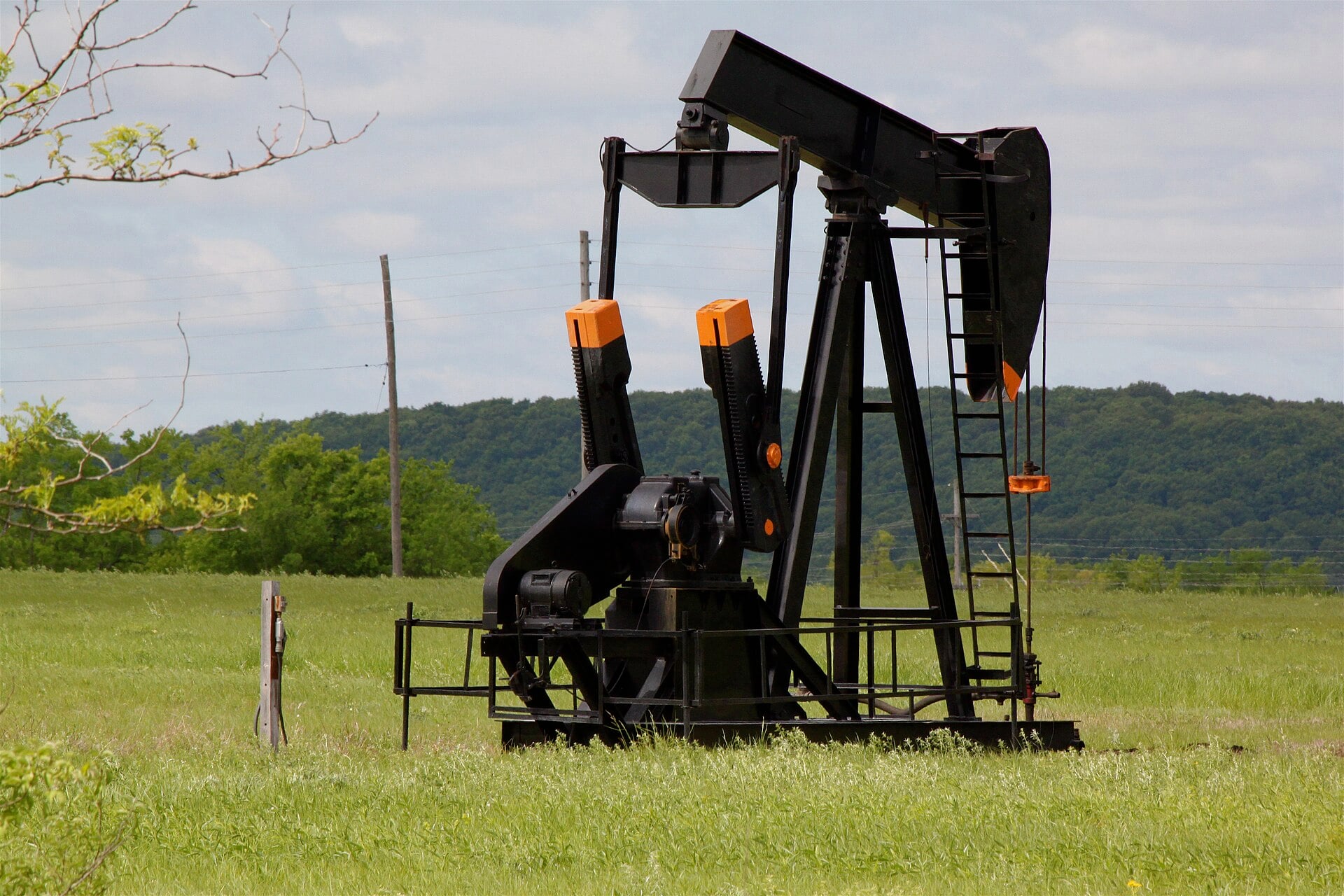
The total bill is about US$3.3 billion, and the plan leans on debt. In July 2025, VMOS signed a five-year syndicated loan of up to US$2 billion at the US dollar benchmark rate SOFR plus 5.5 percentage points, led by Citi, Deutsche Bank, Brazil’s Itaú, JP Morgan and Santander.
The loan covers about 70% of the capital, and the shareholders were to fund the other 30%. They are YPF, Argentine and global oil and gas firms Pluspetrol, Pan American Energy, Pampa Energía, Vista, Chevron, Shell and Tecpetrol, plus the Neuquén provincial energy firm Gas y Petróleo del Neuquén, which holds separate Class B shares.
In September, VMOS sold its first local bond, US$233.7 million at a fixed 6.25% a year, due on 22 September 2030. VMOS called the result, in a statement translated here, “a new sign of investor interest in the development of Vaca Muerta”, after offers of more than twice the US$100 million first planned.
Live Company IntelligenceYPF Sociedad Anonima — the full investor dossier
Price & risk
$30.7052-wk high
$57.87
The new notes are fungible with the September notes, meaning they trade as the same bond, and the final amount depends on the auction and on VMOS’s decision. The notes sit under a US$300 million programme VMOS set up in September.
YPF is carrying its own load as well. Its 6-K shows net debt of US$6.596 billion at 30 September 2026, down from US$7.654 billion three months earlier.
Net leverage, meaning net debt divided by annual earnings before interest, tax and depreciation (EBITDA), was 0.81 times, against 2.10 times a year before. The company spent US$1.287 billion on investment in the third quarter and US$3.607 billion in nine months.
In September it also raised a US$1.2 billion international bond due 2035 at a 7.85% yield. Shale oil output reached 224,100 barrels a day, up 32% from a year earlier, against a December year-end production target of 250,000.
At the Punta Colorada terminal, the design scales up to 550,000 barrels a day. An initial 180,000 to 190,000 is planned, with about 390,000 in a second stage and a possible later expansion to about 700,000.
Project estimates put foreign sales at US$9.3 billion a year, rising to as much as US$17 billion from 2030. Pipe filling is set for January 2027, the next dated test, with first exports in March.
Frequently Asked Questions
What is VMOS?
It is a company owned by YPF, seven other companies and a provincial energy firm. It is building an oil export pipeline from Neuquén to the Río Negro coast.
Who is paying for the pipeline?
Mostly lenders and bond investors. Shareholders supply the rest of the capital.
When will the oil flow abroad?
YPF expects first oil in early 2027. VMOS plans first exports for March.
Further reading: Vaca Muerta Pipeline Seeks US$66M in Bonds
Sources: YPF Form 6-K, 28 October 2026; El Economista, 26 November 2026; LM Neuquén, 18 September 2026; Los Andes, July 2025.
This article was produced by The Rio Times’ automated AI newsroom. Editorial responsibility: Matthias Camenzind, Publisher and Editor-in-Chief. The Rio Times also runs Ask Rio Times, which answers from 100,000+ of our own articles, the daily Latin America Power Map, and prediction-market odds on elections and markets.. How we use AI · Report an error