Wealth at the Top: Sheinbaum’s $10 Million and Lula’s $3.6 Million Dwarf Other LatAm Leaders

A recent analysis by international financial experts reveals significant wealth disparities among Latin American presidents, reflecting broader economic inequalities across the region.
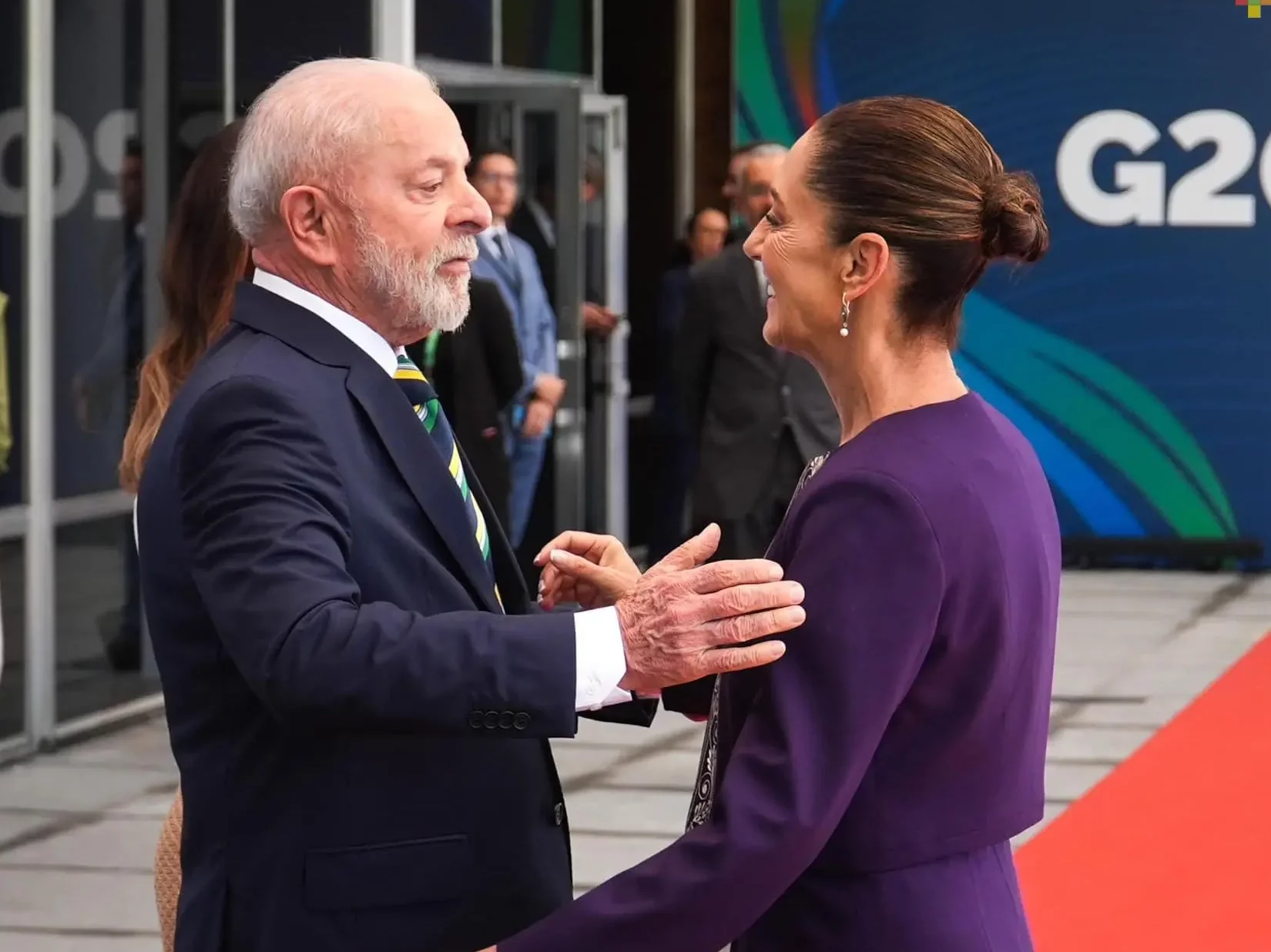
Mexico’s Claudia Sheinbaum tops the list with an estimated net worth between $5 and $10 million. Her wealth stems from academic achievements rather than political connections.
Sheinbaum published over 100 scientific articles and authored two books before entering politics. Brazil’s President Luiz Inácio Lula da Silva possesses approximately $5 million. Lula rose from factory worker to union leader before reaching political prominence.
His administration reduced inequality by 21.49% during his first two terms and lifted 20.6 million people out of poverty. Paraguay’s Santiago Peña holds approximately $2.9 million from his economist career.
El Salvador’s Nayib Bukele follows with $2.5 million, derived from family businesses spanning advertising, textiles, and pharmaceuticals. Venezuela’s Nicolás Maduro maintains about $2 million despite his country’s economic crisis.
Maduro worked as a bus driver before becoming Foreign Minister and eventually President in 2013. The wealth scale drops sharply with Ecuador’s Daniel Noboa at $662,000.
Noboa stands to inherit his family’s $300 million fortune. Argentina‘s Javier Milei possesses just $117,432, while Chile’s Gabriel Boric reports the lowest assets at $36,956.
How Economic Backgrounds Shape Global Leadership
These figures pale compared to global counterparts. Russia’s Vladimir Putin controls between $70 billion and $200 billion through various hidden assets. Elon Musk once acknowledged, “Putin is significantly richer than me.”
Donald Trump holds approximately $5.7 billion, primarily from real estate and his media company. North Korea’s Kim Jong Un commands roughly $5 billion despite leading an impoverished nation. China’s Xi Jinping maintains about $1.3 billion despite communist ideology.
These wealth differences impact policy approaches throughout Latin America. Leaders from modest backgrounds often promote redistributive policies. Wealthier presidents typically favor market liberalization.
The financial resources of these leaders shape their independence in international negotiations. Their economic backgrounds influence how they navigate relationships with global powers like the United States and China.
More: Brazil news in English, every day from The Rio Times.
This article was produced by The Rio Times’ automated newsroom system. How we use AI · Report an error · Editorial responsibility: Matthias Camenzind, Editor-in-Chief