Diplomatic Distance: Rubio Contacts 58 Countries but Excludes Brazil in First 46 Days
According to official State Department records, US Secretary of State Marco Rubio has contacted representatives from 58 countries during his first 46 days in office.
Brazil, however, remains notably absent from this diplomatic outreach. Rubio, confirmed in January 2025, has prioritized other South American nations while ignoring Latin America’s largest economy.
He contacted Argentina, Paraguay, Guyana, and Venezuelan opposition figures, yet made no effort to reach Brazilian Foreign Minister Mauro Vieira. This diplomatic cold shoulder reflects growing tensions with President Lula’s administration.
Trump recently imposed 25% tariffs on Brazilian steel, prompting initial threats of retaliation from Lula. Brazil’s Foreign Minister later walked back these threats, stating Brazil “will not enter into any trade war.”
The snub occurs amid Brazilian Supreme Court Justice Alexandre de Moraes’ controversial actions targeting US-based tech platforms. Moraes ordered the suspension of Rumble, which hosts video content for Trump’s Truth Social platform.
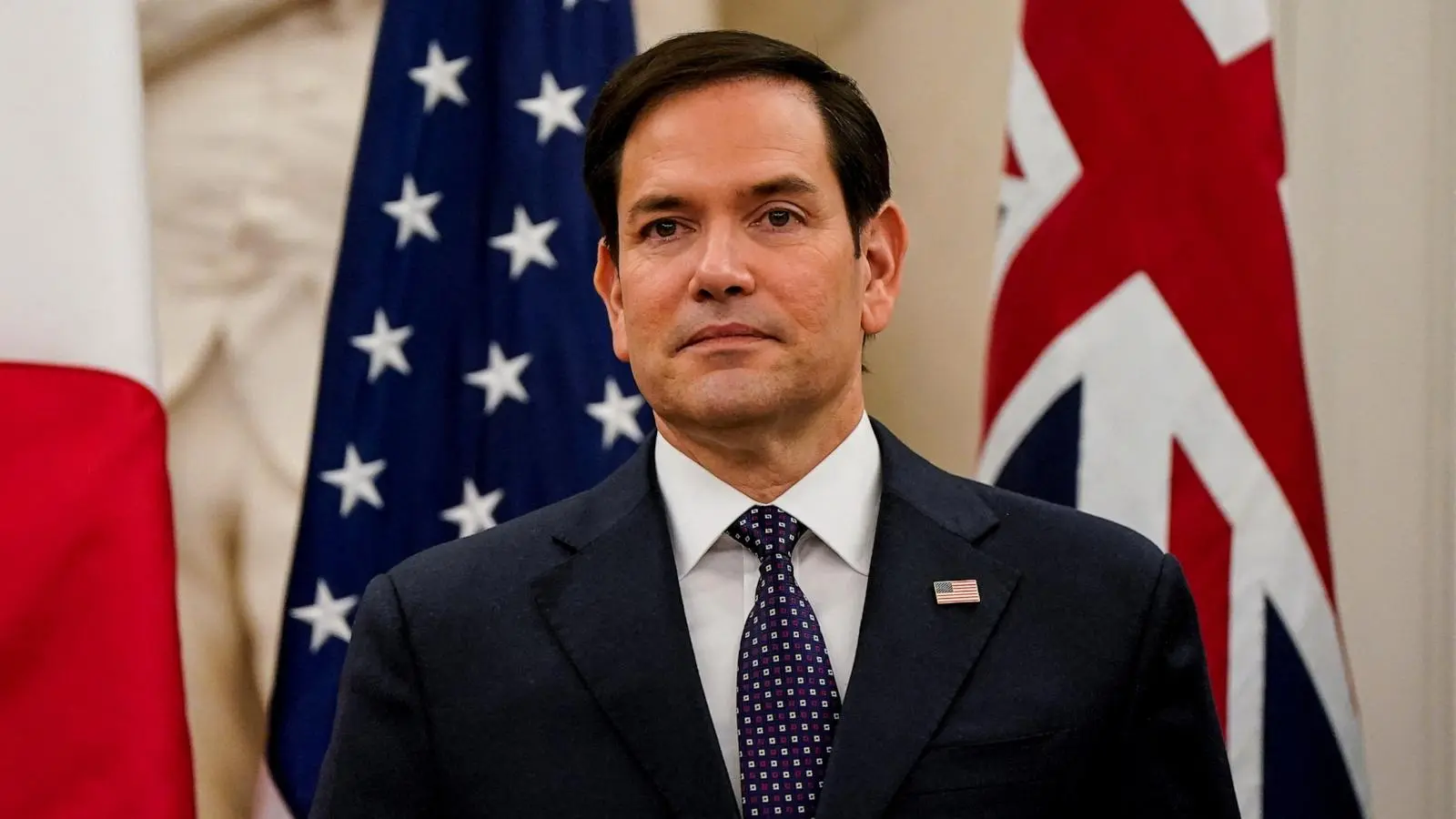
The State Department publicly criticized these decisions as incompatible with democratic values. Trade statistics underscore the economic stakes.
Brazil-US Trade Relations and Political Dynamics
Brazil and the US exchanged $85.79 billion in goods in 2023, with the US maintaining a $6 billion trade surplus. Nearly 130,000 American jobs and 500,000 Brazilian jobs depend on bilateral exports.
The Brazil-US Business Council urges leveraging existing bilateral mechanisms to improve engagement despite political differences. Their 2025 policy priorities emphasize building early relationships with the Trump administration focused on mutual economic benefits.
Rubio’s regional approach follows clear ideological lines. His five-country tour of Central America prioritized curtailing China’s influence, stemming migration, and identifying countries to receive deportees.
He represents the administration’s hardline faction against leftist governments in the region. Brazil’s upcoming role as host for both the BRICS Summit and UN Climate Change Conference presents potential turning points.
These events will test whether economic pragmatism can overcome ideological differences in this crucial bilateral relationship now at its lowest point in decades.
More: Brazil news in English, every day from The Rio Times.
This article was produced by The Rio Times’ automated newsroom system. How we use AI · Report an error · Editorial responsibility: Matthias Camenzind, Editor-in-Chief