Venezuela to Scrap Law Punishing Sanctions
Venezuela’s government-run Assembly plans to scrap a 2024 law that made backing sanctions a crime, as a gesture to opposition talks.
Politics: Venezuela
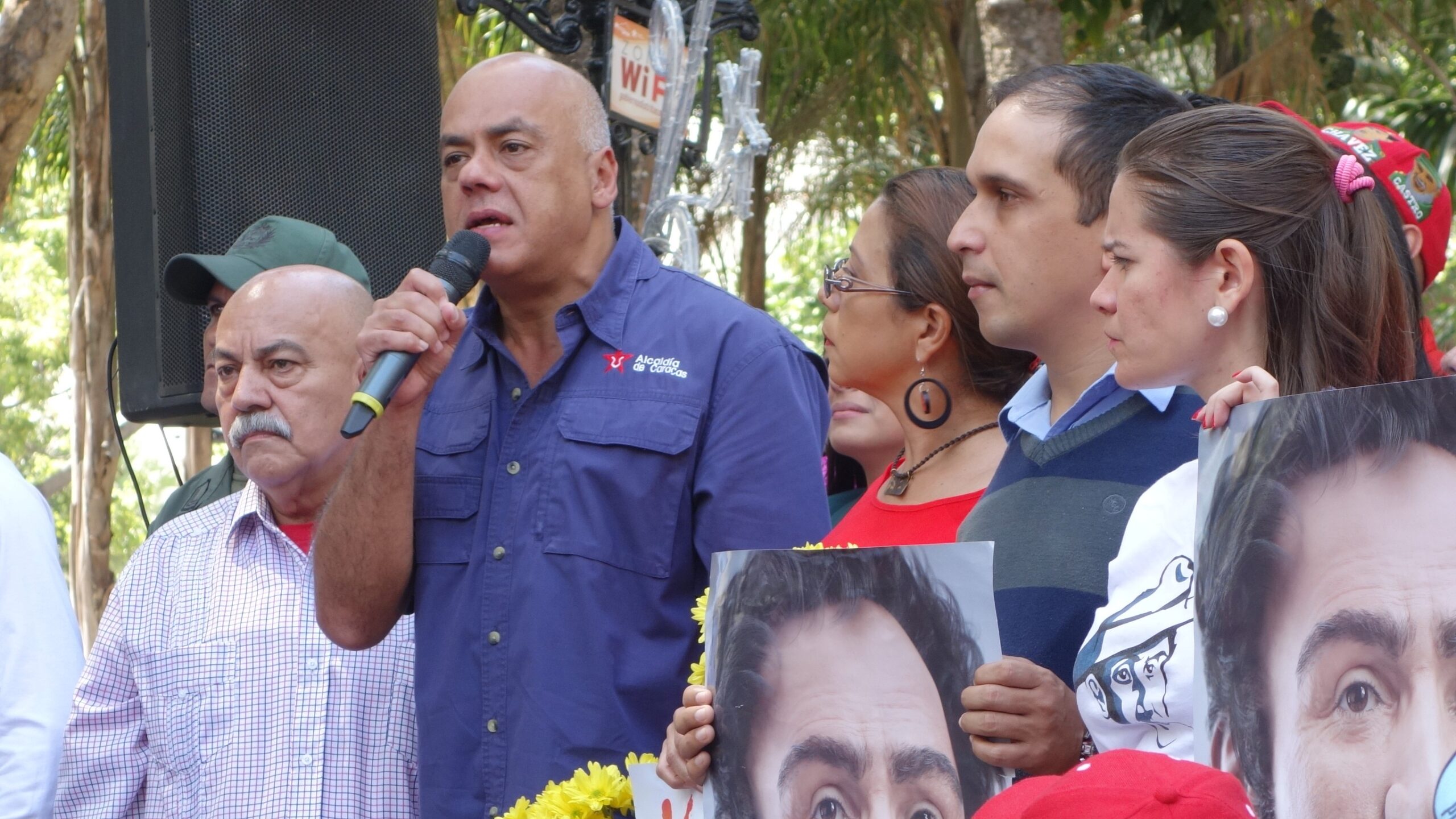
The law that carries up to 30 years in prison for backing foreign sanctions on Venezuela is on its way out. Jorge Rodríguez, president of the National Assembly, said on Thursday, Nov. 26, 2026, that lawmakers will start repealing it on Tuesday, Dec. 1.
Rodríguez negotiates for the government with the opposition-controlled Assembly elected in 2015, and he called repeal “a contribution to the dialogue process.” It matters in the wider story of Venezuela US tensions, because the law targets Venezuelans who back foreign sanctions, including those imposed by Washington.
Key Facts
- Who. Jorge Rodríguez, president of Venezuela’s National Assembly.
- What. Lawmakers will begin repealing the 2024 Simón Bolívar anti-sanctions law.
- When. The process starts Tuesday, Dec. 1, 2026; no vote has been scheduled.
- Prediction markets. Polymarket, a real-money betting platform: Venezuelan election by Dec. 31, 2027, 58.5%; by Dec. 31, 2026, 11.0% (5:35 p.m. ET, Nov. 26).
- As of. 5:40 p.m. ET, Nov. 26, 2026 (6:40 p.m. Caracas).
This story is part of our coverage of the venezuela us tensions. Dates, times and how to follow it are in our guide.
Venezuela’s government-run Assembly plans to scrap a 2024 law that made backing sanctions a crime, as a gesture to opposition talks.
The Assembly, which the ruling party controls, passed the law unanimously on Nov. 28, 2024, and the Official Gazette, Venezuela’s law journal, dates it Nov. 29. Acceso a la Justicia, a Venezuelan legal-aid group, warned in a 2024 analysis that it could bring “civil death” on mere suspicion.
Under articles 11 and 12, the group’s reading shows, taking part in foreign sanctions carries 25 to 30 years in prison plus heavy fines. The law also allows seizure of assets, bans on running for office and the loss of radio and television licences.
“It is a law that fulfilled its purpose in its due time,” Rodríguez said on Thursday, flanked by Pedro Infante, the Assembly’s first vice president, and Grecia Colmenares, its second. “No Venezuelan man or woman has been subjected to the extremes set out in that law.”
He gave two reasons for repeal. One is the proposals of a government coexistence and peace programme directed by Ana María Sanjuán, and the other is the fourth round of talks with the 2015 Assembly, headed by opposition figure Dinorah Figuera.
What Prediction Markets Say
Polymarket traders put the chance of a Venezuelan presidential election being scheduled by Dec. 31, 2027 at 58.5%, and by Dec. 31, 2026 at 11.0% (US$687,942 traded across all dates of that market; 5:35 p.m. ET, Nov. 26). These are bets, not polls.
Why we show this: prediction markets turn real-money bets into a live probability that moves within minutes of the news, which is why investors, campaigns and newsrooms in the United States now follow them closely. We show them next to polls and official results, never instead of them.
The repeal is not a general loosening. A separate anti-hate law, which punishes hate speech, will be reformed rather than scrapped, Rodríguez said, with administrative penalties replacing criminal offences, and Infante is leading the consultation.
The journalists’ union SNTP has demanded full repeal of the anti-hate law. Neither the opposition delegation nor Washington had commented on the repeal plan by Thursday evening, as far as we could find.
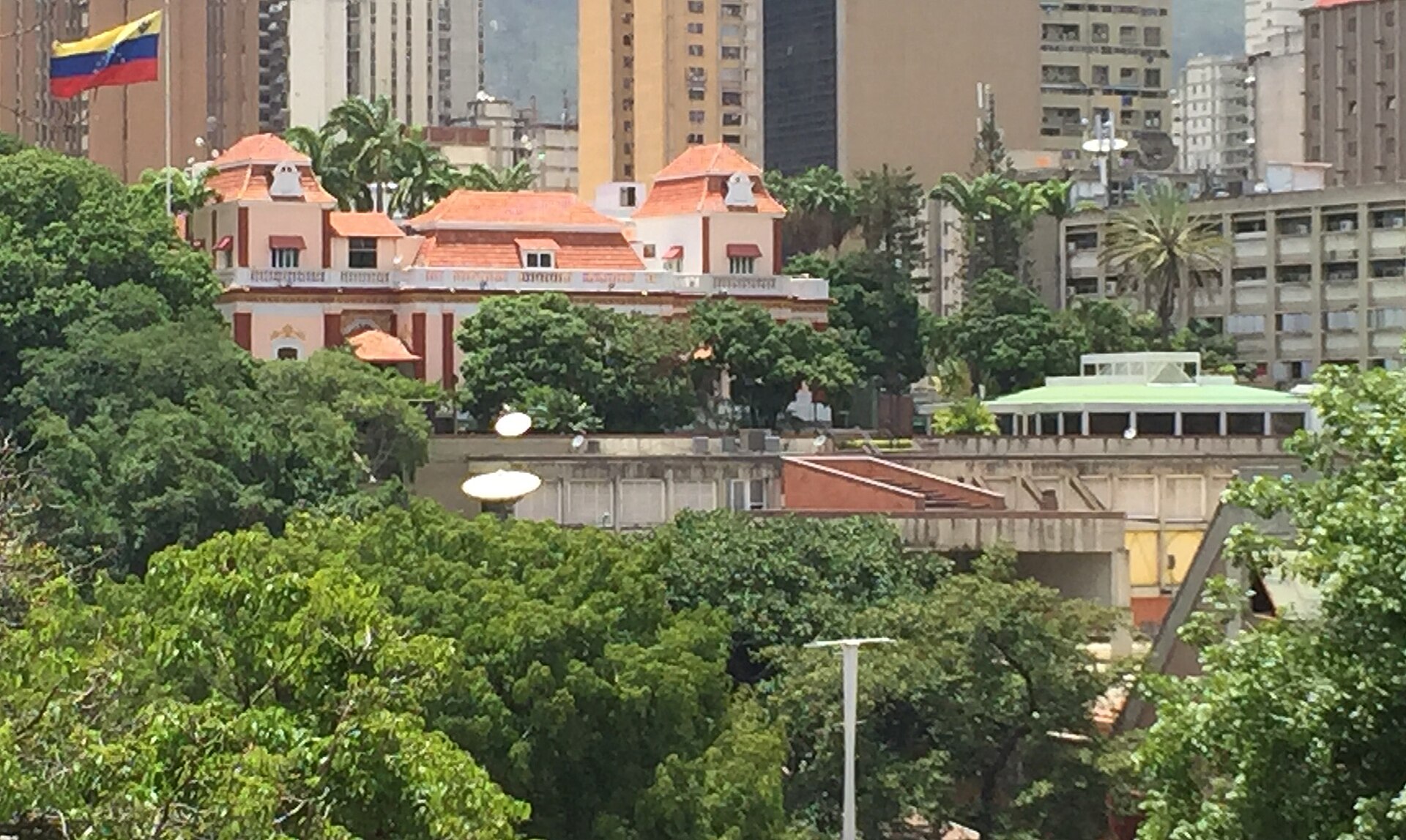
Rodríguez also said talks are making progress on freeing Venezuelan gold held abroad. A commission of three lawmakers and three government representatives will meet first in Caracas with a senior British official expected “in the coming days,” then in London.
The fourth round of talks ended this week. On Tuesday, Nov. 24, the US State Department, which backs the process, said both sides should keep their commitments and work toward credible elections.
For US readers, the law made it a crime to lobby for the sanctions Washington uses as leverage on Caracas. Repeal would lift that threat from opposition figures who speak to US officials, though it would not lift a single US sanction.
The Assembly has said when the process begins, not when a vote would follow. The first date to watch is Tuesday, Dec. 1.
Frequently Asked Questions
Has Venezuela repealed the law yet?
No. The Assembly says the legislative process starts next Tuesday, and no vote has taken place.
Who did the law target?
Venezuelans accused of promoting or joining foreign sanctions against their own country. Legal-aid group Acceso a la Justicia argued it could punish people on suspicion alone.
Does repeal end US sanctions?
No. The law punished Venezuelans who backed sanctions, while the sanctions themselves are decided in Washington.
Sources: Statement by Jorge Rodríguez, Venezuelan National Assembly, Nov. 26, 2026; Acceso a la Justicia analysis of the law (Official Gazette Extraordinary 6.859, Nov. 29, 2024); US State Department (statement of Nov. 24, 2026); Polymarket.
In depth
This article was produced by The Rio Times’ automated AI newsroom. Editorial responsibility: Matthias Camenzind, Publisher and Editor-in-Chief. The Rio Times also runs Ask Rio Times, which answers from 100,000+ of our own articles, the daily Latin America Power Map, and prediction-market odds on elections and markets.. How we use AI · Report an error
Venezuela and the United States
- What Is Going On Between Venezuela and the United States?
- What Is Going On Between Venezuela and the United States?
- Venezuela Geopolitics Explained, US Now Runs Its Oil
- Venezuela Politics 2026, Who Holds Power After Maduro