USAID Under Fire for Alleged Funding to Hamas-Linked Groups
A report by the Middle East Forum (MEF) has revealed that USAID, the U.S. Agency for International Development, allocated $164 million to radical organizations, including $122 million to groups allegedly tied to terrorism.
These findings highlight serious oversight failures in how the agency managed taxpayer dollars in Gaza, a region governed by Hamas, a U.S.-designated terrorist organization.
Investigators found that millions of dollars went to institutions directly controlled by Hamas. USAID officials reportedly visited offices of these groups and even collaborated on joint programs.
NGO Monitor also flagged $200 million allocated to undisclosed beneficiaries in Gaza and the West Bank, raising concerns about transparency and accountability.
This lack of clarity left funds vulnerable to misuse, including potential redirection to support terrorism. USAID’s reliance on self-reporting by grantees, due to restrictions on U.S. personnel entering Gaza, further exacerbated the issue.
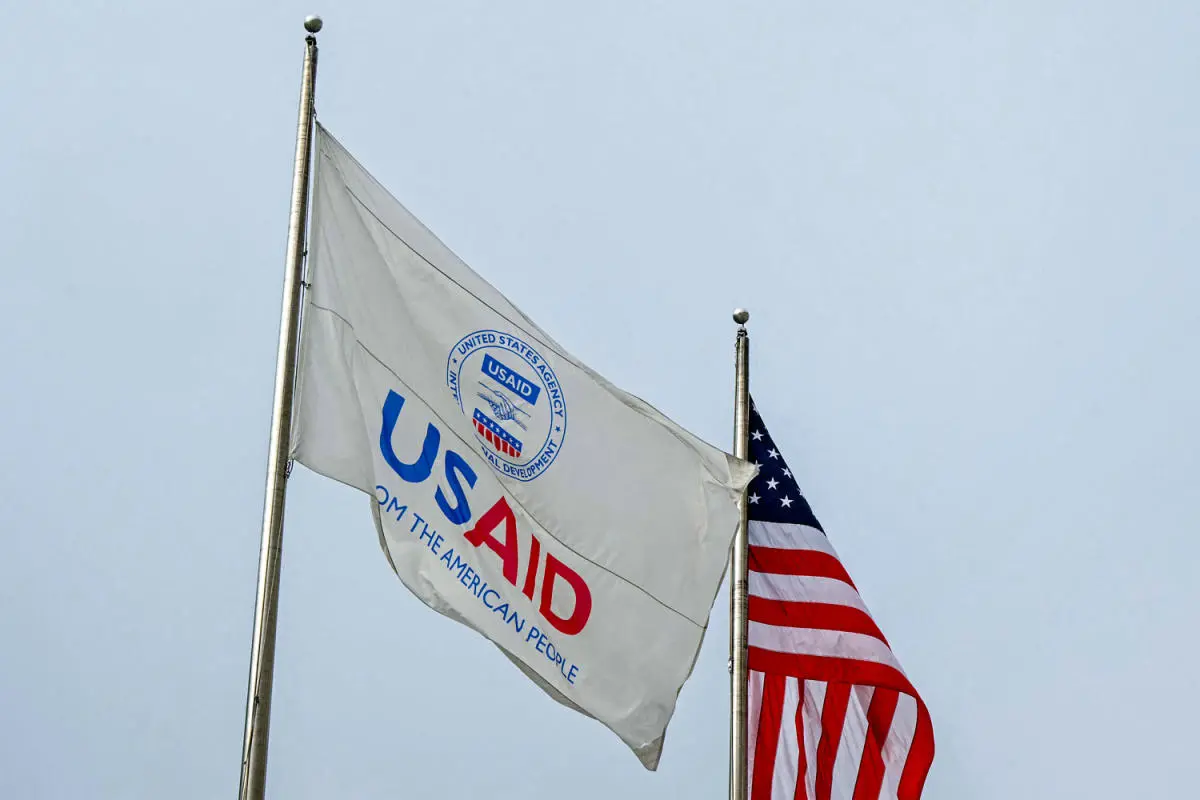
For example, Norwegian People’s Aid settled with the U.S. government for $2 million after admitting it funded Hamas and Hezbollah while receiving USAID grants. Watchdogs repeatedly warned about these risks, but reforms remained insufficient.
The Struggles of USAID
The controversy extends beyond financial mismanagement. During Donald Trump’s presidency, his administration dismantled USAID over frustrations with inefficiencies and internal resistance to U.S. foreign policy priorities.
Reports revealed that some staff opposed military aid to Israel or pushed for policies indirectly benefiting Hamas. Despite these issues, USAID remains vital for delivering humanitarian aid in conflict zones like Gaza.
Since October 2023, the U.S. has provided over $1 billion in aid to Palestinians, much of it through organizations funded by USAID. Critics warn that closing the agency could disrupt essential services for millions in need.
Lawmakers now demand stricter vetting processes and independent audits to prevent future misuse of funds. This case underscores the challenges of balancing humanitarian goals with ensuring accountability in politically sensitive regions.
This article was drafted with automated assistance and reviewed before publication. How we use AI · Report an error
Read More from The Rio Times