Trump’s Gaza Plan: A Radical Rethink After Decades of Failure
(Analysis) On February 9, 2025, aboard Air Force One en route to the Super Bowl, President Donald Trump reiterated his controversial plan to take control of the Gaza Strip.
He proposed transforming the war-torn territory into a thriving economic hub, describing it as a “real estate opportunity” that could bring stability to the region.
Trump’s vision includes clearing Gaza’s ruins, rebuilding it as a Mediterranean tourist destination, and relocating Palestinians temporarily to neighboring countries.
Critics have dismissed the plan as imperialistic, but Trump argues that decades of failed diplomacy demand bold new approaches. The Israeli-Palestinian conflict has defied resolution for decades, with the two-state solution failing to deliver peace or stability.
Israeli settlement expansion has fragmented Palestinian territories, while divisions between Hamas in Gaza and Fatah in the West Bank have blocked progress. Efforts like the Oslo Accords promised gradual autonomy but failed to deliver independence or peace.
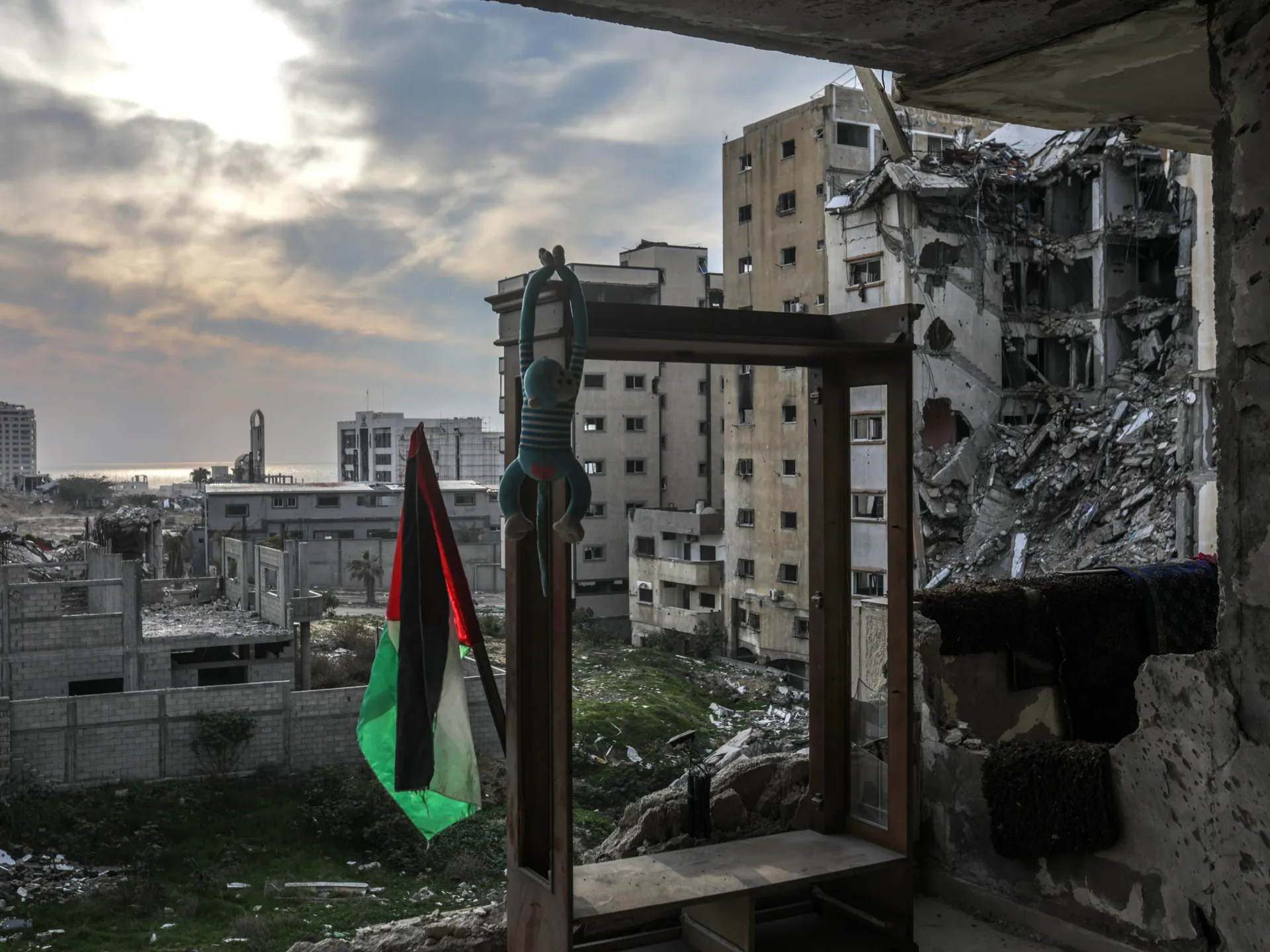
Recent violence, including Hamas’ 2023 attack on Israel that killed 1,300 civilians, has made coexistence seem increasingly unattainable. Trump’s plan represents a stark departure from traditional approaches.
Drawing on his real estate background, he envisions job creation and investment as paths to stability. Steve Witkoff, a developer allied with Trump, estimates rebuilding Gaza could take 10–15 years but sees potential for global investment.
A New Approach or Ethical Dilemma?
Trump argues this economic focus bypasses the political deadlocks that have stymied progress for decades. However, the proposal faces significant challenges. Egypt and Jordan have rejected hosting displaced Palestinians, citing political risks and resource concerns.
Arab nations have condemned forced displacement as illegal under international law. Rights groups criticize the plan for ignoring Palestinians’ right to self-determination and reducing Gaza to a “real estate project.”
Meanwhile, Gaza’s extreme poverty—where over 90% of residents live below the poverty line—and destroyed infrastructure present immense challenges. The United Nations estimates rebuilding could cost $50 billion and take decades without systemic changes.
Proponents argue that traditional approaches have failed so consistently that bold experimentation is necessary. The two-state solution remains an ideal for many but appears increasingly impractical.
While Trump’s proposal raises ethical and logistical concerns, it forces a reevaluation of what is possible in resolving one of the world’s most intractable conflicts. Decades of conventional diplomacy have not delivered peace or prosperity for Palestinians or Israelis.
Whether Trump’s vision is viable or adds complexity remains uncertain. However, as traditional solutions lose credibility, calls for fresh thinking—even controversial ones—are growing louder.
Read More from The Rio Times