UNITED STATES · BOAT STRIKES
Key Facts
- What is happening Judge Paul Engelmayer ruled on 30 September that the Pentagon cannot keep its boat strike legal memo secret as mere advice, and on Tuesday, 27 October the docket shows he refused to reconsider.
- Why it matters The memo is the legal basis for strikes that have killed more than 230 people since September 2025, and a court is testing whether the public may ever read it.
- The numbers The order runs 66 pages and the memo about 48 to 49; sworn court filings are due within 14 days of 27 October, about Tuesday, 10 November.
- Who is who Engelmayer sits on a federal trial court in Manhattan; the ACLU, a US civil-rights group, sued for a memo from the Justice Department’s Office of Legal Counsel.
- What to watch Whether the government files its sworn statements by about 10 November, whether it appeals, and whether any part of the memo is ever made public.
- What it means for you The case tests whether a US president can order deadly force at sea on a legal opinion that voters and the press cannot read.
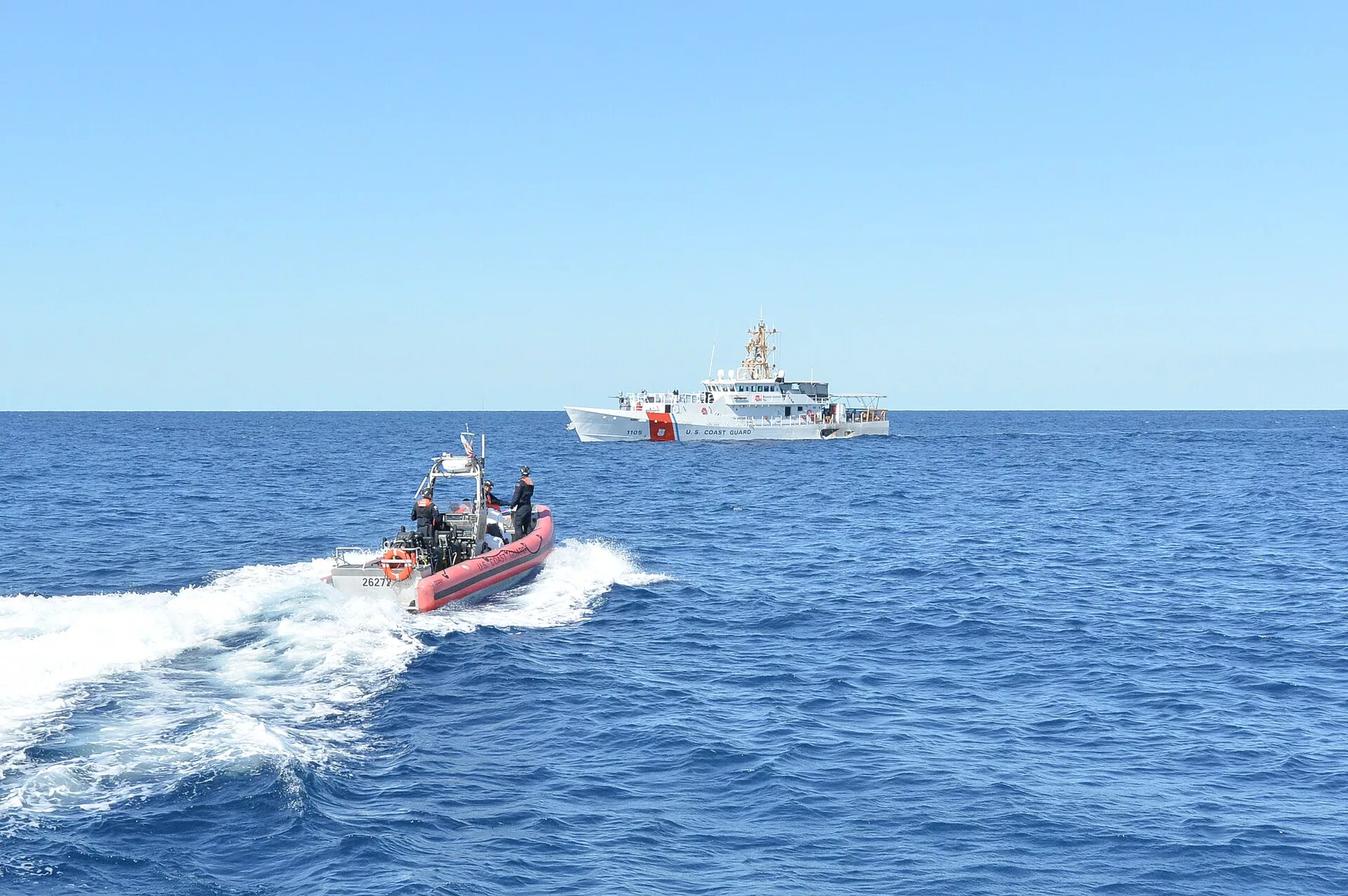
A New York federal judge has refused to undo his order to see the Pentagon’s secret legal memo on deadly boat strikes. The strikes in the Caribbean and Pacific have killed more than 230 people since September 2025.
Judge Paul Engelmayer’s boat strikes ruling of 30 September 2026 still stands after he refused to reconsider it on Tuesday, 27 October. The docket shows he also lifted a temporary stay and kept the deadline for sworn filings.
The ruling concerns a secret Justice Department memo that the Pentagon, the US defence department, treats as its rulebook for boat strikes. The American Civil Liberties Union (ACLU), a US civil-rights group, sued to make the memo public.
What the Judge Decided on 30 September
Engelmayer sits on the US District Court for the Southern District of New York, a federal trial court in Manhattan. His 66-page order answers a lawsuit under the Freedom of Information Act (FOIA), which gives the public a right to government records.
The plaintiffs are the ACLU, its New York affiliate and the Center for Constitutional Rights, a legal-advocacy group. They sued for one memo from the Office of Legal Counsel (OLC), a Justice Department unit that advises the executive branch.
The judge rejected two of the government’s three secrecy claims: protection for internal debate and for lawyer-client advice. He found that the Defense Department (DOD) has adopted the memo as binding policy, which the law calls “working law”.
In his words, the memo “binds DOD and defines the parameters of its authority to undertake boat strikes.” He wrote that the agencies “cannot claim surprise” at this result, because officials kept citing the memo in public.
He held back a ruling on a third claim, the presidential communications privilege, which shields advice given to a president. To decide it, he ordered the memo and sworn declarations on who has read it within 14 days.

What Has Happened Since
The government pushed back within eight days: on Thursday, 8 October it sought partial reconsideration and a stay. The court briefly paused the order’s first directive while it considered the request.
On Wednesday, 14 October the government made the memo available to the court for private review, the docket shows. The ACLU said the same day it would oppose the reconsideration request in a brief due Friday, 16 October.
On Tuesday, 27 October the judge denied the reconsideration request and lifted the stay, the docket shows. The government must now file its sworn declarations for the judge alone within 14 days, which falls around Tuesday, 10 November.
The docket also records that a notice of appeal will not pause the order unless a court says so. These entries come from a summary kept by the Civil Rights Litigation Clearinghouse, a University of Michigan case-tracking project.
- Wednesday, 30 September: judge rejects two of three secrecy claims and orders the memo and sworn statements.
- Thursday, 8 October: government seeks reconsideration; a short stay follows.
- Wednesday, 14 October: memo made available to the judge in private.
- Tuesday, 27 October: reconsideration denied and stay lifted, the docket shows.
- About Tuesday, 10 November: sworn declarations due.
The Memo and the Strikes
The OLC issued the memo on 5 September 2025, three days after the first strike, the court record says. The record says OLC head T. Elliot Gaiser signed it, and lawmakers who read it put it at 48 to 49 pages.
The Pentagon calls the campaign Operation Southern Spear, and it began on 2 September 2025 off Venezuela. It followed a 25 July 2025 directive from President Donald Trump allowing force against foreign criminal groups he designated as terrorist organisations.
Around October 2025 the military extended the strikes to the eastern Pacific, the court record says. The ACLU counted 234 deaths on 30 September and at least 239 by 14 October.
A spokesperson for US Southern Command, the military command for Latin America, said in September that every target met OLC criteria. In July 2026 Acting Attorney General Todd Blanche called the claim that the office hid its legal basis “absolutely not true”.
- FOIA: a US law that lets anyone request government records.
- OLC memo: the Justice Department’s written legal opinion on whether the strikes are lawful.
- In camera review: a judge reads a document in private to decide if it must be released.
- Working law: advice an agency follows as policy, which it can no longer keep secret.
What It Means for You
For US readers the case is about oversight: members of Congress have read the memo, but voters and the press have not. Because the memo is working law, a court, not only the executive, can decide how much the public sees.
For the Caribbean and Latin America it is about accountability for the dead. On 14 October the ACLU marked one year since a strike killed two Trinidadian men, Chad Joseph and Rishi Samaroo.
Related Rio Times reports are US Says Pacific Boat Strike Killed Five and Ecuador Judge Acquits 32 Fishermen in US Boat Case. More is on the Latin America hub and the Defense Monitor.
What Is Not Known
The text of the 27 October order was not available to read, so those details rest on the docket summary. It is also not known whether the government will appeal.
The judge has ruled only on privilege, not on claims that the memo is classified or covered by a national security law. He called it “all but certain” that its legal analysis falls outside those exemptions, but has not ordered release.
Death tolls differ by tracker, and the ACLU gave 234 on 30 September and at least 239 on 14 October. The government has not said who has read the memo, which the sworn declarations must reveal.
What Comes Next
The government’s sworn declarations are due around Tuesday, 10 November, and the judge will then rule on the presidential communications claim. That ruling decides whether any part of the memo is later ordered released.
The government can still appeal to a higher federal court. Nothing so far means the public will see the memo, and the memo itself has not been published.
Frequently Asked Questions
What did Judge Engelmayer rule on the boat strikes memo?
On 30 September 2026 he rejected two of the government’s three privilege claims for keeping the memo secret. He ordered the memo and sworn statements on who has read it within 14 days.
Has the government given the judge the memo?
Yes, the docket shows the memo was made available to the court for private review on 14 October. The government also sought reconsideration, which the judge denied on 27 October.
Will the public be able to read the memo?
Not yet. The judge has still to rule on a third privilege and on classification claims, and the government can appeal.
How many people have the US boat strikes killed?
The ACLU counted 234 deaths on 30 September and at least 239 by 14 October. No official total exists, and counts differ by tracker.
Sources: US District Court, Southern District of New York, ACLU v. Department of Justice, Opinion and Order of 30 September 2026 (No. 25-cv-10189); ACLU press release of 30 September 2026; ACLU press release of 14 October 2026; Civil Rights Litigation Clearinghouse, docket summary, October 2026; ACLU case page (all accessed 31 October 2026).
This article was produced by The Rio Times’ automated AI newsroom. Editorial responsibility: Matthias Camenzind, Publisher and Editor-in-Chief. The Rio Times also runs Ask Rio Times, which answers from 100,000+ of our own articles, the daily Latin America Power Map, and prediction-market odds on elections and markets.. How we use AI · Report an error