H-1B Visa Fee: US Judge Blocks Trump’s US$100,000 Charge on New Hires
UNITED STATES · VISAS
Key Facts
- —What happened Judge Haywood S. Gilliam Jr. of the federal court for Northern California blocked the policies behind the US$100,000 H-1B fee on 30 September 2026.
- —Why He found the agencies skipped the public notice-and-comment process that US administrative law requires, Listín Diario reported.
- —The fee President Donald Trump created the charge on 19 September 2025 and extended it on 18 September 2026 until 21 September 2027.
- —How many paid Over 700 petitions have included the US$100,000 payment, the White House said on 18 September 2026.
- —Still open Higher courts have not settled the dispute, and a Washington court upheld the president’s power to impose the fee in 2025.
The H-1B visa fee of US$100,000 for skilled workers hired from abroad cannot be enforced under current rules, a California judge ruled.
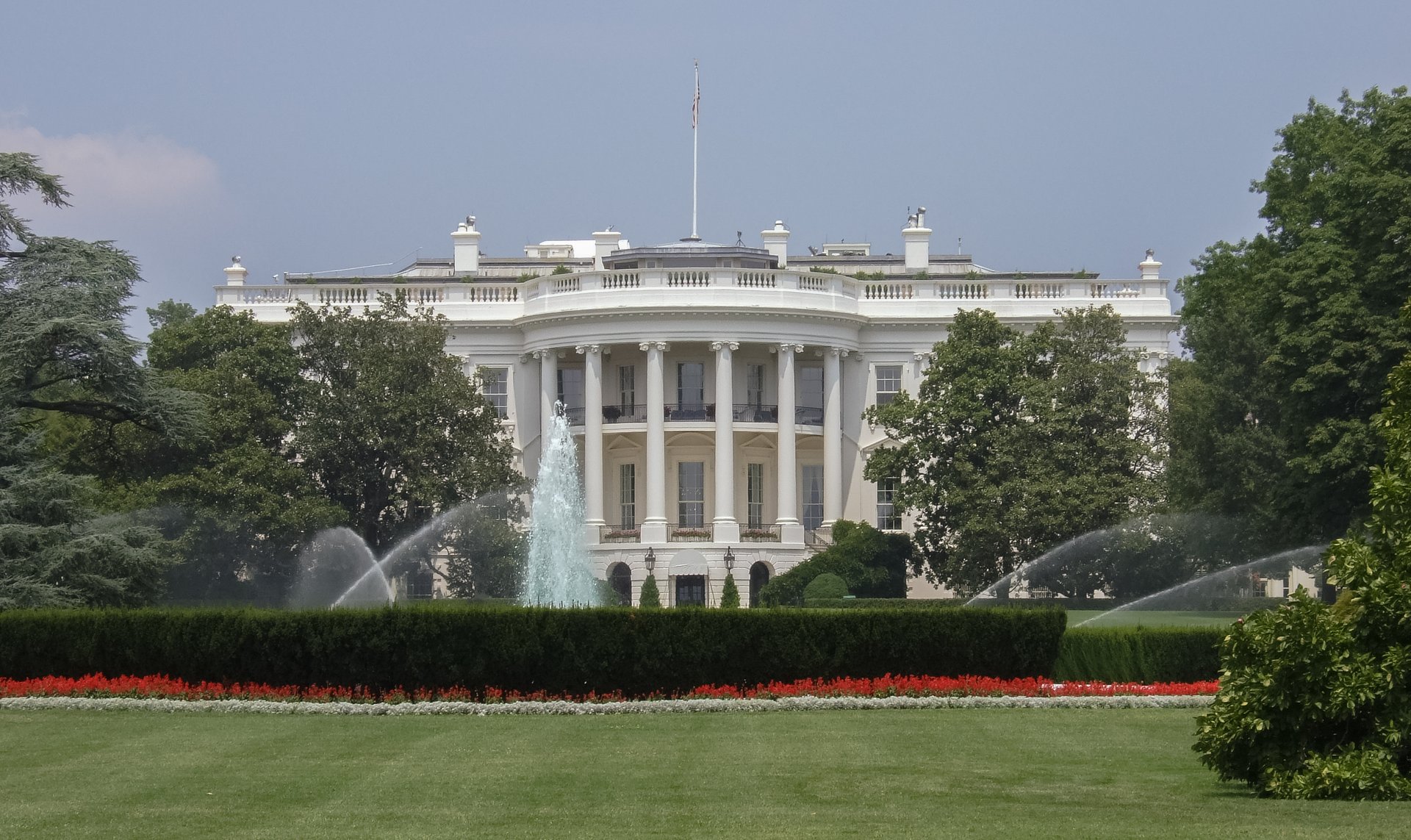
On Wednesday 30 September 2026, a federal judge in California blocked the US$100,000 H-1B visa fee charged on many new foreign hires. It is the second US court to set aside the rules behind President Donald Trump’s charge.
What the judge decided
Judge Haywood S. Gilliam Jr. sits on the US District Court for the Northern District of California, a federal trial court. He partly granted a request for urgent relief from a group of companies and organisations.
The case is called Global Nurse Force v. Trump. The plaintiffs include health-care, education, religious and labour groups.
The order sets aside the policies through which the Department of Homeland Security and other agencies put the fee into practice. It sends those policies back to the agencies and bars them from applying them for now.
The bar lasts until the agencies complete a formal process of public notice and comment. Listín Diario reported the details from the ruling, as seen by the news agency EFE.
What the H-1B visa is
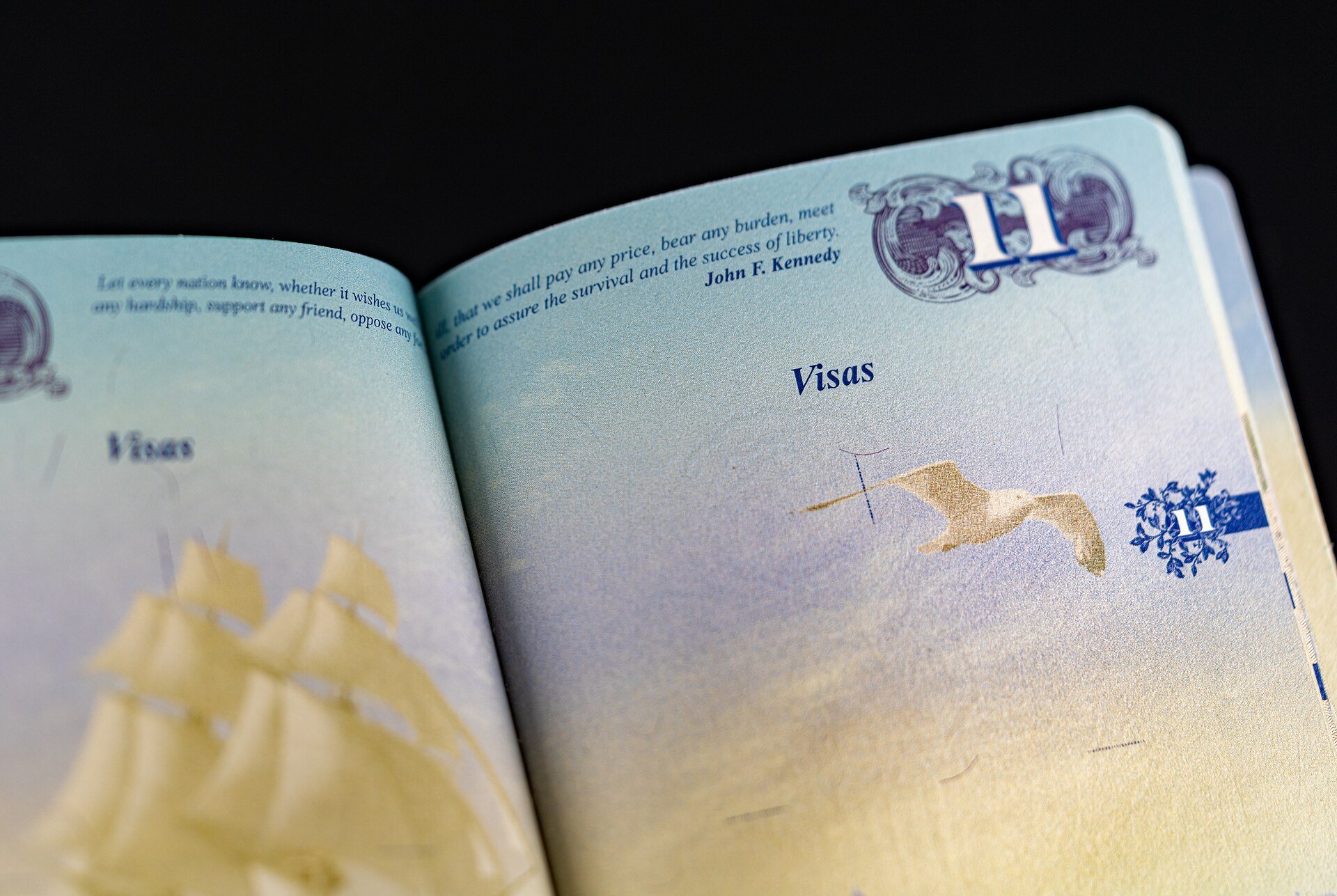
The H-1B is the main US work visa for skilled professionals, such as engineers, doctors and software developers. An employer files a petition for each worker it wants to hire.
Trump’s proclamation of 19 September 2025 added a one-off payment of US$100,000 to new H-1B petitions. It mainly hit employers bringing in workers from abroad, rather than people already in the United States.
The White House called the measure an answer to “systemic abuse” of the programme. On 18 September 2026 Trump extended it for another year, until 21 September 2027.
Why the judge objected
US agencies normally must publish a proposed rule, invite public comment and answer it before a new rule binds anyone. This step comes from the Administrative Procedure Act, the law that governs how federal agencies make rules.
Gilliam found the plaintiffs are likely to show the agencies acted in an “arbitrary and capricious” way. The agencies did not study alternatives or weigh the interests of those affected, he said.
Without those agency rules, the judge reasoned, the US$100,000 charge cannot be applied in practice. The ruling therefore targets the paperwork behind the fee, not the president’s proclamation itself.
A split in the courts
Judges have not spoken with one voice. A federal court in Washington upheld the president’s authority to impose the fee in 2025, Listín Diario noted.
A federal court in Massachusetts later set aside the policies used to apply it. The California ruling now adds a second court on that side.
Neither the Massachusetts nor the California case is final. Appeals courts have yet to give a final answer on the fee.
The government’s case for the fee
The White House says the charge has worked. In its 18 September proclamation it said H-1B registrations by IT staffing firms fell from 24,946 to 2,055, a drop of 92%.
The share of registrants holding a master’s degree rose from 45.1% to 66.1%, it added. It argued that without an extension, “program abuse will resume”.
The proclamation also said over 700 petitions have included the US$100,000 payment since the fee took effect. It also reported a fall of nearly 97% in consular processing requests between fiscal years 2025 and 2027.
More fee changes on the way
The fight over this charge is not the only change in US immigration costs. In August, the Dominican news site Remolacha reported a draft Homeland Security rule for a separate fee of US$103,265.
That draft would apply to H-1B workers hired inside the United States, according to the document seen by EFE. It has not taken effect.
On 30 September, Remolacha also reported that US Citizenship and Immigration Services will raise several fees in line with inflation. Those fees were created by the 2025 budget law known as H.R. 1.
What it means for workers and employers
For professionals in the Dominican Republic and across Latin America, the H-1B is a main route to skilled US jobs. The ruling lowers one barrier, but the legal outcome is not settled.
Employers planning new hires from abroad face uncertainty until higher courts decide. Whether the government will appeal the California order is not yet known.
More: Dominican Republic news, every day from The Rio Times.
Frequently Asked Questions
Is the US$100,000 H-1B visa fee still in force?
A federal judge in California blocked the agency policies behind it on 30 September 2026. A Massachusetts court had done the same earlier. The proclamation itself was extended to 21 September 2027, and higher courts have not ruled finally.
Who has to pay the H-1B fee?
The charge applies to new H-1B petitions, mainly for workers hired from abroad. The White House said over 700 petitions had included the payment by 18 September 2026.
Why did the judge block the H-1B fee?
Judge Haywood S. Gilliam Jr. found the agencies skipped the public notice-and-comment process required by the Administrative Procedure Act. He also found they likely acted in an arbitrary and capricious way.
Sources: Listín Diario · The White House · Remolacha · Remolacha
Read More from The Rio Times