
MEXICO · BORDER
Key Facts
- The country Mexico is the southern neighbor of the United States, and the two countries share a border of nearly 2,000 miles (about 3,200 kilometers).
- What happened Defense Secretary Pete Hegseth signed a memo lending one heat ray weapon to the Department of Homeland Security for seven months.
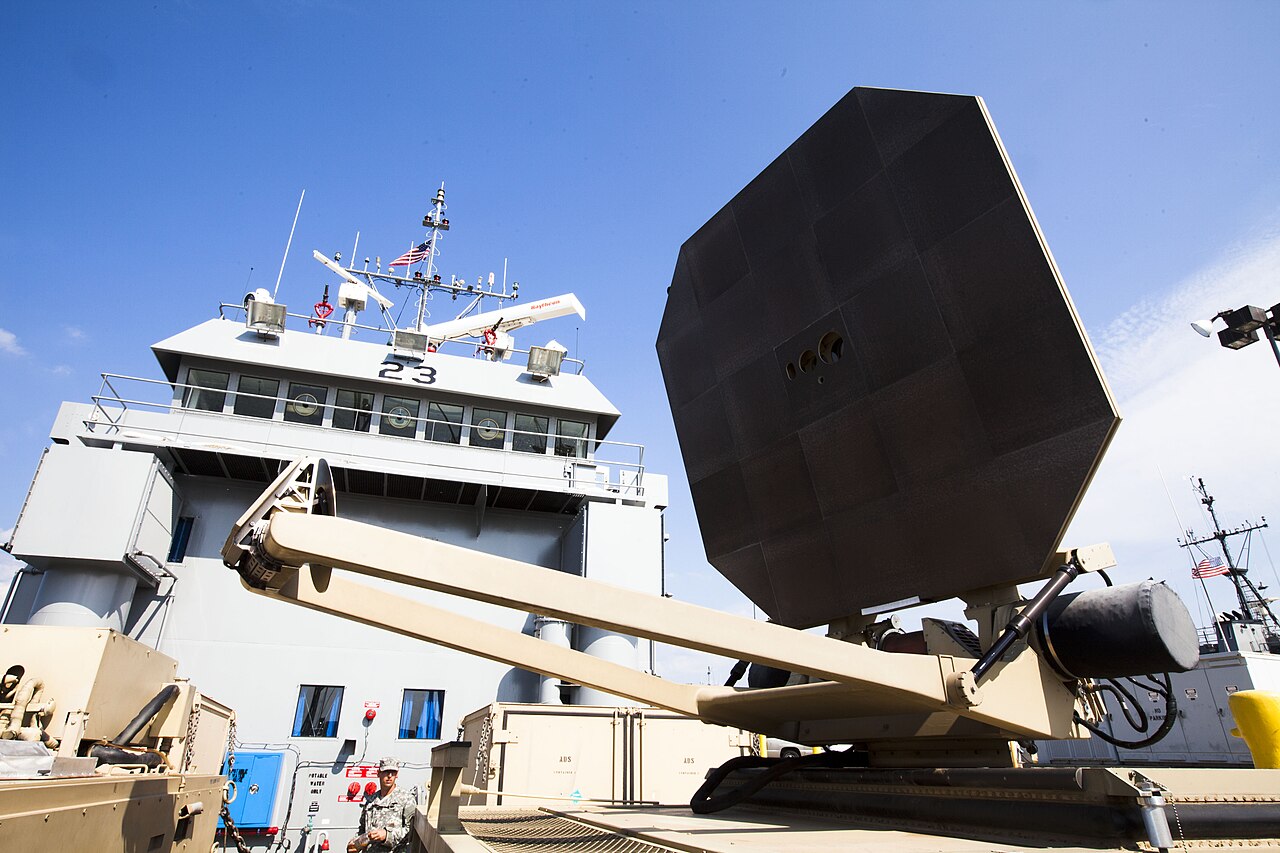
- How it works The vehicle-mounted device sends an invisible 95-gigahertz beam that heats the skin’s surface from just over half a mile (about 800 meters) away.
- The effect The burning feeling lasts about 10 to 15 minutes, and the military says it creates an urge to run out of the beam.
- Who runs it The memo bars Pentagon personnel from operating it, so Customs and Border Protection must write its own rules.
- Still open The approval covers testing only, and no test site, start date or use on people has been announced.
- Power Index Mexico ranks 2nd of 14 in The Rio Times Latin America Power Index, with 71.4 points (October 2026 edition).
The US has cleared a military heat ray weapon for testing at the Mexico border. Defense Secretary Pete Hegseth approved a seven-month loan of the device to the Department of Homeland Security.
The Active Denial System fires an invisible beam that makes skin feel as if it is burning. CNN first reported the memo on 21 October 2026, and Mexico’s Excélsior followed on 22 October.
What the Pentagon Memo Says
The leaked memo lets the Pentagon lend one Active Denial System to the Department of Homeland Security, which oversees border enforcement. The heat ray weapon is on loan for seven months from September, and the agency may ask for more time afterward.
The memo says Pentagon personnel shall not operate it, so the Department of Homeland Security alone decides how it is used. Customs and Border Protection, the agency that includes the Border Patrol, will carry that tactical responsibility.
How the Heat Ray Works
The Air Force Research Laboratory and the Joint Non-Lethal Weapons Directorate developed the heat ray weapon, which sends millimeter waves at about 95 gigahertz. The energy reaches only the outer layer of skin, where it triggers pain receptors without cutting or penetrating deeper.
Military officials compare the feeling to opening a hot oven, and it lasts about 10 to 15 minutes. Cameras guide the beam from a vehicle at targets up to just over half a mile away.
A Weapon Passed Over Before
The Pentagon sent a vehicle-mounted version to Afghanistan in 2010 but never used it there. Officials also weighed it during the 2020 protests after the death of George Floyd, according to a former US official quoted in the CNN report.
In 2018, then Homeland Security Secretary Kirstjen Nielsen rejected a plan to use it against migrants and reportedly called it inhumane. Current and former border officials say the idea has circulated for years without ever reaching the field.
Concerns About Injuries and Sovereignty
The military calls the weapon nonlethal, yet it has caused second-degree burns in at least two documented cases. Excélsior reports that Physicians for Human Rights and members of Congress have warned of burn and eye injuries from long exposure.
Human rights advocates also warn of panic and stampedes in a crowd, with special risks for children and pregnant women. Former officials cited by CNN raised questions about use-of-force rules and about what happens if the beam reaches people standing on Mexican soil.
What It Means for US Readers
For US taxpayers and voters, the heat ray weapon shows how far the administration will go with military technology on the border. For Americans in border cities such as El Paso, San Diego or Laredo, the open question is where a test might take place.
For travelers and cross-border workers, nothing changes at official crossings, because the memo covers testing and not deployment. For defense investors, the loan fits a border tech trend, as with an Army laser that downed cartel drones and a drone ban.
What Is Not Known
The memo does not say where the heat ray weapon will be set up, when testing begins, or whether the beam could reach Mexican territory. Customs and Border Protection has said only that it continually evaluates new technologies that improve operational effectiveness.
The Pentagon has referred its questions to the Department of Homeland Security. No rules for any use on people have been published.
More: Mexico news in English, every day from The Rio Times.
Frequently Asked Questions
What is the Active Denial System?
The Active Denial System is a heat ray weapon built for the US military that sends an invisible millimeter-wave beam at people. It heats the surface of the skin and causes an intense burning feeling that makes most people move away.
Will the US use the heat ray weapon on migrants?
The memo approves testing and the development of tactics only, and it does not authorize use against people crossing the border. The Department of Homeland Security has not said whether it will ever use the device on people.
How long does the loan last?
The Pentagon approved a seven-month loan that began in September 2026. The Department of Homeland Security may ask for an extension after that period.
Is the heat ray weapon safe?
The military calls it nonlethal, and the system has an automatic limit on how long a beam can last. Even so, it has caused second-degree burns in at least two documented cases, and critics warn of injuries and panic in crowds.
Who will operate the device at the border?
The memo says Pentagon personnel shall not operate it, and the Department of Homeland Security is responsible for how it is used. Customs and Border Protection is expected to handle the tactical work.
Sources: Excélsior, EU prueba arma de energía térmica para dispersar migrantes en la frontera con México, 22 October 2026; Straight Arrow News, Pentagon lends DHS weapon for border that makes skin feel like it’s burning, 22 October 2026; The Defense Watch, Pentagon Approves Active Denial System for Potential U.S. Southern Border Use, 22 October 2026; The National News Desk, Pentagon clears DHS to test ‘heat ray’ for possible use at southern border, 21 October 2026.
This article was produced by The Rio Times’ automated newsroom system. How we use AI · Report an error · Editorial responsibility: Matthias Camenzind, Editor-in-Chief