UK Joins France and Mexico Call to Limit UN Security Council Veto
United Kingdom · GEOPOLITICS
Key Facts
- —What happened The United Kingdom joined France and Mexico in urging UN Security Council members to voluntarily refrain from using the veto during mass atrocity crises.
- —How big The initiative, launched in 2015, now has 128 supporters and is said to be one state short of a two-thirds majority of UN members.
- —The catch Even if the initiative reaches a two-thirds majority, it would remain non-binding and would not abolish the veto power itself.
- —Who it hits The five permanent members — China, France, Russia, the UK and the US — hold the veto and can block Council action even when most of the 15-member body supports a resolution.
- —The numbers Security Council Report says the veto has been used 320 times through end-2025, with Russia and the Soviet Union responsible for 155, the US for 94, and the UK for 30.
- —What comes next Supporters want a political norm that raises the cost of vetoing atrocity-response measures, even without changing the UN Charter.
The United Kingdom has joined France and Mexico in calling for UN Security Council veto restraint during genocide, crimes against humanity and other mass atrocities. The voluntary initiative now has 128 supporters, one state short of a two-thirds majority of UN members.
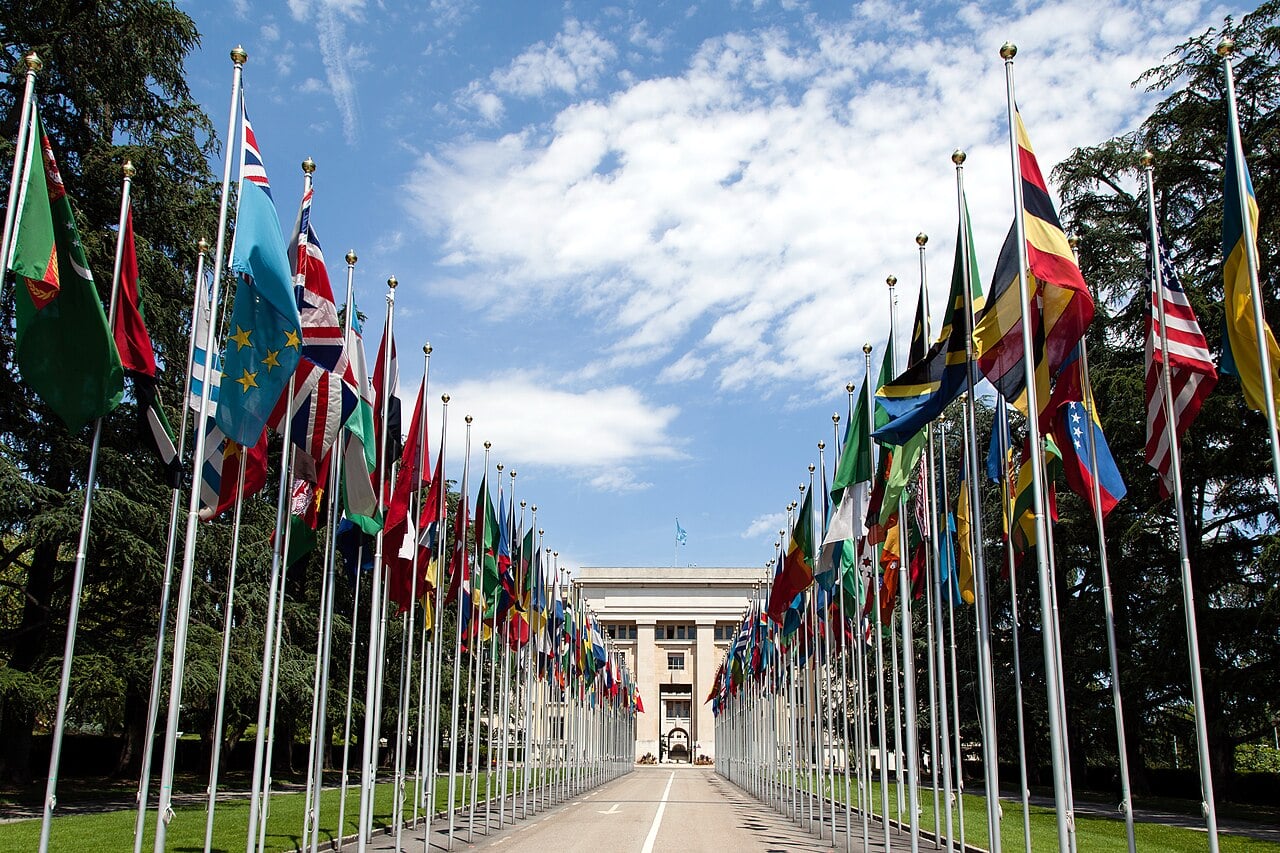
The United Kingdom formally joined a long-running French and Mexican push to limit use of the UN Security Council veto in mass atrocity situations on 21 September 2026. The move adds the weight of a second permanent member to an initiative that remains politically symbolic but is edging closer to a two-thirds majority of UN member states.
What the UK actually joined
The initiative asks UN Security Council members to voluntarily refrain from using the veto in cases of genocide, crimes against humanity and other mass atrocities. It was launched in 2015 by France and Mexico and has now gathered 128 supporters.
Supporters describe the effort as a political norm-building exercise, not a legal change. Even if it reaches a two-thirds majority of UN members, the commitment would remain non-binding.
The UK said it has not used its veto since 1989. That long abstention gives London credibility when urging others to show similar restraint.
Why the UN Security Council veto still matters
The veto is a core great-power privilege embedded in the 1945 settlement that ended World War II. The five permanent members — China, France, Russia, the UK and the US — can block Council action even if most of the 15-member body supports a resolution.
Critics say that makes the Council vulnerable to paralysis in crises where rapid action is needed. Supporters of the initiative want to raise the political cost of vetoing atrocity-response measures.
Security Council Report says the veto has been used 320 times through end-2025. Russia and the Soviet Union account for 155 of those uses, the US for 94, and the UK for 30.
The power politics behind the gesture
This is as much about power as law. The UN system still reflects the privileges granted to the victors of World War II at the top of collective security.
Attempts to curb the veto are therefore aimed at constraining great-power discretion rather than abolishing it. No permanent member has proposed giving up the veto entirely.
China, Russia and the US remain the regular veto users in recent decades. The UK’s decision to join the initiative puts it in a distinct camp among the permanent five.
What the numbers show
The initiative’s 128 supporters put it one state short of a two-thirds majority of UN members. That threshold matters symbolically, even though the commitment would still be voluntary.
The veto count of 320 uses through end-2025 shows how central the power remains to Council dynamics. Russia and the Soviet Union’s 155 uses dwarf the UK’s 30.
The US figure of 94 vetoes reflects Washington’s frequent use of the power, particularly on resolutions related to Israel. The UK last vetoed on 23 December 1989, over the US invasion of Panama, and France has not vetoed since that day either.
The regional read-through for Africa
African crises have often been the subject of Security Council deadlock. Mass atrocity situations in places such as Darfur, Libya and elsewhere have tested the Council’s ability to act.
A norm against vetoing atrocity-response measures could shift how African conflicts are handled at the UN. But the non-binding nature of the initiative means any change would depend on political will in the moment.
The broader contest over UN rules connects to the wider scramble for influence across Africa and the Global South. You can follow that thread in our pillar on Africa: The New Scramble.
What to watch next
The initiative needs one more state to reach a two-thirds majority of UN members. Whether that threshold is crossed will test the political momentum behind the push.
The real test will come the next time a mass atrocity crisis reaches the Security Council. If a permanent member vetoes action despite the new norm, the initiative’s limits will be exposed.
For now, the UK’s move signals that at least two permanent members are willing to accept voluntary constraints on their own power. That is a modest but notable shift in the geopolitics of the UN Security Council veto.
Frequently Asked Questions
What does the UK joining the veto initiative actually change?
The UK’s support adds a second permanent member to a voluntary push that now has 128 supporters. It does not change the UN Charter or remove the veto power.
How many times has the UN Security Council veto been used?
Security Council Report says the veto has been used 320 times through end-2025. Russia and the Soviet Union account for 155 uses, the US for 94, and the UK for 30.
Is the initiative legally binding on Security Council members?
No, the initiative is voluntary and would remain non-binding even if it reaches a two-thirds majority of UN members. It aims to create a political norm rather than a legal obligation.
Connected Coverage
Sources
This article was produced by The Rio Times’ automated newsroom system. How we use AI · Report an error
Read More from The Rio Times