IBOV 182,991.13 ▼ 0.26% IPSA 11,137.59 ▼ 1.06% IPC MEX 64,737.82 ▼ 0.39% MERVAL 2,798,925 ▼ 3.28% COLCAP 2,579.33 ▼ 0.21% BVL PERÚ 60,698.35 ▼ 0.79% USD/BRL5.22▲ 0.80% USD/MXN17.98▲ 1.65% USD/CLP965.70▲ 0.43% USD/COP3,363▲ 2.28% USD/PEN3.44▲ 1.32% USD/ARS1,525▼ 0.02% USD/UYU40.39▲ 0.44% USD/PYG5,843▼ 0.46% USD/BOB11.98▼ 1.56% USD/DOP59.28▼ 0.02% USD/CRC450.38▼ 0.11% USD/GTQ7.63▼ 0.07% USD/HNL26.86▲ 0.03% USD/NIO36.62— 0.00% USD/VES855.74▼ 0.02% USD/PAB1.00— 0.00% USD/BZD2.00— 0.00% USD/JMD 157.28 — 0.00% USD/TTD6.72▼ 0.73% EUR/BRL5.94▲ 0.51% BRENT 88.88 ▼ 0.03% WTI 83.11 ▼ 0.11% IRON ORE 161.91 — — COPPER 6.61 ▲ 0.03% GOLD 4,461 ▲ 1.78% SILVER 65.59 ▲ 1.26% SOY 1,184 ▲ 3.20% CORN 480.50 ▲ 10.02% WHEAT 655.00 ▲ 3.93% COFFEE 317.25 ▼ 5.51% SUGAR 16.43 ▼ 1.79% ORANGE JUICE 138.55 ▼ 0.47% COTTON 85.03 ▲ 2.33% COCOA 5,719 ▲ 3.18% BEEF 223.60 ▼ 3.93% CATTLE 339.10 ▼ 3.16% LITHIUM 75.20 ▲ 1.47% PETR4 41.64 ▼ 0.05% VALE3 72.97 ▲ 0.83% ITUB4 38.60 ▼ 1.03% BBDC4 16.85 ▲ 0.36% ABEV3 14.89 ▼ 0.80% BBAS3 19.37 ▲ 0.47% B3SA3 14.26 ▼ 0.21% WEGE3 47.59 ▲ 0.49% PRIO3 59.14 ▼ 0.19% SUZB3 41.33 ▲ 2.35% RENT3 34.68 ▼ 0.09% AZZA3 15.89 ▼ 2.63% CSAN3 3.22 ▼ 1.83% RAIZ4 0.25 — 0.00% PCAR3 2.75 ▼ 0.36% GMAT3 3.65 ▼ 1.08% PSSA3 48.13 ▼ 0.54% CVCB3 1.33 ▼ 2.92% POSI3 3.36 ▲ 2.44% SLCE3 13.34 ▲ 0.30% NATU3 8.14 ▼ 0.73% IBOV 182,991.13 ▼ 0.26% IPSA 11,137.59 ▼ 1.06% IPC MEX 64,737.82 ▼ 0.39% MERVAL 2,798,925 ▼ 3.28% COLCAP 2,579.33 ▼ 0.21% BVL PERÚ 60,698.35 ▼ 0.79% USD/BRL 5.16 ▲ 0.01% USD/MXN 17.06 ▼ 0.24% USD/CLP 913.98 ▲ 0.04% USD/COP 3,140 ▲ 0.03% USD/PEN 3.36 ▼ 0.66% USD/ARS 1,493 ▲ 0.10% USD/UYU 40.27 ▲ 1.24% USD/PYG 5,939 ▲ 1.68% USD/BOB 11.64 ▼ 0.76% USD/DOP 58.34 ▲ 1.25% USD/CRC 445.92 ▲ 0.89% USD/GTQ 7.62 ▲ 2.21% USD/HNL 26.79 ▲ 1.57% USD/NIO 36.62 ▲ 0.69% USD/VES 762.44 ▼ 0.13% USD/PAB 1.00 — 0.00% USD/BZD 2.00 — 0.00% USD/JMD 157.28 — 0.00% USD/TTD 6.70 ▲ 0.61% EUR/BRL 5.95 ▲ 1.01% BRENT 88.88 ▼ 0.03% WTI 83.11 ▼ 0.11% IRON ORE 161.91 — — COPPER 6.61 ▲ 0.03% GOLD 4,461 ▲ 1.78% SILVER 65.59 ▲ 1.26% SOY 1,184 ▲ 3.20% CORN 480.50 ▲ 10.02% WHEAT 655.00 ▲ 3.93% COFFEE 317.25 ▼ 5.51% SUGAR 16.43 ▼ 1.79% ORANGE JUICE 138.55 ▼ 0.47% COTTON 85.03 ▲ 2.33% COCOA 5,719 ▲ 3.18% BEEF 223.60 ▼ 3.93% CATTLE 339.10 ▼ 3.16% LITHIUM 75.20 ▲ 1.47% PETR4 41.64 ▼ 0.05% VALE3 72.97 ▲ 0.83% ITUB4 38.60 ▼ 1.03% BBDC4 16.85 ▲ 0.36% ABEV3 14.89 ▼ 0.80% BBAS3 19.37 ▲ 0.47% B3SA3 14.26 ▼ 0.21% WEGE3 47.59 ▲ 0.49% PRIO3 59.14 ▼ 0.19% SUZB3 41.33 ▲ 2.35% RENT3 34.68 ▼ 0.09% AZZA3 15.89 ▼ 2.63% CSAN3 3.22 ▼ 1.83% RAIZ4 0.25 — 0.00% PCAR3 2.75 ▼ 0.36% GMAT3 3.65 ▼ 1.08% PSSA3 48.13 ▼ 0.54% CVCB3 1.33 ▼ 2.92% POSI3 3.36 ▲ 2.44% SLCE3 13.34 ▲ 0.30% NATU3 8.14 ▼ 0.73%
since 2009
Tuesday, September 29, 2026

U.S. Debt Interest Burden Soars to 28-Year High, Raising Fiscal Concerns

By · October 21, 2024 · 2 min read

The LatAm Brief

One email, every weekday morning. What moved in Latin American markets, politics and expat life.

Yesterday’s subject line: “Brazil votes Sunday. The courts are deciding.”

Free. We send a confirmation link first — nothing arrives until you click it. Unsubscribe with one click in any edition. If you stop opening us for 30 days we stop sending by ourselves, as we assume the interest is no longer there. See our privacy policy. We never share your email.

The United States government faces a growing challenge as its debt interest costs reach levels not seen since the 1990s. This development has sparked concerns about future policy options for the next administration in Washington.

In the fiscal year ending September, the US Treasury spent a staggering $882 billion on net interest payments. This amounts to roughly $2.4 billion per day, representing 3.06% of the country’s gross domestic product (GDP).

Several factors have contributed to this surge in interest costs. Historically high budget deficits have led to a significant increase in outstanding debt over recent years.

Free daily brief — no card needed
Get every North America story in one morning email
We build you a personalized brief around the topics you follow — free for 7 days. Love it? Your first month after that is US$1.

These deficits stem from rising Social Security and Medicare expenses, as well as extraordinary spending to combat COVID-19.

Additionally, the 2017 tax cuts have limited government revenue. Inflation-driven interest rate hikes have further exacerbated the situation, pushing up borrowing costs for the government.
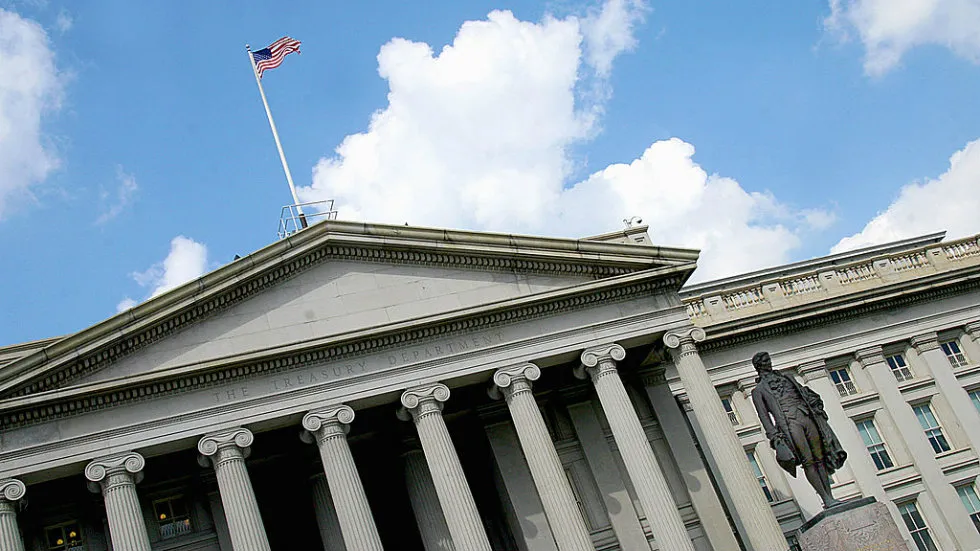
U.S. Debt Interest Burden Soars to 28-Year High, Raising Fiscal Concerns
U.S. Debt Interest Burden Soars to 28-Year High, Raising Fiscal Concerns.
One-stop reference
Company Intelligence
Every listed company in Latin America — financials, ownership and structure for 1,450+ companies across 26 exchanges, in one place.
Browse the directory →
RT
Ask Rio Times
17 years of Latin America reporting, on demand.
Open the full Ask Rio Times →

The mounting interest burden has now surpassed the Department of Defense’s spending on military programs. It also accounts for nearly 18% of federal revenue, almost double the figure from two years ago.

This fiscal predicament looms large over the upcoming administration, regardless of who wins the presidency. With a closely divided Congress expected, even a single deficit-averse lawmaker could potentially obstruct spending and fiscal plans.

The Impacts of Rising Debt and Interest Costs

The Federal Reserve‘s shift towards lowering interest rates offers some relief to the Treasury. However, the sheer magnitude of interest costs continues to add to the overall public debt burden, which now approaches $27.7 trillion.

Economists warn that high interest payments could hinder economic growth by displacing private investment. The non-partisan Congressional Budget Office estimates that each additional dollar of deficit-financed spending reduces private investment by 33 cents.

While Treasury Secretary Janet Yellen has downplayed concerns, many economists believe the debt will continue to rise regardless of who wins the upcoming election.

The Committee for a Responsible Federal Budget projects significant debt increases under both major candidates’ economic plans.

The aging US population will likely drive up Social Security and Medicare costs, contributing to sky-high budget deficits in the coming decades without reforms.

This pressure has already squeezed discretionary spending, which now represents only 30% of total federal expenditure, down from 70% in the 1960s.

Despite these challenges, investors currently show little concern about US fiscal issues. However, if market sentiment shifts, it could prove pivotal for Washington’s future policy decisions.

As the fiscal landscape evolves, policymakers face tough choices in balancing economic growth, social programs, and debt sustainability.

In short, the coming years will likely see intense debates over tax policy, spending priorities, and long-term fiscal health.

This article was produced by The Rio Times’ automated newsroom system. How we use AI · Report an error

Read More from The Rio Times

The Rio Times · Power Map
See who really holds power in Latin America
Click to open the Power Map →

Rotate for Best Experience

This report is optimized for landscape viewing. Rotate your phone for the full experience.