By 2060, America will likely become a majority-minority nation, with Latinos playing a crucial role in shaping its political future.
As the largest minority group, the Latino population has grown to over 62 million, with 36 million eligible voters.
This demographic expansion, which has surged by 12% since 2020, is significantly influencing battleground states like Arizona, Georgia, and Nevada.
This evolving demographic landscape is prompting a shift in political affiliations.
Historically leaning towards the Democratic Party, there has been a noticeable pivot among Latino voters towards the Republican Party, with support increasing from 28% in 2016 to 38% in 2020.
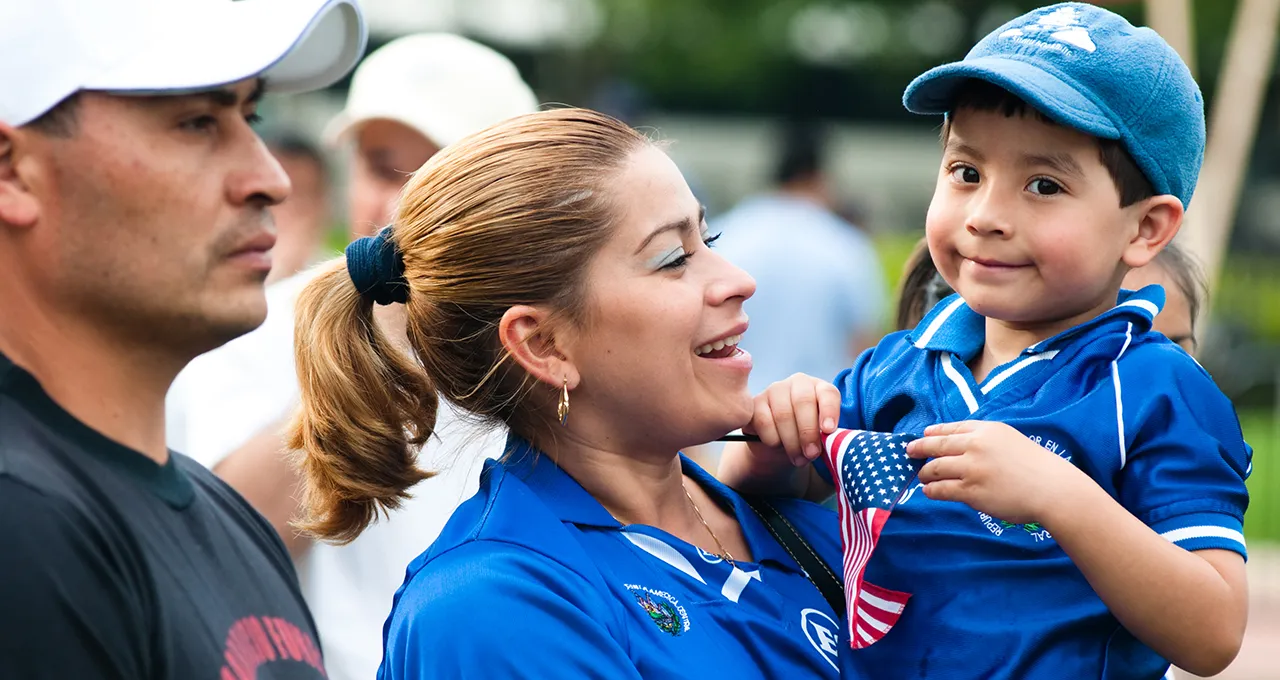
President Biden has invested $30 million in minority outreach initiatives to engage the diverse electorate.
Similarly, conservative groups are actively working to sway Latino voters with comparable efforts.
The Latino vote is significant due to its diverse socio-economic impact and expected doubling by 2060.
Complex political preferences among Latinos, influenced by economic stability and social policies, challenge the idea of a uniform voting bloc.
These preferences underscore the necessity for tailored political strategies.
As both parties vie for their support, the Latino community’s potential to influence U.S. politics is more pronounced than ever.
Each vote from this community shapes the nation’s political landscape, making their engagement crucial for future strategies.
This demographic shift redefines the voter base and sets the stage for future political dynamics.
Understanding and addressing Latino voters’ needs and preferences is vital as their influence grows, marking a pivotal moment in American politics.
Background
A recent study reveals that the U.S. Latino community contributed $3.2 trillion to the economy in 2021.
If isolated, this contribution would place them fifth globally, ahead of the UK and behind Germany.
Latinos have a high labor force participation and are a rapidly growing demographic.
Over the last decade, their income rose by an annual rate of 4.7%, compared to 1.9% for non-Latinos.
From 2011 to 2021, Latinos drove 20.9% of the nation’s real GDP growth.
This article was produced by The Rio Times’ automated newsroom system. How we use AI · Report an error
Read More from The Rio Times