The Heart of Homicides: Unraveling Brazil’s Crime Hotspots in 2022
In 2022, Brazil recorded an astonishing 46,400 homicides, with half of these violent acts clustered in less than 3% of its municipalities.
This statistic is from the annual Violence Atlas by the Institute for Applied Economic Research and the Brazilian Forum on Public Security.
This investigation highlights that 166 towns, effectively 162 due to ranking ties, bore the brunt of this violence.
These areas hold just 37.2% of Brazil’s population yet face a disproportionately high level of violence.
Among them, 24 are in Bahia, 19 in Rio de Janeiro, and 16 in São Paulo, with Florianópolis notably absent from the list.
The five worst cities are all in Bahia, a state that ranks among the lowest in many categories and contributes significantly to Brazil’s negative reputation.
These cities are: Santo Antônio de Jesus, Jequié, Simões Filho, Camaçari, and Juazeiro.
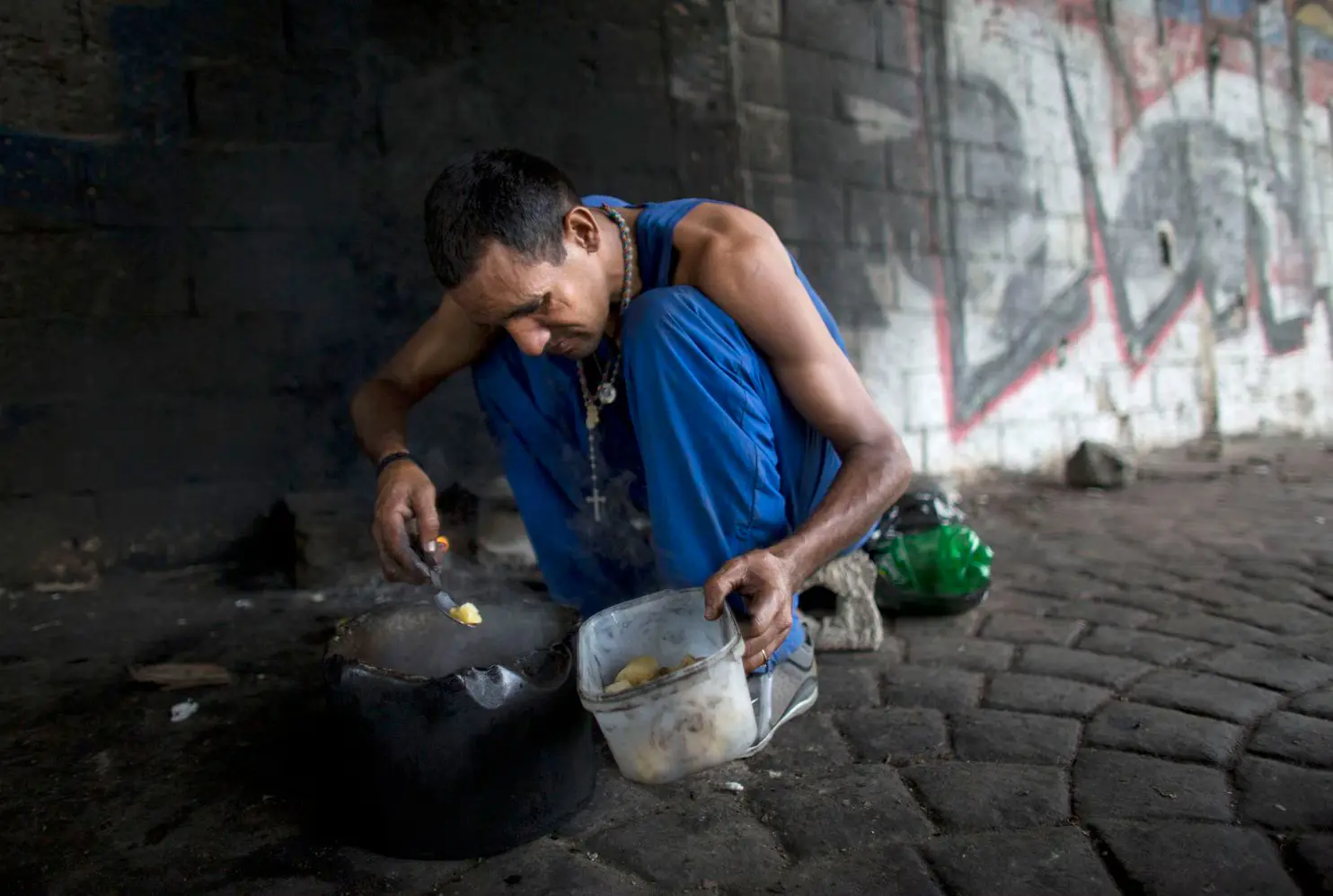
They are crucial nodes in domestic and international drug trafficking routes, not just random locations.
This network influences the homicide rates significantly, as noted by Samira Bueno, a key coordinator of the Atlas.
Since 2017, a similar pattern has persisted, with 2.2% to 2.9% of municipalities consistently registering half of the nation’s homicides.
By 2022, homicides spread to 4,022 municipalities, showing a slight, potential decentralization of crime.
The Heart of Homicides: Unraveling Brazil’s Crime Hotspots in 2022
The criminal landscape has evolved dramatically over the last two decades.
Deadly violence has expanded from major cities to remote areas, following the rise of groups like the First Command of the Capital and Red Command.
These groups have not only escalated violence but also exacerbated environmental crimes and security threats in previously calm regions.
This surge in homicides highlights the urgent need for targeted policies in key municipalities to effectively reduce violence.
Such policies need to be as dynamic and adaptive as the criminal networks they aim to dismantle.
This article was produced by The Rio Times’ automated newsroom system. How we use AI · Report an error
Read More from The Rio Times