The Face Computer Revolution: From Clunky Prototypes to Sleek Reality
In the 1960s, a team led by Woodrow W. Bledsoe embarked on an ambitious project to teach computers to recognize human faces. Their rudimentary scanner mapped facial features, but success proved elusive.
Fast forward to 2024, and face computers have evolved dramatically. Apple’s Vision Pro represents the cutting edge of this technology, building on decades of innovation.
The journey began with pioneers like Steve Mann, who invented digital glasses in 1984. His EyeTap device could enhance text and reveal heat signatures, laying the groundwork for future augmented reality glasses.
Early attempts at wearable computers faced significant challenges. The Xybernaut Poma, introduced in 2002, ran Windows CE 3.0 but struggled with a short battery life and clunky interface.
Google Glass, launched in 2013, marked a significant milestone in consumer-oriented smart glasses. Despite initial excitement, privacy concerns and high costs led to its discontinuation for consumers in 2015.
Snap Inc. entered the market with Spectacles in 2016. The latest version, Spectacles 4, features AR capabilities and dual 3D waveguide displays, showcasing the rapid advancement in this field.
Ray-Ban Meta smart glasses, a collaboration between Meta and EssilorLuxottica, offer a stylish blend of classic design and modern technology. Priced at $299, they include features like a 12 MP camera and Meta AI integration.
The Future of Face Computers
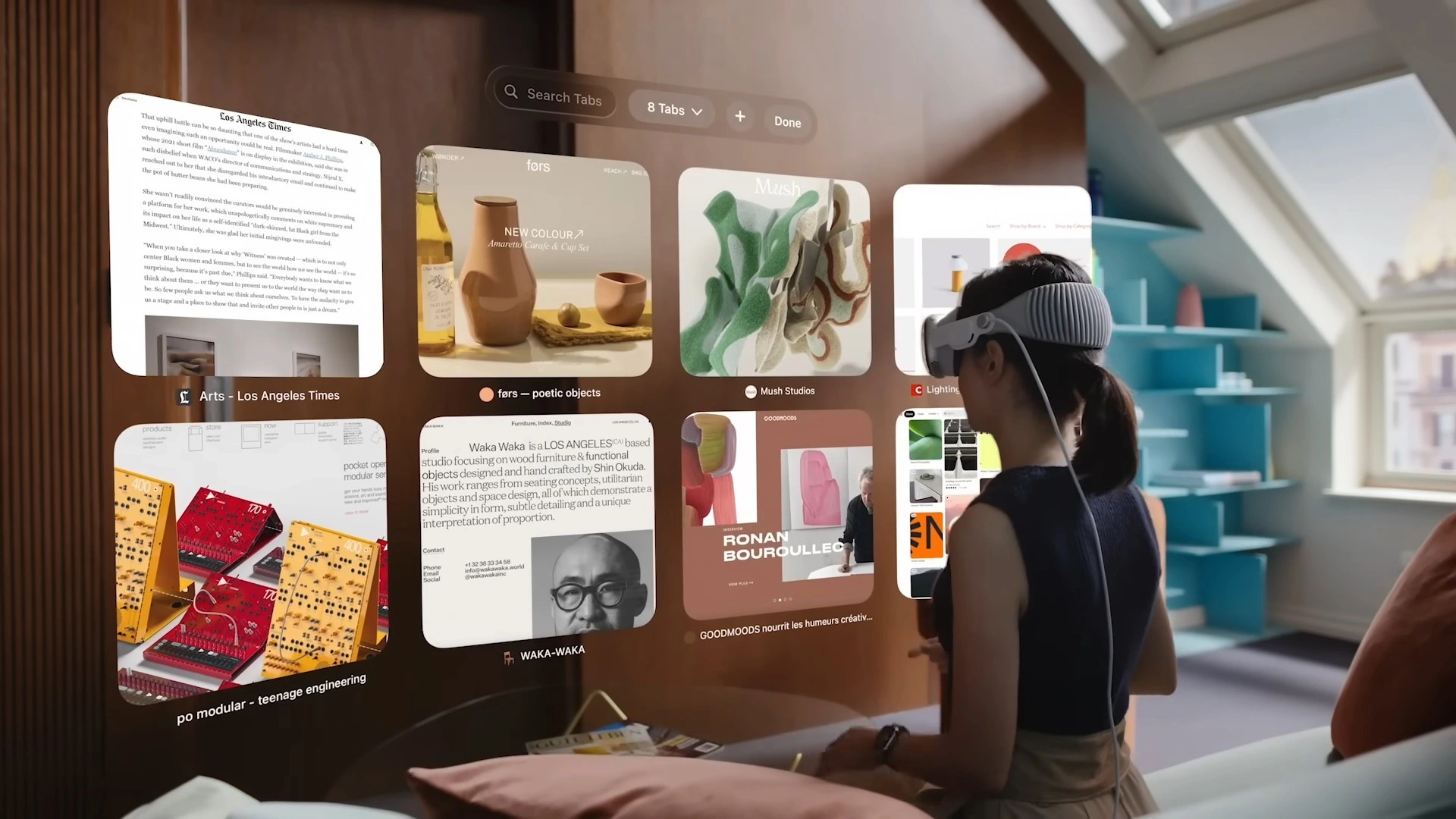
Apple’s Vision Pro represents the current pinnacle of face computer technology. It combines advanced AR capabilities with sophisticated facial recognition, offering immersive experiences and a platform for innovative applications.
The evolution of face computers reflects broader trends in wearable technology. From calculator watches in the 1970s to fitness trackers in the 2000s, these devices have become increasingly integrated into our daily lives.
Looking ahead, energy harvesting technology could extend battery life by converting body heat or movement into power.
Smart contact lenses and brain-computer interfaces are also on the horizon, promising even more seamless integration of technology and human experience.
As face computers continue to evolve, they raise important questions about privacy, social interaction, and the nature of human-computer interfaces.
The technology’s potential to transform industries from healthcare to education is immense, but so are the challenges it presents.
The journey from Bledsoe’s early experiments to today’s sophisticated devices illustrates the rapid pace of technological advancement.
As face computers become more prevalent, their impact on society will undoubtedly be profound and far-reaching.
This article was produced by The Rio Times’ automated newsroom system. How we use AI · Report an error
Read More from The Rio Times